
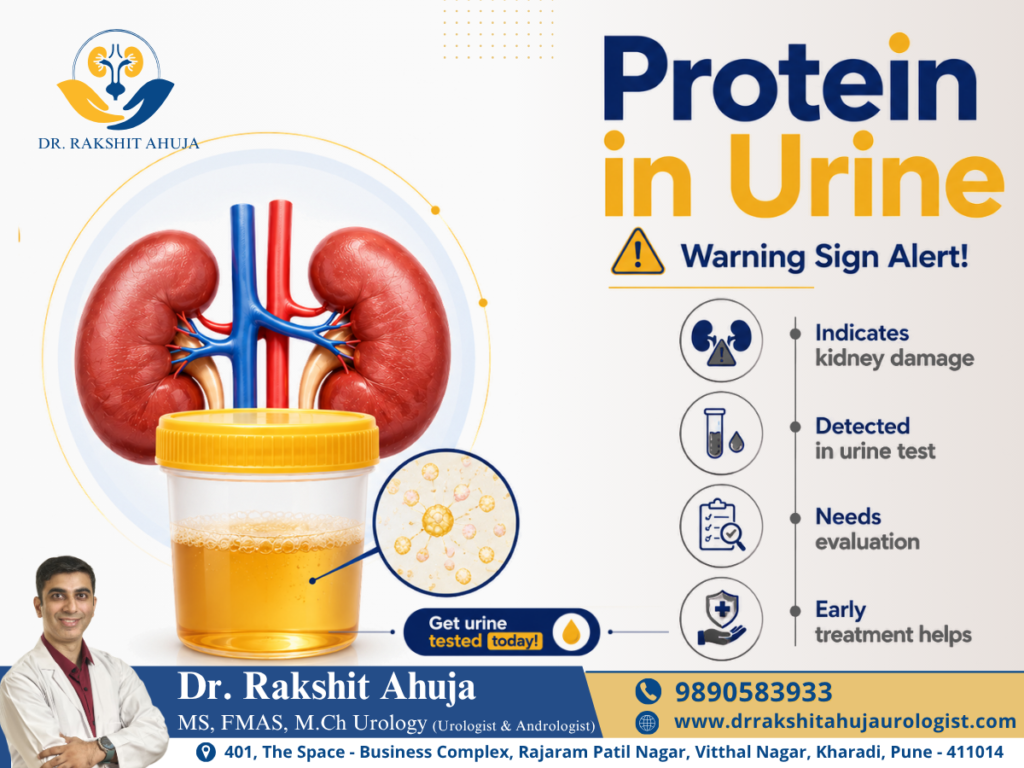
Finding protein in urine (proteinuria) can be concerning, but it is an important health indicator that should never be overlooked. While small amounts of protein may occasionally appear in urine due to temporary factors such as dehydration or strenuous exercise, persistent protein in urine can indicate underlying kidney problems, urinary tract infections (UTIs), or other medical conditions that require prompt attention.
At Dr. Rakshit Ahuja, UTI Treatment in Pune, patients are often educated about the significance of early diagnosis and treatment of urinary and kidney-related conditions. Understanding the causes, symptoms, and treatment options for proteinuria can help prevent long-term complications and protect kidney health.
What is Protein in Urine?
Healthy kidneys act as natural filters, removing waste products and excess fluids from the blood while retaining essential substances such as proteins. When the kidneys become damaged or inflamed, protein can leak into the urine.
This condition is known as proteinuria, and it may be detected during a routine urine examination or while investigating symptoms related to urinary tract infections or kidney disorders.
According to Dr. Rakshit Ahuja, UTI Treatment in Pune, proteinuria is not a disease itself but a sign that something may be affecting kidney function or urinary tract health.
Why Does Protein Appear in Urine?
Protein in urine can occur for various reasons. Some causes are temporary and harmless, while others may require medical intervention.
Temporary Causes
Temporary proteinuria may occur due to:
- Dehydration
- Fever
- Intense physical exercise
- Emotional stress
- Exposure to extreme temperatures
In such cases, protein levels usually return to normal once the underlying condition resolves.
Medical Causes
Persistent proteinuria may be associated with:
- Urinary Tract Infections (UTIs)
- Kidney infections
- Chronic kidney disease
- Diabetes
- High blood pressure
- Glomerulonephritis
- Kidney stones
- Autoimmune diseases
- Nephrotic syndrome
For patients seeking UTI Treatment in Pune, protein detected during urine testing often prompts further evaluation to identify the exact cause.
Can Urinary Tract Infections Cause Protein in Urine?
Yes, urinary tract infections can sometimes lead to protein appearing in the urine. During an infection, inflammation within the urinary system may allow proteins to pass into the urine.
Common symptoms of a UTI include:
- Burning sensation while urinating
- Frequent urge to urinate
- Pain or discomfort in the lower abdomen
- Cloudy or foul-smelling urine
- Fever and chills in severe infections
- Blood in urine
If a urinary infection is left untreated, it may spread to the kidneys and cause more serious complications.
At Dr. Rakshit Ahuja, UTI Treatment in Pune, early diagnosis and treatment help prevent recurrent infections and reduce the risk of kidney damage.
Symptoms Associated with Proteinuria
Proteinuria itself may not always cause noticeable symptoms, especially in the early stages. However, as kidney damage progresses, individuals may experience:
Swelling (Edema)
Fluid retention may cause swelling in the feet, ankles, legs, hands, or face.
Foamy Urine
Excess protein can make urine appear unusually foamy or bubbly.
Fatigue
Reduced kidney function may lead to persistent tiredness and weakness.
Frequent Urination
Changes in urination patterns can occur depending on the underlying cause.
Elevated Blood Pressure
Kidney disease and hypertension often occur together.
If you notice any of these symptoms, consulting a specialist is essential for proper evaluation.
How is Protein in Urine Diagnosed?
Diagnosing proteinuria involves identifying both the presence of protein and its underlying cause.
Common investigations include:
Urine Routine Examination
This is often the first test that detects protein in urine.
Urine Culture
Used to identify bacterial infections causing urinary symptoms.
Urine Protein Quantification
Measures the exact amount of protein being lost through urine.
Blood Tests
Evaluate kidney function, blood sugar levels, and overall health.
Ultrasound of Kidneys and Urinary Tract
Helps detect kidney stones, structural abnormalities, or infections.
Additional Kidney Evaluation
Further testing may be recommended if chronic kidney disease is suspected.
At Dr. Rakshit Ahuja, UTI Treatment in Pune, a personalized diagnostic approach helps identify the root cause and guide effective treatment.
Treatment for Protein in Urine
Treatment depends entirely on the underlying condition causing proteinuria.
Managing Urinary Tract Infections
If a UTI is responsible, treatment may include:
- Appropriate antibiotics
- Increased fluid intake
- Lifestyle modifications
- Prevention strategies for recurrent infections
Controlling Diabetes and Blood Pressure
Patients with diabetes or hypertension require strict control of these conditions to protect kidney function.
Treating Kidney Disorders
Specific kidney diseases may require medications, dietary modifications, and regular monitoring by a specialist.
Lifestyle Changes
Healthy habits play a major role in preventing kidney damage:
- Drink adequate water
- Follow a balanced diet
- Limit excess salt intake
- Maintain healthy body weight
- Avoid smoking
- Exercise regularly
- Attend routine health check-ups
When Should You See a Urologist?
Many people ignore urinary symptoms until complications develop. You should seek medical attention if you experience:
- Recurrent UTIs
- Persistent protein in urine
- Blood in urine
- Pain while urinating
- Frequent urination
- Kidney stone symptoms
- Swelling in the body
- Unexplained fatigue
Early intervention can prevent long-term kidney damage and improve treatment outcomes.
Conclusion
Protein in urine is an important warning sign that should never be ignored. While it may sometimes result from temporary conditions, persistent proteinuria can indicate urinary tract infections, kidney disease, diabetes, or other serious health concerns. Early diagnosis and appropriate treatment are essential for preserving kidney function and preventing complications.
If you have been diagnosed with protein in urine or are experiencing symptoms of a urinary tract infection, consult Dr. Rakshit Ahuja, UTI Treatment in Pune, for expert evaluation and personalized care. Timely treatment can make a significant difference in protecting your urinary and kidney health.