Dr. Rakshit Ahuja

Kidney Specialist in Pune

If you’re experiencing kidney-related issues such as pain, stones, infections, or urinary problems, it’s time to consult an expert. Dr. Rakshit Ahuja, a renowned Kidney Specialist in Pune, offers advanced and personalized care for all types of kidney and urological conditions. With years of experience, he is known as a trusted Urologist in Pune, providing effective solutions for kidney stones, prostate health, and urinary tract infections. His approach combines clinical expertise with compassionate care to ensure accurate diagnosis and lasting relief. Whether you need preventive care, diagnostic evaluation, or advanced Kidney Treatment in Pune, Dr. Ahuja’s clinic is equipped with the latest technology and a patient-focused environment. Take control of your kidney health today with the guidance of a specialist who truly understands your needs.

Select an element to maximize. Press ESC to cancel.

Kidney Specialist in Pune

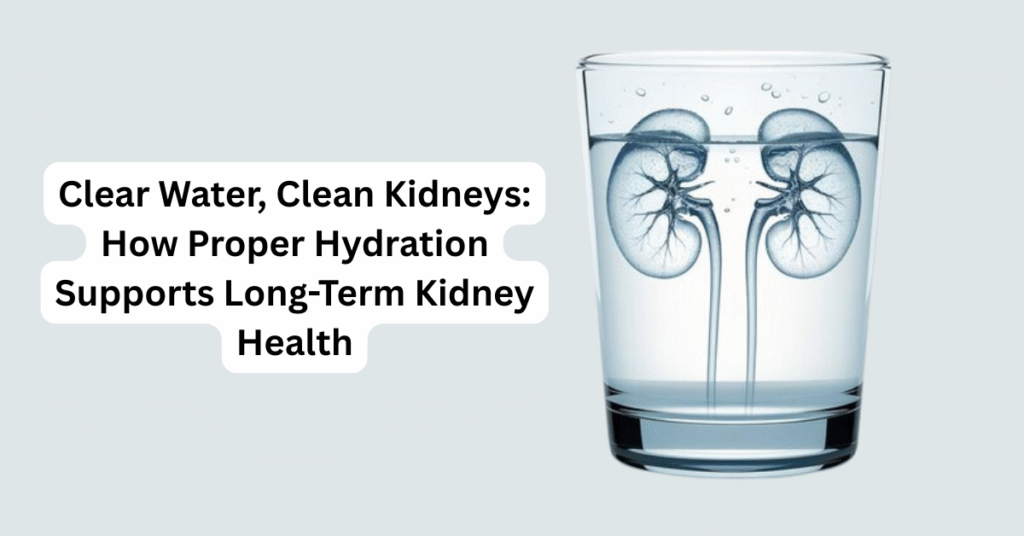
Clear Water, Clean Kidneys: How Proper Hydration Supports Long-Term Kidney Health

Water is often referred to as the elixir of life—and for good reason. Every cell, tissue, and organ in your body needs water to function optimally. But when it comes to kidney health, hydration plays a particularly vital role. Your kidneys are your body’s natural filtration system, removing waste, toxins, and excess fluids. Staying properly hydrated ensures that these functions are carried out smoothly and efficiently. As a Kidney Specialist in Pune, I often see how simple lifestyle changes—like drinking enough water—can have a significant impact on kidney health. Let’s explore why hydration is essential, how much water you really need, and how it can protect you from serious kidney conditions such as kidney stones and even kidney cancer. Why Your Kidneys Need Water to Thrive The kidneys filter about 50 gallons of blood every single day. This filtration process removes waste, regulates electrolytes, balances fluids, and produces urine. Without sufficient water intake, this process becomes less efficient, leading to a buildup of waste and toxins in your body. When you’re dehydrated, your urine becomes concentrated, making it more difficult for your kidneys to flush out harmful substances. Over time, this can increase your risk of developing kidney stones and other complications. Adequate hydration ensures that your kidneys are constantly flushed, reducing the burden on them and enhancing their ability to perform optimally. Dehydration and Its Long-Term Impact on Kidney Health Chronic dehydration doesn’t just make you feel sluggish—it can lead to long-term kidney issues. When your body is consistently low on fluids, it can trigger: Kidney Stone Formation: Concentrated urine increases the risk of mineral crystals forming stones. At our clinic, we offer advanced Kidney Stone Treatment in Pune, but prevention through hydration is always better than cure. Urinary Tract Infections (UTIs): Insufficient water intake can lead to infrequent urination, which allows bacteria to flourish in the urinary tract. Decline in Kidney Function: Over time, persistent dehydration can lead to acute kidney injury or chronic kidney disease. Increased Risk of Kidney Cancer: Studies suggest that chronic dehydration and resulting damage to kidney cells may be linked to an increased risk of kidney cancer. As an experienced Urology Doctor in Pune, I emphasize the importance of water intake as a preventive tool against these avoidable kidney issues. How Much Water Is Enough? There is no one-size-fits-all answer when it comes to hydration. Several factors such as age, climate, activity level, and existing health conditions influence how much water you need. As a general guideline: Adult men should aim for about 3.7 liters (15.5 cups) of fluids per day. Adult women should aim for 2.7 liters (11.5 cups) of fluids per day. This includes fluids from water, beverages, and food. However, if you live in a hot climate like Pune, or if you’re physically active, you may need more to compensate for the fluid lost through sweat. Signs You’re Not Drinking Enough Water Watch out for these signs of dehydration: Dark yellow or amber-colored urine Infrequent urination Dry mouth and lips Fatigue Headaches Dizziness or lightheadedness If you experience any of these symptoms frequently, consider increasing your water intake and consult a Kidney Specialist in Pune if the symptoms persist. Tips for Staying Hydrated Staying well-hydrated doesn’t have to be a challenge. Here are a few simple strategies: Start Your Day with Water: Drink a glass of water as soon as you wake up. Keep a Reusable Water Bottle: Having water readily available makes it easier to sip throughout the day. Eat Water-Rich Foods: Incorporate fruits and vegetables like cucumbers, oranges, and watermelon into your diet. Flavor It Naturally: Add slices of lemon, cucumber, or mint to make plain water more enjoyable. Set Reminders: Use phone apps or alarms to remind yourself to drink water at regular intervals. As a Urologist in Pune, I often advise patients recovering from kidney stone treatment or undergoing Kidney Cancer Treatment in Pune to closely monitor their fluid intake to support recovery and reduce recurrence risk. Special Considerations: Kidney Stones and Hydration If you’ve ever had a kidney stone, you know how painful it can be. One of the most effective ways to prevent future stones is to stay hydrated. When you drink enough water, your urine remains diluted, reducing the concentration of minerals that form stones. At our clinic, we offer comprehensive Kidney Stone Treatment in Pune using advanced diagnostic and surgical techniques. However, post-treatment hydration remains key to preventing recurrence. If you’ve had stones before, I recommend increasing your fluid intake to produce at least 2.5 liters of urine daily. Hydration and Kidney Cancer Prevention Research suggests that increased water intake may be associated with a reduced risk of kidney cancer. Hydration helps flush out potential carcinogens from the urinary tract and supports the health of kidney cells. While there’s no guaranteed way to prevent kidney cancer, drinking plenty of water is a simple and effective habit that contributes to overall kidney wellness. Patients undergoing Kidney Cancer Treatment in Pune should also be mindful of hydration, as it helps manage side effects and supports healing during and after treatment. When to See a Kidney Specialist If you’re experiencing symptoms like frequent UTIs, blood in urine, lower back pain, or difficulty urinating, it’s important not to ignore them. Consulting a Urology Doctor in Pune early can help detect potential issues before they become severe. As a dedicated Kidney Specialist in Pune, I provide personalized care for a wide range of kidney and urological conditions. From Kidney Stone Treatment in Pune to advanced Kidney Cancer Treatment in Pune, our clinic is equipped with the latest tools and techniques to support your kidney health. Final Thoughts: Sip Your Way to Healthier Kidneys Proper hydration is one of the simplest yet most powerful ways to maintain kidney health. Whether you’re looking to prevent kidney stones, support existing kidney conditions, or simply take better care of your body, drinking enough water should be your first step. Remember, clear water often means clean kidneys. Prioritize hydration every day—it’s

Clear Water, Clean Kidneys: How Proper Hydration Supports Long-Term Kidney Health Read More »

Kidney Treatment in Pune

The Kidney-Bone Connection: A Hidden Secret to Bone Strength

When we think of our kidneys, we often associate them with filtering waste and regulating fluids. But did you know that your kidneys also play a crucial role in maintaining strong and healthy bones? While bones and kidneys may seem like distant systems in the body, their connection is deeper and more important than most people realize. As a dedicated Urologist in Pune and experienced Kidney Specialist in Pune, I often come across patients who are unaware that kidney health directly affects bone strength. Let’s explore this fascinating connection and why maintaining kidney health is essential for your skeletal system. How Do Kidneys Support Bone Health? Your kidneys do more than just remove toxins from your blood. They also regulate several vital substances that directly impact your bone health: 1. Regulation of Calcium and Phosphorus Calcium and phosphorus are two key minerals that make up the majority of your bone structure. Your kidneys help maintain the right balance of these minerals in the bloodstream. If the kidneys aren’t functioning properly, phosphorus levels can rise, and calcium can drop, leading to weakened bones. 2. Activation of Vitamin D Vitamin D is essential for calcium absorption in the intestines. However, the vitamin D that we get from food or sunlight is in an inactive form. Our kidneys convert this into its active form (calcitriol), which allows the body to use calcium effectively. Without this function, no matter how much calcium you consume, your body won’t absorb it efficiently. 3. Hormone Regulation (PTH) Parathyroid hormone (PTH) is responsible for regulating calcium and phosphorus levels. In cases of kidney dysfunction, calcium levels drop, causing PTH to increase. Elevated PTH levels can lead to calcium being leached from bones, resulting in conditions like osteoporosis. The Consequences of Poor Kidney Health on Bones When the kidneys are damaged or underperforming, it doesn’t take long for the bones to feel the impact. Here are a few conditions that can arise: 1. Renal Osteodystrophy This is a bone disease that occurs when kidneys fail to maintain the right levels of calcium and phosphorus. It is common in patients with chronic kidney disease (CKD). Bones become thin, weak, and prone to fractures. 2. Osteoporosis A chronic lack of activated vitamin D and the imbalance of calcium/phosphorus can contribute to the development of osteoporosis, making bones brittle and fragile. 3. Bone Pain and Fractures Patients with advanced kidney disease often complain of bone or joint pain. Without timely Kidney Treatment in Pune, these symptoms can worsen, affecting mobility and quality of life. Who Is at Risk? While anyone can experience bone issues due to poor kidney function, the following groups are at higher risk: Patients with chronic kidney disease (CKD) Diabetics Individuals with high blood pressure People on long-term dialysis Elderly individuals with a history of kidney issues Early Warning Signs to Watch For Maintaining strong bones starts with recognizing the signs of declining kidney health. Some of the common symptoms include: Muscle cramps Bone or joint pain Fatigue Weakness Increased frequency of fractures If you experience these symptoms, it’s essential to consult a Kidney Specialist in Pune for a comprehensive evaluation. How to Protect Both Your Kidneys and Bones Prevention is always better than cure. Here are a few effective steps you can take: 1. Stay Hydrated Drink adequate water to help your kidneys flush out toxins. Dehydration can stress the kidneys and increase the risk of stone formation. 2. Maintain a Balanced Diet Eat foods rich in calcium and vitamin D, such as dairy, leafy greens, and fortified cereals. Avoid excessive consumption of phosphorus-rich processed foods and colas. 3. Limit Salt and Protein Intake A high-sodium or high-protein diet can strain the kidneys. Moderation is key. 4. Exercise Regularly Weight-bearing activities like walking and strength training help strengthen bones and improve overall kidney function. 5. Monitor Your Health Regularly check your blood pressure, blood sugar, and kidney function. Early detection can make a huge difference. 6. Consult a Specialist If you’re at risk or already have kidney issues, regular follow-ups with a Urologist in Pune can help manage your condition effectively and prevent complications like bone disease. Expert Care Makes All the Difference As a Kidney Specialist in Pune, I have seen firsthand how kidney issues can silently impact bone health if not addressed in time. At my clinic, I offer a patient-centric approach that includes comprehensive screening, personalized treatment plans, and preventive care to ensure your kidneys—and your bones—stay strong and healthy. Whether you need Kidney Treatment in Pune, prostate care, or simply want to assess your urinary health, timely intervention can help you lead a better life with fewer complications. Remember, your kidneys and bones are more connected than you think. Conclusion The next time you think about bone health, don’t forget about your kidneys. The kidney-bone connection is a crucial, yet often overlooked, factor in maintaining overall health and vitality. Taking care of your kidneys isn’t just about avoiding dialysis or kidney stones—it’s about ensuring your bones stay resilient and strong for years to come. If you or a loved one is concerned about kidney or bone health, don’t hesitate to reach out. Early diagnosis and proper care can go a long way. Book an appointment with Dr. Rakshit Ahuja – Leading Urologist and Kidney Specialist in Pune Personalized care for kidney stones, prostate issues, and bone-related kidney conditions. Stay strong. Stay healthy. Take care of your kidneys—and your bones will thank you. 📞 Call : 98905 83933 🌐 Visit Our Website: www.drrakshitahujaurologist.com Select an element to maximize. Press ESC to cancel. Select an element to maximize. Press ESC to cancel. Select an element to maximize. Press ESC to cancel.

The Kidney-Bone Connection: A Hidden Secret to Bone Strength Read More »