Dr. Rakshit Ahuja

Kidney Treatment in Pune

If you’re experiencing kidney-related issues such as pain, stones, infections, or urinary problems, it’s time to consult an expert. Dr. Rakshit Ahuja, a renowned Kidney Specialist in Pune, offers advanced and personalized care for all types of kidney and urological conditions. With years of experience, he is known as a trusted Urologist in Pune, providing effective solutions for kidney stones, prostate health, and urinary tract infections. His approach combines clinical expertise with compassionate care to ensure accurate diagnosis and lasting relief. Whether you need preventive care, diagnostic evaluation, or advanced Kidney Treatment in Pune, Dr. Ahuja’s clinic is equipped with the latest technology and a patient-focused environment. Take control of your kidney health today with the guidance of a specialist who truly understands your needs.

Select an element to maximize. Press ESC to cancel.
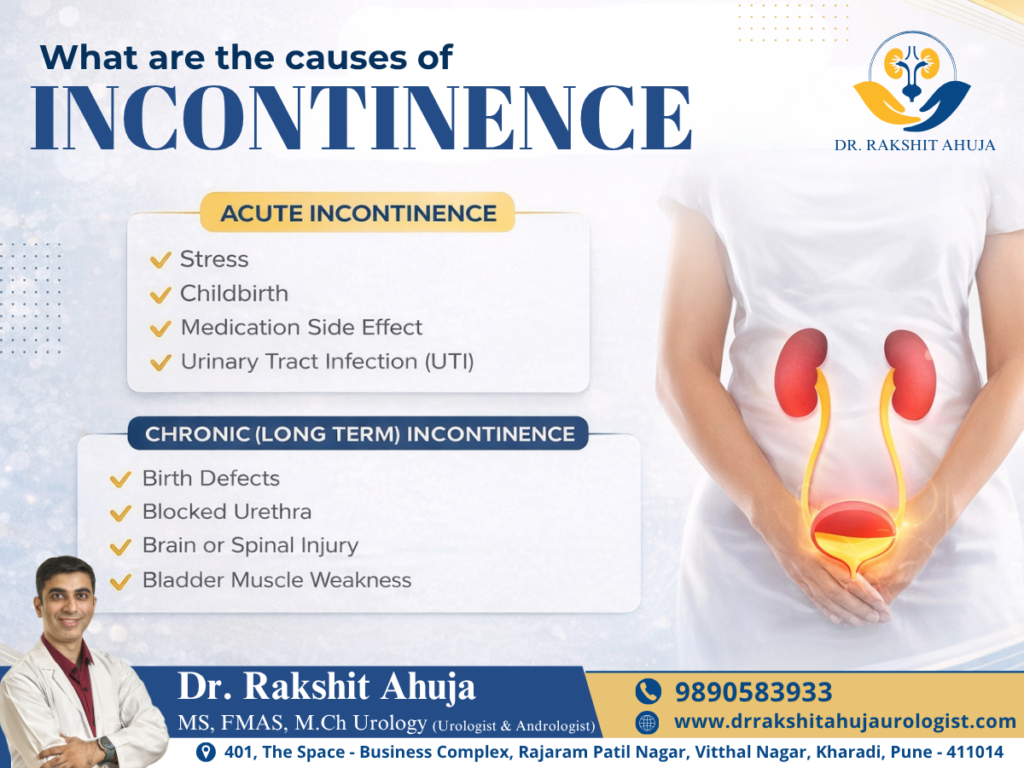
Causes of urinary incontinence showing acute and chronic factors with bladder illustration by Dr. Rakshit Ahuja, Urologist in Pune.

What Are the Causes of Incontinence? A Complete Guide by Dr. Rakshit Ahuja, Urologist in Pune

Urinary incontinence is a common yet often misunderstood condition that affects people of all ages. It refers to the loss of bladder control, leading to accidental leakage of urine. While many individuals feel embarrassed to discuss it, incontinence is a medical condition that can be effectively treated with proper care and guidance. In this blog, Dr. Rakshit Ahuja, Urologist in Pune, explains the major causes of incontinence, helping you understand when to seek expert help and how timely treatment can improve your quality of life. What Is Urinary Incontinence? Urinary incontinence occurs when you lose control over your bladder. It may range from occasional leakage while coughing or sneezing to a sudden, uncontrollable urge to urinate. There are different types of incontinence, including: Stress incontinence Urge incontinence Overflow incontinence Functional incontinence Identifying the underlying cause is the first step toward effective treatment. If you are looking for expert UTI treatment in Pune or advanced bladder care, consulting a specialist is essential. Causes of Acute (Temporary) Incontinence Acute incontinence is usually short-term and often reversible once the underlying issue is treated. 1. Stress Physical stress on the bladder can cause leakage, especially during activities like coughing, laughing, sneezing, or lifting heavy objects. This is more common in women due to weakened pelvic floor muscles. 2. Childbirth Pregnancy and vaginal delivery can stretch and weaken the pelvic floor muscles and nerves that control the bladder. This can lead to temporary or sometimes long-term incontinence. 3. Medication Side Effects Certain medications such as diuretics, sedatives, or blood pressure drugs can affect bladder function. They may increase urine production or interfere with bladder control, leading to temporary leakage. 4. Urinary Tract Infection (UTI) A Urinary Tract Infection (UTI) is one of the most common causes of sudden incontinence. It can irritate the bladder, causing a strong urge to urinate and sometimes leakage before reaching the toilet. If you experience burning sensation, frequent urination, or discomfort, seeking timely UTI treatment in Pune from Dr. Rakshit Ahuja, Urologist in Pune can help prevent complications. Causes of Chronic (Long-Term) Incontinence Chronic incontinence develops over time and may require long-term management or treatment. 1. Birth Defects Certain congenital conditions can affect the structure or function of the urinary system, leading to lifelong bladder control issues. 2. Blocked Urethra A blockage in the urethra, such as kidney stones or an enlarged prostate in men, can prevent normal urine flow. This may result in overflow incontinence, where the bladder cannot empty completely. 3. Brain or Spinal Injury The brain and spinal cord play a crucial role in bladder control. Any injury or neurological condition such as stroke, Parkinson’s disease, or spinal cord injury can disrupt signals between the brain and bladder, leading to incontinence. 4. Bladder Muscle Weakness As we age, the bladder muscles may weaken, reducing their ability to hold urine effectively. This can lead to frequent leakage and urgency. Risk Factors for Incontinence Certain factors increase the likelihood of developing urinary incontinence: Aging Obesity Chronic cough Smoking Diabetes Hormonal changes (especially in women) Understanding these risk factors can help in early detection and prevention. When Should You See a Urologist? You should not ignore symptoms of incontinence, especially if they: Occur frequently Affect your daily activities Cause embarrassment or discomfort Are associated with pain or burning sensation Early diagnosis can prevent the condition from worsening. Consulting Dr. Rakshit Ahuja, Urologist in Pune ensures accurate evaluation and personalized treatment. Diagnosis and Treatment Options The treatment of incontinence depends on its cause and severity. A urologist may recommend: Diagnosis: Urine tests Ultrasound Bladder function tests Physical examination Treatment Options: Lifestyle modifications Pelvic floor exercises (Kegel exercises) Medications Bladder training Minimally invasive procedures or surgery (if required) For patients dealing with infections, expert UTI treatment in Pune is crucial to eliminate the root cause and restore bladder health. Tips to Prevent Incontinence While not all cases can be prevented, certain lifestyle changes can reduce the risk: Maintain a healthy weight Practice pelvic floor exercises regularly Stay hydrated but avoid excessive caffeine Quit smoking Treat UTIs promptly Follow a balanced diet These small steps can make a significant difference in maintaining bladder control. Why Choose Dr. Rakshit Ahuja? When it comes to urological health, choosing the right specialist is key. Dr. Rakshit Ahuja, Urologist in Pune, is known for providing comprehensive care with a patient-focused approach. Whether you are dealing with urinary incontinence, kidney stones, or need reliable UTI treatment in Pune, you can expect: Accurate diagnosis Advanced treatment options Personalized care plans Compassionate support Conclusion Urinary incontinence is a manageable condition, and understanding its causes is the first step toward recovery. Whether it is temporary due to a UTI or a chronic issue requiring long-term care, timely intervention can significantly improve your quality of life. If you are experiencing symptoms of incontinence, do not hesitate to consult Dr. Rakshit Ahuja, Urologist in Pune. With the right guidance and treatment, you can regain control and confidence in your daily life.

What Are the Causes of Incontinence? A Complete Guide by Dr. Rakshit Ahuja, Urologist in Pune Read More »

Tips For Bladder Health By- Urologist In Pune

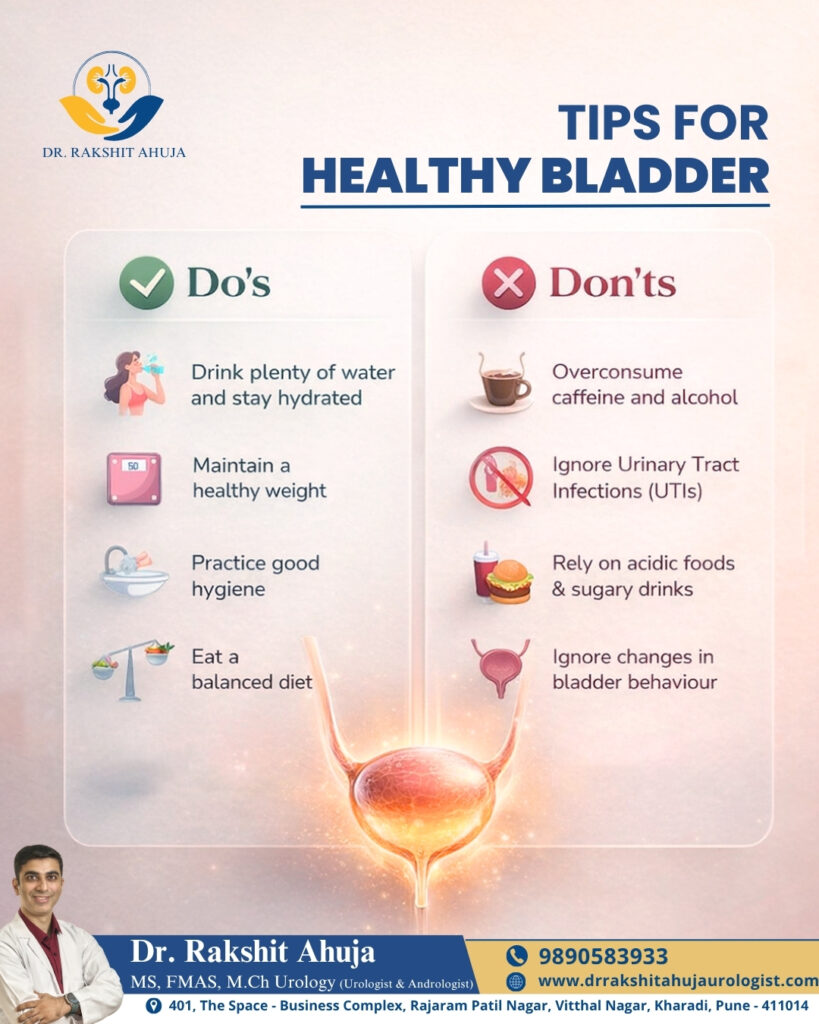
Tips for a Healthy Bladder: Expert Advice from a Urologist in Pune

Maintaining a healthy bladder is an essential part of overall urinary health. Many people ignore bladder health until symptoms such as frequent urination, burning sensation, urinary infections, or pain start affecting their daily lives. However, adopting simple lifestyle habits can significantly reduce the risk of urinary problems, kidney stones, infections, and even serious conditions like bladder or prostate cancer. If you are experiencing urinary issues, consulting a specialist is important. Dr. Rakshit Ahuja, Urologist in Pune, Kidney Specialist & Prostate Treatment, provides advanced care for urinary and kidney disorders including UTI Treatment in Pune, Kidney Stone Treatment in Pune, Bladder Cancer Treatment in Pune, and Prostate Cancer Treatment in Pune. Below are some essential tips to keep your bladder healthy and functioning properly. Why Bladder Health is Important The bladder plays a crucial role in the urinary system. It stores urine produced by the kidneys and releases it from the body. When the bladder is not functioning properly, it can lead to several health problems such as: Urinary Tract Infections (UTIs) Kidney stones Urinary incontinence Bladder inflammation Bladder cancer Prostate-related urinary issues in men Maintaining bladder health helps prevent these conditions and improves overall quality of life. Healthy Bladder Habits You Should Follow 1. Drink Plenty of Water Most adults should drink around 2–3 liters of water daily, depending on their activity level and climate. Adequate hydration also reduces the risk of kidney stone formation. Patients seeking Kidney Stone Treatment in Pune are often advised to increase their water intake as part of prevention and recovery. 2. Maintain a Healthy Weight Excess weight can put pressure on the bladder and pelvic muscles, leading to urinary leakage or frequent urination. Maintaining a healthy body weight through regular exercise and a balanced diet can help reduce the risk of bladder issues and improve urinary control. 3. Practice Good Personal Hygiene Good hygiene habits are essential for preventing urinary tract infections. Simple steps include: Washing the genital area regularly Urinating after sexual activity Wearing breathable cotton underwear Avoiding harsh chemical products in the genital area If symptoms like burning during urination, frequent urination, or cloudy urine appear, it may indicate an infection. Early consultation for UTI Treatment in Pune can prevent complications. 4. Eat a Balanced and Healthy Diet Your diet plays an important role in urinary health. A balanced diet rich in fruits, vegetables, whole grains, and fiber supports kidney and bladder function. Foods that help maintain urinary health include: Water-rich fruits such as watermelon and cucumber Fiber-rich foods that prevent constipation Antioxidant-rich fruits and vegetables A healthy diet also reduces the risk of kidney stones and urinary infections. Habits That Can Harm Your Bladder Just as some habits support bladder health, others can increase the risk of urinary problems. 1. Excessive Caffeine and Alcohol Caffeine and alcohol act as bladder irritants and diuretics. Consuming them in large quantities can cause: Frequent urination Bladder irritation Increased urgency Limiting coffee, tea, carbonated drinks, and alcohol can improve bladder function. 2. Ignoring Urinary Tract Infections UTIs are common but should never be ignored. Untreated infections can spread to the kidneys and cause severe complications. Symptoms may include: Burning sensation during urination Frequent urge to urinate Pelvic pain Cloudy or strong-smelling urine Early diagnosis and proper UTI Treatment in Pune from an experienced specialist can help avoid serious health risks. 3. Too Many Sugary or Acidic Foods Sugary drinks, processed foods, and acidic items can irritate the bladder lining and increase urinary discomfort. Reducing soda, sugary beverages, and highly processed foods can improve bladder health and overall wellness. 4. Ignoring Changes in Urination Changes in bladder habits can sometimes indicate serious conditions such as bladder cancer or prostate problems. Warning signs include: Blood in urine Difficulty urinating Frequent urination at night Pain during urination If you notice any of these symptoms, it is important to consult a specialist immediately. Dr. Rakshit Ahuja, Urologist in Pune, Kidney Specialist & Prostate Treatment, provides advanced evaluation and treatment for urinary disorders including Bladder Cancer Treatment in Pune and Prostate Cancer Treatment in Pune. Advanced Urology Care in Pune Modern urology treatments offer highly effective solutions for urinary and kidney problems. Some of the advanced treatments available include: Minimally invasive kidney stone removal Laser treatment for prostate enlargement Advanced management of urinary tract infections Early detection and treatment of bladder cancer Prostate cancer diagnosis and treatment If you are searching for a trusted Kidney Specialist in Pune, expert care and early treatment can significantly improve outcomes and prevent complications. When Should You Visit a Urologist? You should consult a urologist if you experience: Frequent urinary infections Kidney stone symptoms Blood in urine Difficulty urinating Persistent pelvic pain Sudden changes in bladder habits Early diagnosis allows timely treatment and prevents serious complications. Expert Urology Care by Dr. Rakshit Ahuja For comprehensive urinary care, you can consult Dr. Rakshit Ahuja, Urologist in Pune, Kidney Specialist & Prostate Treatment, who specializes in the diagnosis and treatment of complex urological conditions. Services include: UTI Treatment in Pune Kidney Stone Treatment in Pune Bladder Cancer Treatment in Pune Prostate Cancer Treatment in Pune Advanced urology consultations and procedures With modern technology, personalized care, and extensive expertise, patients receive effective treatment and long-term relief. Conclusion Bladder health is an important part of overall well-being. By staying hydrated, maintaining good hygiene, eating a healthy diet, and avoiding bladder irritants, you can reduce the risk of urinary problems. However, if symptoms occur, early medical consultation is essential. Timely diagnosis and treatment can prevent complications and ensure better health outcomes. For expert care, consult Dr. Rakshit Ahuja, Urologist in Pune, Kidney Specialist & Prostate Treatment, a trusted name for UTI Treatment in Pune, Kidney Stone Treatment in Pune, Bladder Cancer Treatment in Pune, and Prostate Cancer Treatment in Pune. Taking care of your bladder today can protect your health for years to come.

Tips for a Healthy Bladder: Expert Advice from a Urologist in Pune Read More »

Kidney Stone Treatment in Pune

When Should You Visit a Urologist for Kidney Stones?

Kidney stones are one of the most common and painful urological conditions affecting people of all ages. While small stones may pass naturally with hydration and medication, larger or complicated stones require expert care. Knowing when to visit a Urologist In Pune can prevent severe pain, infection, and long-term kidney damage. If you are experiencing symptoms or have been diagnosed with kidney stones, consulting an experienced Urology Doctor at the right time can make a significant difference in your recovery. What Are Kidney Stones? Kidney stones are hard mineral and salt deposits that form inside the kidneys. They develop when urine becomes concentrated, allowing minerals like calcium, oxalate, and uric acid to crystallize and stick together. Some stones remain small and pass unnoticed. Others can grow larger and block the urinary tract, causing intense pain and complications that require specialized Kidney Stone Treatment . Common Symptoms of Kidney Stones Kidney stone symptoms can range from mild discomfort to severe, unbearable pain. You should not ignore the following warning signs: Sharp pain in the lower back or side Pain radiating to the lower abdomen or groin Burning sensation during urination Blood in urine (pink, red, or brown urine) Frequent urge to urinate Nausea and vomiting Fever and chills (may indicate infection) If you experience severe pain or symptoms that worsen, it is important to visit a Kidney Specialist In Pune immediately. When Should You See a Urologist for Kidney Stones? While mild symptoms can sometimes be managed with hydration and prescribed medications, certain situations require immediate medical attention. 1. Severe or Unbearable Pain Kidney stone pain is often described as one of the most intense pains a person can experience. If over-the-counter pain relievers do not help or the pain becomes unbearable, you should consult a Urologist without delay. Persistent pain may indicate that the stone is blocking the ureter (the tube connecting the kidney to the bladder), which needs medical intervention. 2. Blood in Urine If you notice blood in your urine, even in small amounts, do not ignore it. While kidney stones can cause bleeding due to irritation, blood in urine may also indicate other serious urinary conditions. A qualified Urology Doctor In Pune can diagnose the exact cause through proper evaluation. 3. Fever and Chills Fever combined with kidney stone symptoms can signal a urinary tract infection (UTI). This is a medical emergency because infection along with obstruction can spread to the bloodstream. In such cases, immediate Kidney Stone Treatment In Pune is crucial to prevent life-threatening complications. 4. Difficulty Passing Urine If you are unable to pass urine or experience significantly reduced urine output, the stone may be causing a blockage. Complete urinary obstruction can damage the kidney and requires urgent care from a Kidney Specialist In Pune. 5. Recurrent Kidney Stones If you have had kidney stones before, your risk of developing them again is higher. Recurrent stones indicate an underlying metabolic or dietary issue. A Urologist can perform detailed tests to identify the cause and recommend preventive strategies. 6. Stones Larger Than 5-6 mm Small stones (less than 5 mm) often pass naturally. However, larger stones usually require medical procedures such as: ESWL (Shockwave Lithotripsy) URS (Ureteroscopy) Laser stone removal PCNL (Percutaneous Nephrolithotomy) An experienced Urology Doctor In Pune can determine the most suitable treatment based on the size, location, and type of stone. Why Early Consultation Matters Many patients delay visiting a doctor, hoping the stone will pass on its own. However, untreated kidney stones can lead to: Kidney infections Permanent kidney damage Severe dehydration Recurrent urinary problems Early diagnosis ensures quicker relief, less invasive treatment, and better long-term kidney health. Seeking expert Kidney Stone Treatment In Pune at the right time reduces complications and hospital stays. Diagnosis and Evaluation When you visit a Kidney Specialist, the doctor may recommend: Ultrasound CT Scan Urine tests Blood tests Stone analysis (if passed) These investigations help identify the stone type and underlying causes, allowing personalized treatment planning. Prevention Tips After Treatment Even after successful treatment, lifestyle changes are essential to prevent recurrence: Drink 2.5–3 liters of water daily Reduce excess salt intake Limit oxalate-rich foods (spinach, nuts, chocolate) Maintain a balanced diet Avoid excessive protein consumption Follow prescribed medications regularly Regular follow-ups with a trusted Urologist In Pune help monitor kidney health and prevent future stone formation. When Is It an Emergency? Seek immediate medical care if you experience: High fever with stone pain Persistent vomiting Severe back pain that doesn’t improve Inability to urinate Symptoms of dehydration These signs require urgent evaluation by a skilled Urology Doctor to prevent serious complications. Conclusion Kidney stones can be extremely painful, but timely medical attention ensures safe and effective management. While some small stones may pass naturally, many cases require expert intervention. If you experience persistent pain, blood in urine, fever, or recurrent stones, do not delay seeking professional care. Consulting an experienced Kidney Specialist In Pune ensures accurate diagnosis and advanced Kidney Stone Treatment, helping you recover comfortably and prevent future complications. Your kidney health should never be ignored. Early consultation with a trusted Urologist In Pune, Dr. Rakshit Ahuja can protect your kidneys and restore your quality of life. Select an element to maximize. Press ESC to cancel. Select an element to maximize. Press ESC to cancel.

When Should You Visit a Urologist for Kidney Stones? Read More »

Urologist in Pune

How Diabetes and Hypertension Increase the Risk of Kidney Infection

Kidneys play a vital role in filtering waste, maintaining fluid balance, and regulating blood pressure in the body. However, chronic conditions like diabetes and hypertension (high blood pressure) can silently damage the kidneys over time, increasing the risk of serious complications such as kidney infections. As a leading Urologist in Pune, Dr. Rakshit Ahuja frequently treats patients who are unaware that their long-standing sugar or blood pressure issues are directly linked to kidney problems. Understanding how diabetes and hypertension affect kidney health is the first step toward prevention and early treatment. Understanding Kidney Infections A kidney infection, also known as pyelonephritis, is a type of urinary tract infection (UTI) that travels from the bladder up to the kidneys. It can cause symptoms like fever, back pain, burning urination, nausea, fatigue, and cloudy or foul-smelling urine. If left untreated, kidney infections can lead to permanent kidney damage or even life-threatening complications. People with diabetes and high blood pressure are at a significantly higher risk of developing kidney infections due to weakened kidney function and reduced immunity. How Diabetes Increases the Risk of Kidney Infection 1. High Blood Sugar Damages Kidney Filters Diabetes causes elevated blood sugar levels, which damage the tiny blood vessels (glomeruli) inside the kidneys. Over time, this reduces the kidneys’ ability to filter waste effectively, creating an environment where bacteria can grow more easily. 2. Weakened Immune System High sugar levels weaken the immune response, making it harder for the body to fight infections. This allows bacteria from the urinary tract to multiply and reach the kidneys. 3. Sugar in Urine Encourages Bacterial Growth Excess glucose in urine acts as a breeding ground for bacteria. This significantly increases the risk of recurrent urinary tract infections, which can eventually progress into kidney infections. 4. Diabetic Neuropathy and Incomplete Bladder Emptying Nerve damage caused by diabetes can affect bladder function, leading to incomplete emptying of urine. Stagnant urine increases the risk of bacterial infections spreading to the kidneys. According to experienced Urology Doctors in Pune, diabetic patients often present with silent kidney damage until an infection reveals the underlying issue. How Hypertension Raises the Risk of Kidney Infection 1. Reduced Blood Flow to the Kidneys High blood pressure damages blood vessels supplying the kidneys, reducing oxygen and nutrient flow. This weakens kidney tissue and lowers resistance to infections. 2. Structural Kidney Damage Long-term hypertension causes scarring and hardening of kidney tissues, making them more susceptible to infections and inflammation. 3. Impaired Waste Removal When kidneys don’t function optimally, toxins and bacteria stay in the urinary system longer, increasing the chances of infection. 4. Higher Risk of Chronic Kidney Disease (CKD) Hypertension is one of the leading causes of CKD. As kidney function declines, the body becomes less capable of fighting infections, including kidney infections. A skilled Kidney Specialist in Pune can detect early blood pressure–related kidney damage through routine tests before infections develop. Combined Impact of Diabetes and Hypertension When diabetes and hypertension coexist, the risk of kidney infection rises dramatically. Together, they: Accelerate kidney damage Increase frequency of UTIs Delay healing and recovery Raise chances of kidney failure This combination is one of the most common reasons patients require advanced urology care. Warning Signs You Should Not Ignore If you have diabetes or high blood pressure, watch out for: Frequent or painful urination Fever with chills Lower back or side pain Blood or pus in urine Sudden swelling in legs or face Fatigue and loss of appetite Early consultation with a Urologist in Pune can prevent serious complications. Diagnosis and Treatment Options A Urology Doctor in Pune may recommend: Urine tests to detect infection Blood tests to assess kidney function Ultrasound or CT scan for kidney structure Antibiotics for infection control Blood sugar and blood pressure optimization Lifestyle and dietary modifications In advanced cases, hospitalization or long-term kidney care may be required. Preventing Kidney Infections in Diabetic and Hypertensive Patients Prevention is always better than cure. Here’s how you can protect your kidneys: Maintain strict blood sugar control Keep blood pressure within recommended limits Stay well hydrated Avoid delaying urination Practice good personal hygiene Get routine kidney function tests Consult a Kidney Specialist in Pune regularly Lifestyle changes combined with medical supervision can significantly reduce infection risk. Expert Care Matters Kidney infections linked to diabetes and hypertension require specialized urology care. Dr. Rakshit Ahuja, a trusted Urologist in Pune, focuses on early diagnosis, personalized treatment plans, and long-term kidney protection to help patients maintain a better quality of life. Final Thought Diabetes and hypertension may seem manageable on their own, but their impact on kidney health can be severe if ignored. Regular monitoring, early intervention, and expert guidance from a Urology Doctor in Pune can make all the difference between healthy kidneys and lifelong complications. Dr. Rakshit Ahuja, a leading Kidney Specialist in Pune, provides expert care for kidney infections caused by diabetes and hypertension. 📞 Book an Appointment: 98905 83933 🌐 Visit Our Website: www.drrakshitahujaurologist.com Select an element to maximize. Press ESC to cancel. Select an element to maximize. Press ESC to cancel.

How Diabetes and Hypertension Increase the Risk of Kidney Infection Read More »

Urologist in Pune

Foods That Help Prevent Kidney Stones – And What to Avoid

Kidney stones are a common health issue affecting millions worldwide. They are hard deposits formed from minerals and salts in the kidneys, often causing severe pain, urinary issues, and discomfort. While genetics and medical conditions can increase the risk of developing kidney stones, diet plays a crucial role in both prevention and management. Making the right food choices can significantly reduce the chances of stone formation and support kidney health. Dr. Rakshit Ahuja, a renowned Urologist in Pune, emphasizes that lifestyle modifications, especially dietary changes, are among the most effective strategies for preventing kidney stones. Here’s a guide to foods that can help prevent kidney stones and foods you should limit or avoid. Foods That Help Prevent Kidney Stones Water – The Ultimate Kidney Protector Staying hydrated is the single most important factor in preventing kidney stones. Drinking at least 8–10 glasses of water daily helps dilute urine, reducing the concentration of minerals like calcium, oxalate, and uric acid that form stones. Herbal teas and water-rich fruits like watermelon can also contribute to hydration. Citrus Fruits – Nature’s Stone Fighters Citrus fruits such as lemons, oranges, and limes are rich in citrate, a natural inhibitor of stone formation. Citrate binds to calcium in the urine, preventing it from crystallizing into stones. Adding fresh lemon juice to water daily can be a simple yet effective preventive measure. Leafy Greens – Nutrient Powerhouses While some leafy greens contain oxalates, which can contribute to kidney stones, others like kale, lettuce, and cabbage are low in oxalates and rich in calcium. Dietary calcium from vegetables and dairy can bind to oxalate in the gut, reducing its absorption and decreasing stone risk. High-Fiber Foods – Aid Digestion and Stone Prevention Fiber-rich foods like whole grains, fruits, and vegetables help regulate digestion and maintain a healthy urinary system. They can also reduce calcium excretion in the urine, lowering the likelihood of stone formation. Low-Fat Dairy Products – Calcium Without Risk Contrary to common belief, dietary calcium helps prevent kidney stones rather than cause them. Low-fat milk, yogurt, and cheese provide essential calcium that binds to oxalate in the intestines, reducing the risk of stone formation. Foods Rich in Magnesium and Potassium Magnesium and potassium are minerals that help prevent the formation of kidney stones. Bananas, avocados, beans, nuts, and seeds are excellent sources. Including these in your daily diet can support overall kidney health and stone prevention. Berries and Fruits with Antioxidants Berries, cherries, and apples contain antioxidants that help reduce inflammation and oxidative stress in the kidneys. They are low in oxalates and provide essential nutrients that can aid in maintaining kidney health. Foods to Limit or Avoid High-Oxalate Foods Spinach, beetroot, rhubarb, and certain nuts contain high oxalate levels, which can combine with calcium to form kidney stones. While you don’t need to eliminate these entirely, moderation is key, especially if you are prone to calcium oxalate stones. Excess Salt High sodium intake increases calcium excretion in the urine, raising the risk of stone formation. Processed foods, canned soups, and salty snacks should be limited. Using herbs and spices instead of salt can add flavour without harming kidney health. Animal Protein in Excess Red meat, organ meats, and shellfish are high in purines, which break down into uric acid in the body. Excess uric acid can form uric acid stones. Limiting animal protein and opting for plant-based protein sources like lentils and legumes can reduce the risk. Sugary Drinks and Sweets Soft drinks, sugar-laden beverages, and excessive desserts can increase the risk of kidney stones. Fructose in sugary drinks promotes calcium, oxalate, and uric acid excretion. Water, infused water, and herbal teas are healthier alternatives. Too Much Vitamin C Supplementation High doses of vitamin C can convert into oxalate in the body, potentially increasing the risk of stones. It’s better to obtain vitamin C from natural sources like citrus fruits and berries rather than high-dose supplements. Lifestyle Tips for Kidney Stone Prevention Maintain a healthy weight through a balanced diet and regular exercise. Avoid dehydration, especially in hot climates or during intense physical activity. Monitor your urinary pH if prone to stones; some stones form in acidic urine. Consult a Kidney Specialist in Pune for personalized advice and preventive strategies. When to Seek Medical Help If you experience severe flank pain, blood in urine, nausea, or difficulty urinating, it’s crucial to seek immediate medical attention. Early intervention can prevent complications and reduce the need for invasive procedures. Kidney Stone Treatment in Pune options vary from medication to minimally invasive procedures, depending on the stone’s size, type, and location. Dr. Rakshit Ahuja, a trusted Urologist in Pune, specializes in personalized kidney stone management and prevention, helping patients lead healthier, stone-free lives. Select an element to maximize. Press ESC to cancel.

Foods That Help Prevent Kidney Stones – And What to Avoid Read More »

Kidney Specialist in Pune

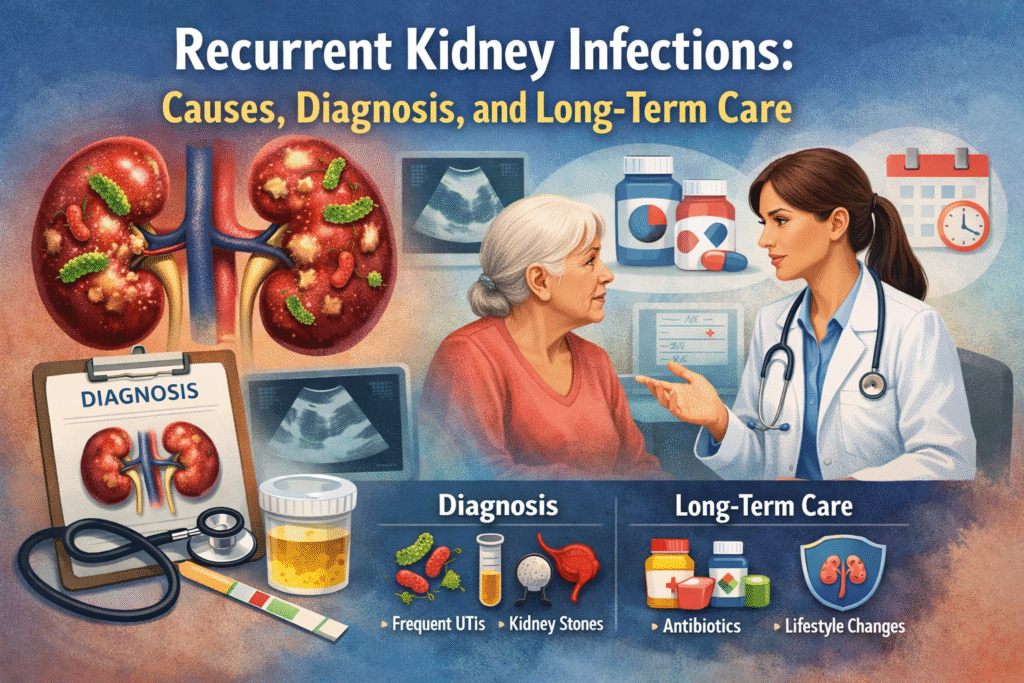
Recurrent Kidney Infections: Causes, Diagnosis, and Long-Term Care

Recurrent kidney infections, medically known as recurrent pyelonephritis, are a serious health concern that should never be ignored. Unlike a single urinary tract infection (UTI), repeated kidney infections can gradually damage the kidneys and affect overall health if not managed properly. Understanding the causes, diagnostic process, and long-term care options is essential for preventing complications and maintaining kidney health. What Are Recurrent Kidney Infections? A kidney infection occurs when bacteria travel from the bladder or urethra up to one or both kidneys. When such infections happen repeatedly—two or more times within six months or three or more times in a year—they are classified as recurrent kidney infections. These infections can cause persistent discomfort and increase the risk of permanent kidney damage if left untreated. Common symptoms include fever, chills, back or side pain, frequent and painful urination, cloudy or foul-smelling urine, fatigue, and nausea. In some cases, symptoms may be mild, making early diagnosis even more important. Causes of Recurrent Kidney Infections Several underlying factors can contribute to repeated kidney infections. Identifying the root cause is crucial for effective treatment and prevention. Structural abnormalities in the urinary tract, such as kidney stones, narrow ureters, or congenital defects, can block urine flow and allow bacteria to multiply. Vesicoureteral reflux (VUR), a condition where urine flows backward from the bladder to the kidneys, is a common cause, especially in children and young adults. Incomplete bladder emptying, often seen in people with diabetes, nerve disorders, or an enlarged prostate, increases the risk of infection. Weakened immunity due to chronic illnesses, stress, or long-term medication can make the body less capable of fighting bacteria. Frequent or untreated UTIs that are not fully cured may spread to the kidneys and recur. Consulting an experienced Urologist in Pune helps in accurately identifying these causes and planning targeted treatment. How Recurrent Kidney Infections Are Diagnosed Diagnosis involves more than just confirming an infection—it focuses on understanding why infections keep returning. A urine analysis and culture is usually the first step to detect bacteria and determine the most effective antibiotic. Blood tests may be recommended to assess kidney function and detect signs of systemic infection. Imaging tests, such as ultrasound, CT scan, or MRI, help identify structural problems, kidney stones, or obstructions in the urinary tract. In some cases, a cystoscopy may be performed to examine the bladder and urethra more closely. Accurate diagnosis by a skilled Kidney Specialist in Pune ensures that treatment addresses the root cause rather than just the symptoms. Treatment and Long-Term Care Strategies Managing recurrent kidney infections requires a combination of medical treatment and lifestyle changes. Medical Treatment Antibiotics remain the primary treatment, but in recurrent cases, longer or preventive antibiotic courses may be prescribed. If structural abnormalities or stones are found, surgical or minimally invasive procedures may be necessary to correct the issue and prevent future infections. Lifestyle and Preventive Care Long-term care focuses on reducing the risk of recurrence: Drinking adequate water to flush out bacteria Maintaining proper hygiene Urinating regularly and completely Managing blood sugar levels in diabetic patients Avoiding self-medication and completing prescribed antibiotic courses Regular follow-ups with a Urologist in Pune help monitor kidney health and catch early signs of infection before they become severe. When to See a Specialist If you experience repeated UTIs, persistent back pain, fever, or notice changes in urination, it is important to seek expert care promptly. Early intervention can prevent chronic kidney damage and long-term complications such as high blood pressure or reduced kidney function. Expert Care with Dr. Rakshit Ahuja Dr. Rakshit Ahuja is a trusted urology expert known for his patient-centric approach and evidence-based care. With extensive experience in managing complex urinary tract and kidney conditions, he focuses on accurate diagnosis, personalized treatment, and long-term prevention strategies to help patients achieve lasting kidney health. Select an element to maximize. Press ESC to cancel. Select an element to maximize. Press ESC to cancel.

Recurrent Kidney Infections: Causes, Diagnosis, and Long-Term Care Read More »

Urologist in Pune

Kidney Infection in Women: Why the Risk is Higher and How to Prevent It

Kidney infections—medically known as pyelonephritis—are a serious type of urinary tract infection (UTI) that require timely diagnosis and treatment. Women are far more likely to develop kidney infections than men, and understanding why can help in taking the right preventive steps. As a leading Urologist in Pune, Dr. Rakshit Ahuja emphasizes that early detection and proper management of urinary issues can prevent complications and protect long-term kidney health. In this blog, we will explore why women face a higher risk, the early warning signs, treatment options, and effective preventive strategies. Why Are Women at Higher Risk of Kidney Infections? 1. Shorter Urethra The primary reason is anatomy. Women have a shorter urethra, which makes it easier for bacteria—especially E. coli—to travel upward into the bladder and kidneys. This increases the likelihood of developing UTIs, which can progress into kidney infections if not treated early. 2. Sexual Activity Sexual intercourse can push bacteria into the urinary tract. Women who are sexually active or use certain types of birth control (like spermicides or diaphragms) may be more prone to recurrent infections. 3. Pregnancy-Related Changes During pregnancy, hormonal changes and pressure on the bladder can reduce urinary flow, allowing bacteria to multiply. Untreated UTIs during pregnancy significantly increase the risk of kidney infection. 4. Menopause and Hormonal Changes After menopause, lower estrogen levels can weaken the urinary tract lining, reducing natural protection against bacterial growth. This makes post-menopausal women more prone to urinary infections. 5. Improper Hygiene Habits Wiping back to front can transfer bacteria from the anal area to the urethra, increasing the risk of infection. Signs and Symptoms You Shouldn’t Ignore Kidney infections tend to show more severe symptoms than a simple UTI. Warning signs include: High fever and chills Lower back or flank pain Nausea or vomiting Frequent urination Burning sensation while urinating Cloudy, foul-smelling, or bloody urine Fatigue or general weakness If you experience any of these symptoms, it’s important to seek Kidney Infection Treatment immediately. Delaying treatment can lead to complications such as kidney damage, sepsis, or recurrent infections. When to See a Kidney Specialist? If UTIs or kidney infections keep recurring, consulting a Kidney Specialist in Pune like Dr. Rakshit Ahuja is crucial. Specialist evaluation helps identify underlying causes such as: Kidney stones Structural abnormalities Diabetes Weak immune system Enlarged prostate in older men Early diagnosis ensures correct treatment and helps prevent long-term damage. How Kidney Infections Are Treated Kidney infections require prompt medical treatment, which may include: 1. Antibiotics These are the first line of defense. The medication type and duration depend on the severity of infection. 2. Pain and Fever Management Analgesics and hydration help manage symptoms while antibiotics work. 3. Hospital Treatment (if needed) Severe cases may require IV antibiotics, especially if the infection is accompanied by high fever, dehydration, or sepsis. 4. Treatment of Underlying Causes If recurrent infections are caused by kidney stones, strictures, or bladder issues, a Urologist in Pune can provide appropriate corrective treatments. How Women Can Prevent Kidney Infections Prevention plays a major role in protecting the kidneys. Here are some doctor-recommended tips: 1. Stay Hydrated Drinking plenty of water helps flush out bacteria before they can travel to the kidneys. 2. Don’t Delay Urination Holding urine for long periods allows bacteria to multiply in the bladder. 3. Maintain Proper Intimate Hygiene Always wipe front to back and keep the genital area clean and dry. 4. Urinate Before and After Intercourse This helps clear bacteria introduced during sexual activity. 5. Avoid Irritating Feminine Products Products like douches, scented sprays, or harsh soaps can disrupt the natural pH balance. 6. Choose Breathable Underwear Cotton underwear helps reduce moisture that allows bacteria to grow. 7. Include Probiotics in Your Diet Yogurt, fermented foods, and probiotic supplements can support urinary and gut health. 8. Manage Underlying Conditions If you have diabetes, kidney stones, or hormonal issues, regular follow-ups with a Kidney Specialist in Pune are essential. 9. Strengthen Immunity A balanced diet, regular exercise, and sufficient sleep promote better urinary health and infection resistance. Final Thoughts Kidney infections can be painful and dangerous if neglected, but they are highly preventable—especially when you understand the risk factors. Women, due to anatomical and hormonal reasons, must be extra cautious about urinary health. If you experience frequent UTIs, lower back pain, or persistent discomfort, consulting a trusted Urologist in Pune like Dr. Rakshit Ahuja can help you get the right Kidney Infection Treatment and long-term protection for your kidneys. Early action not only prevents complications but also ensures a healthier, infection-free life. Select an element to maximize. Press ESC to cancel.

Kidney Infection in Women: Why the Risk is Higher and How to Prevent It Read More »

Kidney Specialist in Pune

When a Kidney Infection Becomes an Emergency: Red Flag Symptoms

Kidney infections, medically known as pyelonephritis, are serious urinary tract infections (UTIs) that can affect one or both kidneys. While many UTIs are mild and manageable with proper care, a kidney infection can quickly escalate into a medical emergency if not addressed promptly. Recognizing the red flag symptoms early can save your kidneys and even your life. As a trusted Urologist in Pune, Dr. Rakhit Ahuja emphasizes the importance of awareness and timely medical intervention when it comes to kidney health. Here’s what you need to know about when a kidney infection becomes urgent and requires immediate attention. Understanding Kidney Infections Kidneys play a crucial role in filtering waste from the blood and maintaining fluid and electrolyte balance. When bacteria travel from the bladder or urethra to the kidneys, they can cause infection. Common causes include untreated UTIs, kidney stones, structural abnormalities in the urinary tract, or a weakened immune system. Early symptoms of a kidney infection often resemble a regular UTI and may include: Frequent urination Burning sensation during urination Lower abdominal discomfort Mild fever or chills While these symptoms warrant prompt consultation, certain warning signs indicate that the infection has progressed and requires urgent medical care. Red Flag Symptoms of a Kidney Infection High Fever and Chills A mild fever may be common in a UTI, but a sudden, high-grade fever (often above 101°F or 38.3°C) with chills signals that the infection is intensifying. This is the body’s response to a bacterial invasion that could potentially enter the bloodstream. Severe Flank Pain Pain in the side or back, just below the ribs (flank area), is a hallmark symptom of kidney involvement. Unlike mild abdominal discomfort, this pain is sharp, persistent, and often one-sided. It may radiate to the groin area in some cases. Nausea and Vomiting When the kidneys are inflamed, it can trigger systemic symptoms like nausea, vomiting, or loss of appetite. These signs indicate that the infection is affecting your entire body, not just the urinary tract. Blood in Urine (Hematuria) Pink, red, or brownish urine can be alarming and often suggests bleeding in the urinary tract. Blood in urine during a kidney infection is a serious symptom that requires immediate evaluation by a Kidney Specialist in Pune. Persistent Urinary Symptoms An urgent need to urinate, burning sensations, or cloudy and foul-smelling urine that doesn’t improve with home remedies or antibiotics could indicate a worsening infection. Confusion or Mental Changes Especially in older adults, kidney infections can lead to confusion, dizziness, or disorientation. This may be a sign of sepsis, a life-threatening condition caused by the spread of infection into the bloodstream. When to Seek Emergency Care If you experience any combination of the red flag symptoms listed above, it’s crucial to seek emergency medical attention immediately. Kidney infections left untreated can lead to serious complications, including: Kidney scarring or permanent damage Sepsis or septic shock Recurrent infections that affect overall kidney function Prompt intervention often involves intravenous antibiotics, pain management, and in severe cases, hospitalization. Early treatment drastically improves recovery and reduces the risk of long-term kidney damage. Prevention and Early Detection Prevention remains the best strategy. Maintaining proper hydration, practicing good urinary hygiene, and addressing UTIs early can significantly reduce the risk of kidney infections. Regular check-ups with a Kidney Specialist in Pune, especially for individuals with recurring UTIs, diabetes, or kidney stones, are essential for early detection and prevention. Conclusion Kidney infections can escalate quickly and become life-threatening if warning signs are ignored. Recognizing the red flag symptoms—high fever, severe flank pain, blood in urine, nausea, and confusion—is vital for timely intervention. Consulting a qualified Urologist in Pune like Dr. Rakhit Ahuja can ensure proper diagnosis, treatment, and follow-up care to protect your kidney health. Remember, your kidneys are vital organs, and early action can make all the difference. Don’t wait—if you notice any concerning symptoms, seek medical attention immediately. Select an element to maximize. Press ESC to cancel.

When a Kidney Infection Becomes an Emergency: Red Flag Symptoms Read More »

Kidney Cancer Treatment in Pune

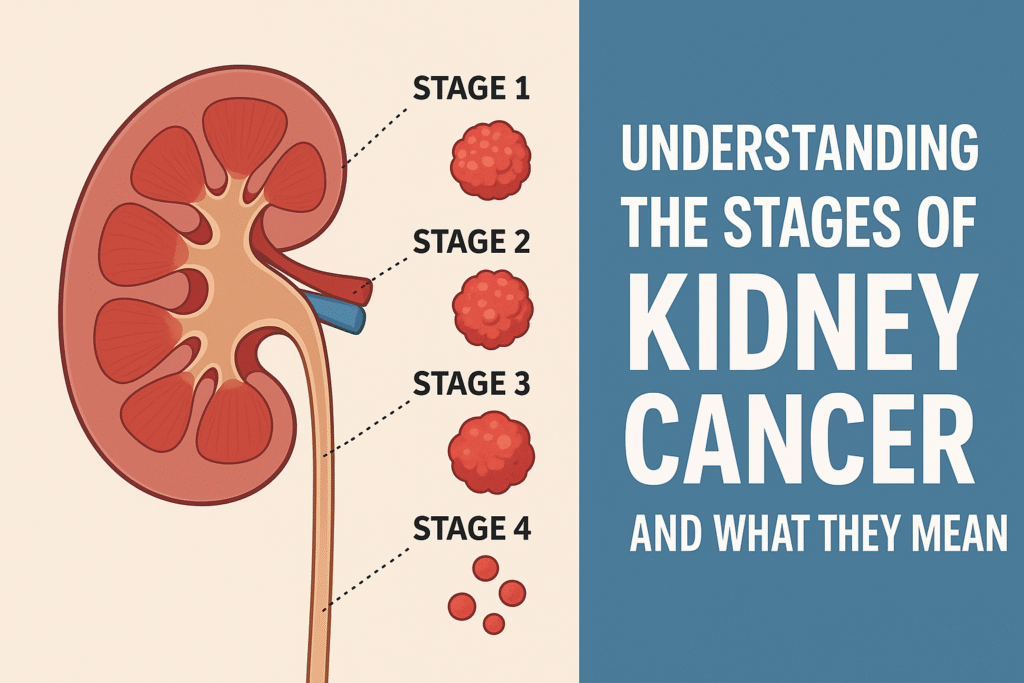
Understanding the Stages of Kidney Cancer and What They Mean

Kidney cancer is one of the most commonly diagnosed urological cancers, and understanding its stages is crucial for timely treatment and better outcomes. When detected early, kidney cancer can be managed effectively with advanced surgical and minimally invasive techniques. As a leading Urologist in Pune, Dr. Rakshit Ahuja emphasizes the importance of awareness, early detection, and choosing the right treatment approach. This blog will help you understand the stages of kidney cancer, what each stage means, and how timely Kidney Cancer Treatment in Pune can make a life-saving difference. Why Staging Matters in Kidney Cancer Staging tells us how far the cancer has grown, whether it is limited to the kidney or has spread to nearby organs. It helps your Kidney Specialist in Pune decide the most suitable treatment—such as surgery, targeted therapy, immunotherapy, or active surveillance. Kidney cancer staging typically follows the TNM system: T (Tumor) – Size and spread of the tumor. N (Nodes) – Whether cancer has reached lymph nodes. M (Metastasis) – Whether it has spread to distant organs. Understanding each stage empowers patients to make informed decisions about their health. Stage 1: Early, Localized, and Highly Treatable Stage 1 kidney cancer means the tumor is 7 cm or smaller and confined within the kidney. There is no spread to lymph nodes or distant organs. What It Means Often asymptomatic and detected incidentally during ultrasounds, CT scans, or health checkups. High treatment success rate when the tumor is removed early. Treatment Options Partial Nephrectomy (kidney-sparing surgery) Minimally invasive laparoscopic or robotic surgery Early-stage cancers treated by an experienced Urologist in Pune typically have excellent outcomes with minimal impact on kidney function. Stage 2: Larger Tumor, Still Within the Kidney In Stage 2, the tumor is larger than 7 cm but still confined to the kidney. What It Means Slightly more advanced, but still considered localized. High chance of cure with timely surgical intervention. Treatment Options Radical Nephrectomy (complete removal of the affected kidney) Robotic or laparoscopic approaches for faster recovery Choosing the right specialist for Kidney Cancer Treatment in Pune ensures advanced surgical precision and better postoperative results. Stage 3: Cancer Spreads to Major Veins or Lymph Nodes Stage 3 kidney cancer means: The tumor may have grown into major veins near the kidney (such as the renal vein). Or cancer cells have reached one or more nearby lymph nodes, but not distant organs. What It Means More complex, requiring expertise and a multidisciplinary approach. Symptoms like blood in urine, persistent back pain, or abdominal mass may appear. Treatment Options Radical Nephrectomy with Lymph Node Dissection Targeted therapy or immunotherapy, depending on severity A skilled Kidney Specialist in Pune like Dr. Rakshit Ahuja provides personalized treatment plans to combat cancer effectively at this stage. Stage 4: Advanced or Metastatic Kidney Cancer Stage 4 is the most advanced stage where: The cancer has spread (metastasized) to other organs like lungs, bones, or liver. Multiple lymph nodes may be involved. What It Means Symptoms become more noticeable—fatigue, weight loss, bone pain, coughing, or swelling. Treatment focuses on controlling cancer growth, improving survival, and enhancing quality of life. Treatment Options Targeted Therapies (to slow tumor growth) Immunotherapy Cytoreductive Nephrectomy (removal of kidney tumor even when cancer has spread, in selected cases) Palliative care for symptom management With advancements in medical science, patients receiving timely Kidney Cancer Treatment in Pune can still achieve meaningful recovery and long-term survival, even in advanced stages. Early Detection Can Save Lives Kidney cancer often grows silently with subtle or no symptoms. Common warning signs include: Blood in urine Unexplained weight loss Persistent side or back pain Fatigue Recurrent fever If you experience any of these, consulting a Urologist in Pune at the earliest can make a major difference. Why Choose Dr. Rakshit Ahuja? Dr. Rakshit Ahuja offers: Expertise in advanced laparoscopic and robotic urology Accurate diagnosis supported by modern imaging techniques Personalized treatment plans tailored to each patient Focus on organ-preserving surgeries whenever possible Compassionate care and long-term follow-up As a trusted Kidney Specialist in Pune, Dr. Ahuja ensures that patients receive the highest standard of care with the latest medical advancements. Final Thoughts Understanding the stages of kidney cancer helps you take proactive steps toward better health. Whether the cancer is detected early or in advanced stages, the right guidance and timely treatment can make a significant impact on survival and quality of life. If you or a loved one is seeking Kidney Cancer Treatment in Pune, consulting an experienced Urologist in Pune like Dr. Rakshit Ahuja is the first step toward recovery. Select an element to maximize. Press ESC to cancel.

Understanding the Stages of Kidney Cancer and What They Mean Read More »

kidney infection

Role of Hydration in Preventing Kidney Infection

Water is one of the most essential yet underestimated elements for maintaining kidney health. While most people know that staying hydrated supports overall well-being, many are unaware of how crucial it is in preventing kidney infections. Kidney infections, also known as pyelonephritis, occur when bacteria from the urinary tract travel up to the kidneys, leading to inflammation, pain, and potential complications if left untreated. One of the most effective and natural ways to reduce this risk is—proper hydration. As a trusted Urologist in Pune, Dr. Rakshit Ahuja emphasizes that simple lifestyle habits like drinking enough water daily can significantly reduce urinary tract infections (UTIs) and safeguard kidney function, especially for individuals prone to recurrent infections. Why Hydration Matters for Kidney Health Your kidneys perform the important role of filtering waste, toxins, and excess fluids from your blood, flushing them out of the body through urine. When your body lacks sufficient water: Urine becomes concentrated Bacterial growth increases The risk of infection rises Adequate hydration ensures a continuous flush of fluids through the urinary tract, preventing harmful bacteria from multiplying and causing infections. How Drinking Enough Water Prevents Kidney Infections Here are some important ways hydration protects your kidneys: 1. Flushes Out Bacteria Naturally Water is your body’s natural cleansing agent. Drinking enough fluids increases urine output, helping flush bacteria and toxins out of the urinary system. This prevents bacteria from settling in the bladder or kidneys and reduces the chances of infection. 2. Maintains Optimal Urine pH Levels Dehydration makes urine acidic and concentrated, creating the perfect environment for infection-causing bacteria such as E. coli to multiply. Proper hydration helps maintain a balanced urine pH, making it harder for bacteria to thrive. 3. Prevents Kidney Stones – A Major Infection Trigger Dehydration is one of the leading causes of kidney stones. Stones can block the flow of urine, creating a breeding ground for infections. Drinking water dilutes salt and mineral buildup, preventing stone formation. As a Kidney Specialist in Pune, Dr. Ahuja says that patients prone to stones must increase their daily water intake to 2.5–3 litres unless medically restricted. 4. Supports Faster Recovery from UTIs For individuals who already suffer from urinary infections, staying hydrated helps reduce discomfort, burning sensation, and severity of symptoms by promoting frequent urination and faster bacterial clearance from the urinary tract. How Much Water Should You Drink Daily? On average, a healthy adult should drink 8–10 glasses (2–3 litres) of water per day. The requirement may increase based on: Lifestyle / Condition Recommended Intake Hot climate or summer 3–3.5 litres Regular exercise Additional 500–700 ml Prone to kidney stones 3 litres minimum Medical restrictions As advised by Urologist Note: Individuals with kidney disorders should consult a Urology Doctor in Pune like Dr. Ahuja before increasing water intake. Best Hydrating Fluids for Kidney Health Not all fluids hydrate equally. For healthy kidneys and infection prevention, choose: ✅ Plain water – Best and simplest 🍋 Lemon water – Prevents stone formation 🥒 Infused water with cucumber or mint – Boosts hydration 🍉 Fruits rich in water – like watermelon, oranges, and berries 🥥 Tender coconut water – Natural electrolytes Limit or avoid beverages like caffeinated drinks, soft drinks, alcohol, and excessive tea/coffee as they may dehydrate the body. Signs You Are Not Drinking Enough Water Recognizing dehydration early can help prevent complications. Common warning signs include: Dark yellow or strong-smelling urine Infrequent urination Dry mouth and chapped lips Fatigue and dizziness Burning sensation while urinating If these symptoms persist, it is advisable to consult a Urologist in Pune for proper evaluation. Additional Tips to Prevent Kidney Infections Along with proper hydration, adopt these simple habits to keep your urinary system healthy: Do not hold urine for long periods Maintain proper intimate hygiene Urinate after sexual intercourse Wear breathable cotton undergarments Reduce salt intake to avoid strain on kidneys Include probiotics in diet to maintain gut and urinary health If you experience recurring UTIs, back pain, fever, or blood in urine, seek medical help immediately. When Should You Visit a Kidney Specialist in Pune? Consult a Kidney Specialist in Pune if you have: Recurrent UTIs or kidney infections Painful urination or burning sensation Lower abdominal or back pain Cloudy or foul-smelling urine Fever with chills and urinary symptoms Early diagnosis and treatment prevent complications and protect long-term kidney health. Conclusion Hydration is a simple yet powerful tool for preventing kidney infections and maintaining healthy kidneys. Making water a priority in your daily routine can go a long way in keeping your urinary system clean and infection-free. As a leading Urology Doctor in Pune, Dr. Rakshit Ahuja advises that prevention begins with lifestyle, and drinking adequate water is one of the easiest steps toward a healthy kidney life. If you or your loved ones experience urinary symptoms or frequent infections, don’t ignore them. Early consultation can help avoid serious complications. Select an element to maximize. Press ESC to cancel. Select an element to maximize. Press ESC to cancel.

Role of Hydration in Preventing Kidney Infection Read More »