Dr. Rakshit Ahuja

Urologist | Kidney Stone Specialist | Prostate Treatment

Open 24 hours

Monday to Sunday

+91 98905 83933

Make a Appoinment

Best Urology Doctor in Pune

Experienced urology care for kidney, bladder, and prostate disorders using advanced diagnostic and treatment methods. Personalized treatment plans ensure better recovery and long-term health management.

Dr. Rakshit Ahuja – Urologist In Pune Varicocele awareness
Best Urology Doctor in Pune, Blog, Urologist in Pune, Urology Doctor In Pune

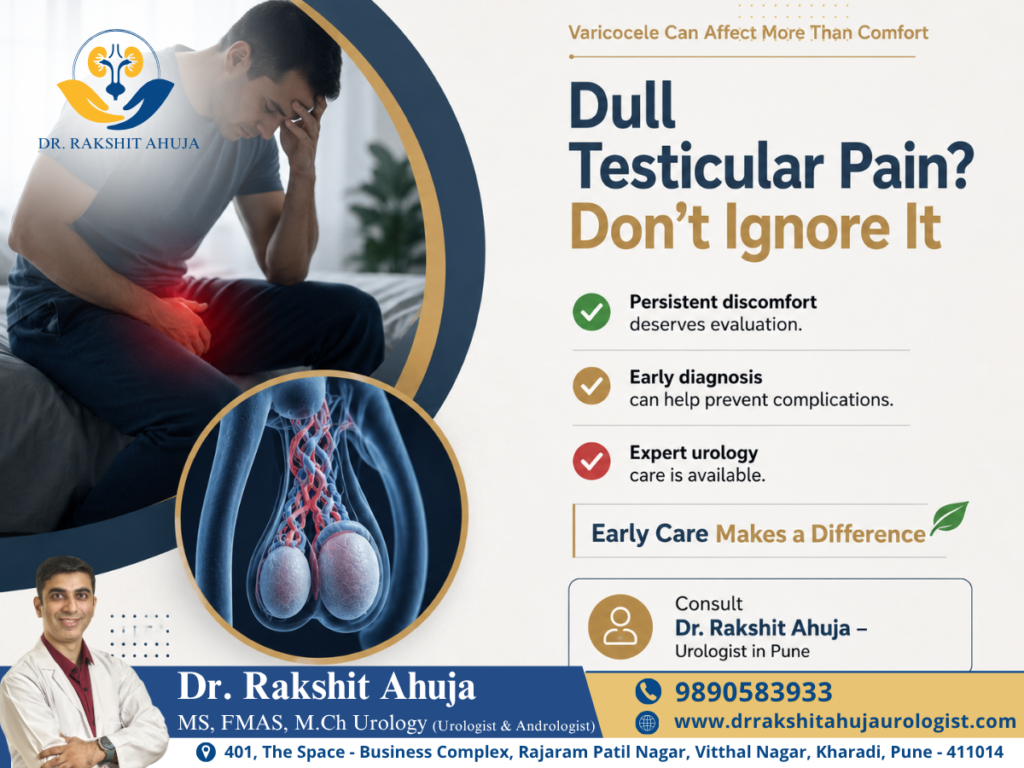
Varicocele and Dull Testicular Pain: Why You Should Not Ignore It

Dull or persistent testicular pain can be uncomfortable, worrying, and sometimes difficult to discuss. While occasional discomfort may have a simple cause, ongoing pain or heaviness in the scrotum should not be ignored. One possible cause is varicocele, a condition involving enlarged veins in the scrotum that can sometimes lead to discomfort and other concerns. If you are experiencing persistent testicular pain, heaviness, or swelling, an evaluation by a qualified urologist can help identify the underlying cause. Dr. Rakshit Ahuja, Urologist in Pune, provides urological care and evaluation for men experiencing concerns related to varicocele and other urinary and reproductive health conditions. What Is a Varicocele? A varicocele is an enlargement of veins within the scrotum, similar to varicose veins that can occur in the legs. It commonly develops when blood does not flow efficiently through the veins, causing blood to collect and the veins to become enlarged. Varicoceles are relatively common and may not always cause noticeable symptoms. Some men may discover a varicocele during a routine examination, while others may seek medical attention because of discomfort, swelling, or concerns about fertility. The condition can occur on one or both sides, although it is more commonly seen on the left side. What Does Varicocele Pain Feel Like? Varicocele-related discomfort may vary from person to person. Some men may experience: A dull, aching sensation in the testicle or scrotum A feeling of heaviness or dragging Discomfort that becomes more noticeable after prolonged standing Pain that increases after physical activity Symptoms that improve when lying down Visible or enlarged veins in the scrotum The pain may not always be severe. However, persistent or recurring testicular discomfort deserves proper medical evaluation rather than being ignored. It is also important to remember that testicular pain can have several possible causes. Varicocele is only one of them, and a proper diagnosis is necessary before deciding on treatment. Can Varicocele Affect Fertility? In some men, varicocele may be associated with fertility concerns. The enlarged veins can potentially affect the environment around the testicles, and in certain cases, this may be associated with changes in sperm production or quality. However, having a varicocele does not automatically mean that a man will have fertility problems. Many men with varicocele do not experience infertility. If you are concerned about fertility, a urologist may recommend appropriate evaluation based on your individual circumstances. This may include a physical examination, scrotal ultrasound, or semen analysis when clinically indicated. How Is Varicocele Diagnosed? A urologist generally begins with a detailed discussion about symptoms and medical history, followed by a physical examination. The doctor may examine the scrotum while the patient is standing and may ask the patient to perform certain maneuvers that can make a varicocele easier to detect. In some cases, a scrotal ultrasound with Doppler evaluation may be recommended. This can help assess blood flow and provide additional information about the veins and surrounding structures. A proper evaluation is especially important when testicular pain is persistent, unexplained, or associated with swelling or other symptoms. Does Every Varicocele Need Treatment? Not every varicocele requires immediate treatment. Management depends on factors such as the severity of symptoms, the size of the varicocele, fertility concerns, testicular development, and the overall clinical assessment. For some patients, observation and regular follow-up may be appropriate. If symptoms are significant or if there are specific fertility or testicular concerns, a urologist may discuss suitable treatment options. Treatment decisions should always be individualized rather than based solely on the presence of a varicocele. Treatment Options for Varicocele When treatment is recommended, the appropriate approach depends on the patient’s condition and medical needs. A urologist may discuss options that can address the abnormal blood flow in the affected veins. Depending on the diagnosis, treatment may include surgical or minimally invasive approaches. The goal is to manage symptoms and address relevant clinical concerns while selecting the most appropriate option for the individual patient. A detailed consultation with a urologist can help you understand whether treatment is necessary and which approach may be suitable. When Should You See a Urologist? You should consider consulting a urologist if you experience: Persistent or recurring testicular pain A feeling of heaviness in the scrotum Swelling or enlarged veins A noticeable difference in testicular size Concerns about male fertility Unexplained discomfort that worsens with standing or physical activity Sudden and severe testicular pain requires urgent medical assessment, as it can sometimes indicate a condition that needs immediate treatment. Consult Dr. Rakshit Ahuja, Urologist in Pune If you are searching for a Urologist in Pune for evaluation of varicocele, testicular pain, or other urological concerns, Dr. Rakshit Ahuja, Urologist in Pune, offers professional urological consultation and personalized evaluation. Persistent discomfort should not be dismissed simply because the pain is mild. Identifying the cause early can help you understand your condition and explore appropriate management options when needed. If you are experiencing ongoing testicular discomfort or have concerns about a possible varicocele, consider scheduling a consultation with Dr. Rakshit Ahuja, Urologist in Pune for an appropriate clinical evaluation. Disclaimer: This blog is intended for general educational purposes and should not be considered a substitute for professional medical advice, diagnosis, or treatment. Seek urgent medical attention for sudden or severe testicular pain.


Men's Sexual Health Care | Dr. Rakshit Ahuja
Best Urology Doctor in Pune, Blog, Urologist in Pune, Urology Doctor In Pune

Take the First Step Toward Better Health: Understanding Men’s Sexual Health

Sexual health is an important part of a man’s overall physical and emotional well-being. However, many men hesitate to discuss concerns related to sexual health due to embarrassment, fear, or misconceptions. Delaying medical advice can sometimes affect relationships, confidence, and quality of life. The good news is that many male sexual health conditions can be evaluated and managed with appropriate medical care. Seeking timely consultation allows individuals to better understand the underlying cause of their symptoms and explore suitable treatment options. If you are looking for an experienced Urologist in Pune, Dr. Rakshit Ahuja, Urologist in Pune, provides confidential consultations, comprehensive evaluation, and personalized care for a wide range of men’s urological and sexual health concerns. Patients searching for Dr. Rakshit Ahuja, Urologist in Pune on Google Business Profile can access trusted, evidence-based urology care in a supportive and professional environment. Why Sexual Health Matters Sexual health is closely linked to overall health. It involves physical, emotional, hormonal, and psychological well-being. Changes in sexual function may sometimes be associated with underlying medical conditions such as diabetes, hypertension, hormonal imbalance, cardiovascular disease, or certain medications. Addressing sexual health concerns early not only improves quality of life but may also help identify other health issues that require medical attention. Common Male Sexual Health Concerns Men may experience a variety of sexual health concerns at different stages of life. Some of the commonly evaluated conditions include: Difficulty achieving or maintaining an erection Reduced sexual desire Ejaculatory concerns Pain or discomfort during sexual activity Fertility-related concerns Penile curvature (Peyronie’s disease) Hormonal imbalances affecting sexual health It is important to remember that these concerns are common and often treatable. Consulting a qualified urologist is the first step toward understanding the cause and receiving appropriate guidance. Possible Causes Several factors may contribute to male sexual health problems, including: Medical Conditions Diabetes High blood pressure Heart disease Obesity Hormonal disorders Neurological conditions Lifestyle Factors Smoking Excessive alcohol consumption Physical inactivity Poor diet Lack of sleep Psychological Factors Stress Anxiety Depression Relationship concerns Work-related pressure Often, more than one factor may contribute, making a comprehensive medical evaluation important. When Should You Consult a Urologist? Consider scheduling a consultation if you experience: Persistent changes in sexual function Difficulty maintaining satisfactory sexual performance Pain during urination or sexual activity Changes in urinary symptoms Concerns regarding fertility Reduced confidence due to ongoing symptoms Early consultation allows your doctor to evaluate possible causes and recommend appropriate management without unnecessary delays. How Are Sexual Health Concerns Evaluated? Every patient receives an individualized assessment based on their symptoms and medical history. Evaluation may include: Detailed medical history Physical examination Blood investigations Hormonal evaluation Urine tests Ultrasound or imaging when required Additional specialized investigations if clinically indicated The purpose of these assessments is to identify underlying causes and develop an appropriate treatment plan. Treatment Depends on the Individual There is no single treatment suitable for everyone. Management depends on the specific diagnosis, age, medical history, and overall health. Treatment may include: Lifestyle modifications Medical management Hormonal treatment (when appropriate) Counseling and psychological support Management of underlying medical conditions Minimally invasive or surgical treatment where medically indicated A personalized approach often provides the best outcomes. Healthy Lifestyle Habits That Support Men’s Health Maintaining a healthy lifestyle can positively influence overall wellness and sexual health. Helpful habits include: Regular exercise Maintaining a healthy weight Eating a balanced diet Avoiding tobacco Limiting alcohol intake Managing stress Getting adequate sleep Controlling diabetes and blood pressure Attending regular health check-ups These habits contribute to better cardiovascular health, hormonal balance, and overall well-being. Why Early Consultation Matters Many men delay seeking help because they believe symptoms will improve on their own or feel uncomfortable discussing personal concerns. However, early evaluation can provide reassurance, identify treatable causes, and prevent unnecessary anxiety. Seeking medical advice is a proactive step toward improving both physical and emotional health. Expert Urology Care by Dr. Rakshit Ahuja If you are searching for a trusted Urologist in Pune, Dr. Rakshit Ahuja, Urologist in Pune, offers comprehensive care for men’s urological and sexual health concerns. His approach focuses on patient privacy, detailed evaluation, evidence-based diagnosis, and personalized treatment plans tailored to individual needs. At Dr. Rakshit Ahuja, Urologist in Pune, patients receive compassionate care for conditions related to urinary health, prostate disorders, kidney stones, male reproductive health, and sexual wellness. Every consultation is conducted in a respectful and confidential setting, allowing patients to discuss their concerns comfortably. Conclusion Sexual health is an important part of overall health and should never be overlooked. Many common concerns can be evaluated and managed effectively when addressed early. A healthy lifestyle, regular medical check-ups, and timely consultation with an experienced urologist can make a significant difference in long-term well-being. If you have concerns about your urological or sexual health, consult Dr. Rakshit Ahuja, Urologist in Pune, for expert guidance, personalized evaluation, and evidence-based care. Taking the first step today can help you make informed decisions about your health and improve your overall quality of life.

Expert ED treatment by Dr. Rakshit Ahuja
Best Urology Doctor in Pune, Blog, Urologist in Pune, Urology Doctor In Pune

Personalized ED Treatment in Pune: Regain Your Confidence with Expert Care

Erectile Dysfunction (ED) is one of the most common yet least discussed men’s health concerns. While many men experience occasional difficulty achieving or maintaining an erection, persistent erectile dysfunction should never be ignored. Fortunately, modern medicine offers safe, effective, and personalized treatment options that can help restore sexual health and improve overall quality of life. I am Dr. Rakshit Ahuja, and through my practice and Google Business Profile – Dr. Rakshit Ahuja, ED Treatment in Pune, I frequently meet men who delay seeking medical advice due to embarrassment or misconceptions. The good news is that ED is a treatable medical condition, and early evaluation often leads to better outcomes. What is Erectile Dysfunction? Erectile Dysfunction is the persistent inability to achieve or maintain an erection that is firm enough for satisfactory sexual activity. While occasional erection problems can happen due to stress or fatigue, frequent or ongoing ED may indicate an underlying medical or psychological condition that requires professional evaluation. ED affects men of all age groups, although it becomes more common with advancing age. However, it is not a normal part of ageing and should always be assessed by a qualified specialist. Common Causes of Erectile Dysfunction Erectile dysfunction is usually caused by a combination of physical, psychological, and lifestyle-related factors. Some of the most common causes include: Diabetes High blood pressure High cholesterol Obesity Smoking and tobacco use Excessive alcohol consumption Hormonal imbalance (low testosterone) Cardiovascular disease Stress and anxiety Depression Relationship issues Side effects of certain medications Since ED may sometimes be an early warning sign of heart disease or diabetes, a thorough medical evaluation is extremely important. Symptoms You Should Not Ignore Many men think ED simply means difficulty getting an erection, but several symptoms may indicate an underlying problem. These include: Difficulty achieving an erection Trouble maintaining an erection during intercourse Reduced sexual desire Weak or inconsistent erections Loss of morning erections Anxiety related to sexual performance If these symptoms continue for more than a few weeks, it is advisable to consult an experienced doctor for ED Treatment in Pune. Why Early Diagnosis Matters Ignoring erectile dysfunction can affect much more than sexual performance. It can impact emotional well-being, self-confidence, relationships, and overall quality of life. More importantly, ED may be the first symptom of serious health conditions such as: Diabetes Heart disease Peripheral vascular disease Hormonal disorders Neurological conditions Early diagnosis allows timely treatment of both erectile dysfunction and any underlying medical conditions. How Erectile Dysfunction is Diagnosed As a specialist in men’s health, I believe that every patient deserves a confidential, respectful, and personalized consultation. Evaluation typically includes: Detailed medical history Sexual health assessment Lifestyle evaluation Physical examination Blood sugar testing Hormone profile Cholesterol testing Penile Doppler ultrasound (when required) Additional investigations based on individual needs A comprehensive assessment helps identify the exact cause of ED and guides the most suitable treatment plan. Personalized ED Treatment in Pune Every patient is different, which is why treatment should always be individualized. Depending on the underlying cause, treatment options may include: Lifestyle Modifications Simple lifestyle changes often improve erectile function significantly. These include: Regular exercise Weight management Healthy diet Smoking cessation Limiting alcohol intake Better sleep habits Stress management Oral Medications FDA-approved oral medications remain one of the most effective first-line treatments for many patients when prescribed appropriately after evaluation. Hormone Therapy Men with testosterone deficiency may benefit from carefully monitored hormone replacement therapy after proper investigations. Advanced Therapies Depending on the patient’s condition, advanced treatment options may include: Injectable therapies Vacuum erection devices Regenerative treatment approaches (where appropriate) Penile prosthesis surgery for severe, treatment-resistant cases The choice of treatment depends on the patient’s age, medical history, expectations, and overall health. Can Erectile Dysfunction Be Prevented? Although not every case can be prevented, maintaining a healthy lifestyle significantly reduces the risk. Helpful preventive measures include: Control diabetes and blood pressure Exercise regularly Eat a balanced diet Maintain a healthy weight Avoid tobacco Limit alcohol Manage stress effectively Get regular health check-ups Seek treatment for hormonal or cardiovascular disorders Taking care of your overall health is one of the best ways to maintain long-term sexual wellness. Why Choose Dr. Rakshit Ahuja for ED Treatment in Pune? Choosing the right specialist is essential for effective and confidential care. My approach focuses on identifying the root cause of erectile dysfunction rather than simply treating the symptoms. Patients receive: Comprehensive evaluation Personalized treatment plans Complete privacy and confidentiality Evidence-based medical care Advanced diagnostic facilities Long-term follow-up and support As Dr. Rakshit Ahuja, ED Treatment in Pune, my goal is to help patients regain confidence, improve relationships, and achieve better overall health through compassionate and individualized care. You can also visit my Google Business Profile – Dr. Rakshit Ahuja, ED Treatment in Pune to learn more about available services, patient experiences, clinic information, and appointment details. Final Thoughts Erectile dysfunction is a common medical condition, but it should never be considered something you simply have to live with. Modern treatments have helped millions of men regain confidence and improve their quality of life. If you are experiencing persistent erection problems, remember that seeking professional help is the first step toward recovery. Early diagnosis, personalized treatment, and ongoing support can make a meaningful difference. Don’t let embarrassment prevent you from addressing a condition that is both common and treatable.

Dr. Rakshit Ahuja ED treatment awareness post
Best Urology Doctor in Pune, Blog, ED Treatment in Pune, Urologist in Pune, Urology Doctor In Pune

ED Could Be a Warning Sign: Why You Shouldn’t Ignore Erectile Dysfunction

Erectile dysfunction (ED) is one of the most common health concerns affecting men, yet many hesitate to seek medical advice because of embarrassment or misconceptions. While occasional difficulty achieving or maintaining an erection can happen due to stress or fatigue, persistent erectile dysfunction may be a sign of an underlying medical condition that requires attention. If you are searching for reliable ED Treatment in Pune, consulting an experienced urologist is the first step toward understanding the cause and finding an effective solution. Dr. Rakshit Ahuja, ED Treatment in Pune, provides confidential evaluation, evidence-based diagnosis, and personalized treatment plans designed to improve both sexual health and overall well-being. Patients can also find clinic details, verified reviews, directions, and appointment information through the Google Business Profile of Dr. Rakshit Ahuja, ED Treatment in Pune, making it easier to access trusted urological care. Understanding Erectile Dysfunction Erectile dysfunction refers to the consistent inability to achieve or maintain an erection sufficient for satisfactory sexual activity. Although ED becomes more common with age, it is not considered a normal part of aging. An erection depends on healthy blood flow, nerve function, hormone levels, and psychological well-being. A problem affecting any of these systems can contribute to erectile dysfunction. Many men delay seeking treatment, assuming the condition will improve on its own. However, persistent ED deserves medical evaluation because it may be an early indicator of other health concerns. Erectile Dysfunction May Be a Warning Sign One of the most important reasons to seek ED Treatment in Pune is that erectile dysfunction can sometimes be the first noticeable symptom of an underlying health problem. Cardiovascular Disease The blood vessels supplying the penis are smaller than those supplying the heart. Reduced blood flow caused by narrowing of the arteries may affect erectile function before symptoms of heart disease become apparent. Diabetes High blood sugar levels can damage blood vessels and nerves responsible for erections. In some men, erectile dysfunction may be one of the earliest signs of diabetes. High Blood Pressure Long-standing hypertension can affect circulation and reduce blood flow, increasing the risk of erectile dysfunction. Hormonal Imbalances Low testosterone and other hormonal disorders may contribute to reduced sexual desire and erectile difficulties. Lifestyle Factors Smoking, obesity, excessive alcohol intake, poor sleep, and lack of regular exercise can all affect vascular health and increase the likelihood of ED. Psychological Factors Stress, anxiety, relationship concerns, and depression may also contribute to erectile dysfunction, either alone or alongside physical causes. Symptoms That Should Not Be Ignored You should consider consulting a specialist if you experience: Difficulty achieving an erection consistently Trouble maintaining an erection during intercourse Reduced sexual desire Erections that are weaker than usual Symptoms that continue for several weeks or months Early medical evaluation allows doctors to identify the underlying cause and recommend the most appropriate treatment. How Erectile Dysfunction Is Evaluated Every patient is different, which is why a detailed evaluation is essential. When you visit Dr. Rakshit Ahuja, ED Treatment in Pune, the consultation may include: Complete medical history Lifestyle assessment Physical examination Blood pressure evaluation Blood sugar testing (if indicated) Hormone assessment Additional investigations when clinically necessary The goal is not only to treat erectile dysfunction but also to detect any hidden health conditions that may require attention. Treatment Options for Erectile Dysfunction Modern medicine offers several effective options depending on the underlying cause. Lifestyle Modification Simple changes such as regular exercise, maintaining a healthy weight, quitting smoking, limiting alcohol, and improving sleep quality can positively influence erectile function. Management of Medical Conditions Proper control of diabetes, hypertension, cholesterol, and hormonal disorders often helps improve sexual health. Oral Medications Prescription medicines may improve blood flow and support erections for many men when used under medical supervision. Hormonal Treatment Patients diagnosed with testosterone deficiency may benefit from hormone replacement therapy when appropriate. Psychological Support When stress, anxiety, or emotional factors contribute to ED, counselling or psychological therapy may be recommended as part of a comprehensive treatment plan. Advanced Therapies Certain patients may require specialized treatment options depending on their diagnosis and overall health. A personalized evaluation helps determine the most suitable approach. Why Early Treatment Matters Ignoring erectile dysfunction may delay the diagnosis of serious medical conditions such as diabetes or cardiovascular disease. Seeking timely ED Treatment in Pune offers several benefits: Earlier detection of underlying health problems Better treatment outcomes Improved confidence and emotional well-being Enhanced relationship satisfaction Better overall quality of life The earlier the evaluation, the greater the opportunity to address both erectile dysfunction and its possible underlying causes. Why Choose Dr. Rakshit Ahuja? When choosing a specialist, experience, patient comfort, and evidence-based care are essential. Dr. Rakshit Ahuja, ED Treatment in Pune, is committed to providing confidential, compassionate, and personalized care for men experiencing erectile dysfunction and other urological concerns. Patients choose Dr. Rakshit Ahuja because of his focus on: Comprehensive diagnosis Patient privacy and confidentiality Personalized treatment plans Advanced urological expertise Long-term health management Evidence-based medical care Whether your symptoms are recent or have been present for some time, a professional evaluation can help identify the cause and guide appropriate treatment. Book Your Consultation Persistent erectile dysfunction should never be ignored or dismissed as simply part of getting older. It may be an opportunity to detect and manage an underlying health condition before it becomes more serious. If you are looking for trusted ED Treatment in Pune, schedule a consultation with Dr. Rakshit Ahuja, ED Treatment in Pune. A confidential assessment can help identify the cause of your symptoms and provide a personalized treatment plan tailored to your health needs. You can also visit the Google Business Profile of Dr. Rakshit Ahuja, ED Treatment in Pune to view patient reviews, clinic information, and book your appointment conveniently. Conclusion Erectile dysfunction is more than a quality-of-life concern—it can sometimes be an early warning sign of underlying health conditions affecting your heart, blood vessels, hormones, or metabolism. Timely medical evaluation allows these conditions to be identified and managed effectively. With expert

Sexual health awareness poster with Dr. Rakshit Ahuja.
Best Urology Doctor in Pune, Blog, Urologist in Pune, Urology Doctor In Pune

Sexual Problems Affect More Than Relationships: Why Early Treatment Matters

Sexual health is an important part of overall well-being, yet many people hesitate to discuss sexual problems due to embarrassment or fear of judgment. The truth is that sexual dysfunction is more common than most people realize and can affect individuals of all ages. Left untreated, these issues may impact confidence, mental health, relationships, and quality of life. According to Dr. Rakshit Ahuja, Urologist in Pune, sexual health concerns are medical conditions that deserve proper diagnosis and treatment. Seeking professional help at the right time can improve both physical and emotional health while restoring confidence. If you are searching for an experienced Urologist in Pune, understanding the causes and treatment options for sexual health problems is the first step toward recovery. Understanding Sexual Health Problems Sexual dysfunction refers to any condition that prevents an individual from experiencing satisfaction during sexual activity. These problems may occur occasionally or become persistent over time. Common sexual health concerns in men include: Erectile Dysfunction (ED) Premature Ejaculation Delayed Ejaculation Low Sexual Desire (Low Libido) Pain during intercourse Peyronie’s Disease (Curved Penis) Infertility related to male reproductive health These conditions are treatable, especially when diagnosed early by a qualified Urologist in Pune. Common Causes of Sexual Problems Sexual dysfunction often results from a combination of physical and psychological factors. 1. Medical Conditions Several health conditions can directly affect sexual performance, including: Diabetes High blood pressure Heart disease Obesity Hormonal imbalance Kidney disease Prostate disorders Neurological disorders Poor blood circulation is one of the leading causes of erectile dysfunction. 2. Psychological Factors Mental health plays an equally important role in sexual wellness. Common emotional causes include: Anxiety Stress Depression Relationship conflicts Performance anxiety Low self-esteem Emotional well-being and physical health are closely connected. 3. Lifestyle Habits Certain daily habits may increase the risk of sexual dysfunction. These include: Smoking Excessive alcohol consumption Lack of exercise Poor sleep Unhealthy diet Drug abuse Making healthier lifestyle choices can significantly improve sexual health. Warning Signs You Shouldn’t Ignore Consult a Urologist in Pune if you experience: Difficulty achieving or maintaining an erection Reduced sexual desire Premature ejaculation Pain during sexual activity Difficulty ejaculating Curvature of the penis Fertility concerns Persistent sexual performance issues Ignoring these symptoms may delay treatment and increase emotional stress. How Sexual Problems Affect More Than Relationships While sexual dysfunction often impacts intimate relationships, its effects extend much further. Many patients experience: Reduced Self-Confidence Men may begin doubting themselves, affecting both personal and professional life. Anxiety and Depression Persistent sexual problems can contribute to emotional distress and mental health challenges. Relationship Stress Poor communication and untreated sexual concerns may create misunderstandings between partners. Lower Quality of Life Sexual health is closely linked with overall happiness, emotional stability, and self-esteem. Fortunately, most sexual health conditions are treatable with professional care. Diagnosis by Dr. Rakshit Ahuja Every patient receives a confidential and comprehensive evaluation. Diagnosis may include: Detailed medical history Lifestyle assessment Physical examination Hormone testing Blood sugar evaluation Urine examination Ultrasound when necessary Specialized erectile function tests Understanding the exact cause allows the doctor to recommend the most effective treatment. Treatment Options Treatment depends on the underlying cause. Dr. Rakshit Ahuja, Urologist in Pune, provides personalized treatment plans that may include: Lifestyle Changes Weight management Regular exercise Healthy diet Better sleep Smoking cessation Medications Prescription medicines can improve blood flow and erectile function when appropriate. Hormonal Therapy Hormone replacement may be recommended if testosterone deficiency is identified. Counseling Psychological counseling can help address stress, anxiety, and relationship-related concerns. Advanced Urological Treatments When needed, minimally invasive procedures and advanced therapies are available to provide lasting results. Tips for Better Sexual Health Maintaining good overall health often improves sexual wellness. Simple habits include: Exercise regularly. Eat a balanced diet. Stay hydrated. Control diabetes and blood pressure. Get adequate sleep. Avoid smoking and excessive alcohol. Reduce stress through meditation or yoga. Schedule regular health check-ups. Communicate openly with your partner. Seek medical advice instead of self-medicating. Why Choose Dr. Rakshit Ahuja? If you are looking for a trusted Urologist in Pune, Dr. Rakshit Ahuja offers expert diagnosis and advanced treatment for erectile dysfunction, male infertility, prostate disorders, kidney stones, urinary tract infections, and other urological conditions. His patient-centered approach focuses on privacy, accurate diagnosis, and evidence-based treatment to help patients regain confidence and improve their quality of life. Patients searching online can easily find Dr. Rakshit Ahuja, Urologist in Pune through his Google Business Profile, where they can access verified patient reviews, clinic information, directions, and appointment details. Following the Dr. Rakshit Ahuja, Urologist in Pune Google Business Profile also helps patients stay informed with regular educational updates on men’s health and urological care. Conclusion Sexual health problems are medical conditions—not something to be ashamed of. Early diagnosis and proper treatment can improve not only your intimate relationships but also your confidence, mental health, and overall well-being. If you are experiencing persistent sexual health concerns, don’t delay seeking expert care. Consult Dr. Rakshit Ahuja, Urologist in Pune, for a confidential evaluation and personalized treatment plan designed to restore your health and confidence. Book your appointment with Dr. Rakshit Ahuja today and take the first step toward better sexual and urological health. Frequently Asked Questions (FAQs) 1. When should I consult a urologist for sexual problems? If you experience erectile dysfunction, premature ejaculation, low libido, pain during intercourse, or other persistent sexual health concerns for more than a few weeks, consult a Urologist in Pune for evaluation. 2. Is erectile dysfunction treatable? Yes. Depending on the cause, erectile dysfunction can often be managed with lifestyle changes, medications, counseling, or advanced treatment options. 3. Can stress cause sexual problems? Yes. Chronic stress, anxiety, and depression can affect sexual desire and performance, making proper diagnosis important. 4. Are consultations confidential? Absolutely. Dr. Rakshit Ahuja provides confidential consultations in a professional and supportive environment.

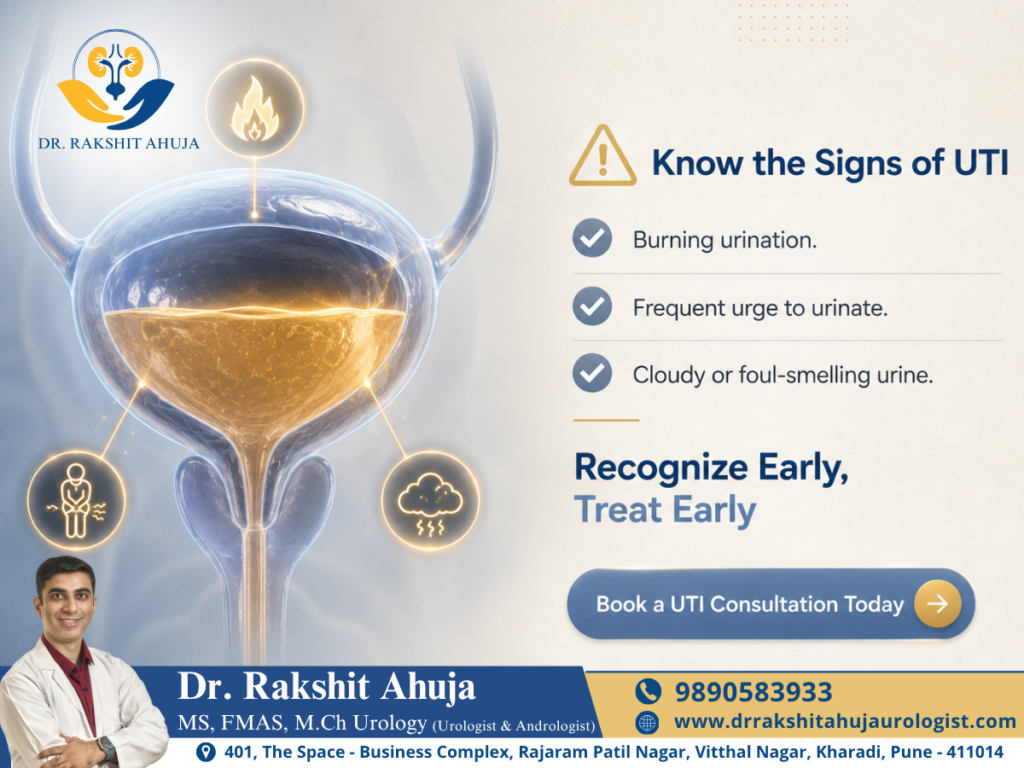
UTI warning signs and consultation with Dr. Rakshit Ahuja.
Best Urology Doctor in Pune, Blog, Urologist in Pune, Urology Doctor In Pune, UTI treatment in Pune

Know the Signs of UTI: Early Diagnosis Leads to Faster Recovery

Urinary Tract Infections (UTIs) are among the most common bacterial infections affecting both men and women. Although UTIs are more common in women, they can also occur in men, children, and older adults. Ignoring the early signs of a UTI can lead to kidney infections and other serious complications. Recognizing the symptoms early and seeking timely treatment is the best way to protect your urinary health. If you are experiencing burning during urination, frequent urination, or cloudy urine, consult Dr. Rakshit Ahuja, Urologist In Pune, for an accurate diagnosis and personalized treatment. As an experienced urologist, Dr. Rakshit Ahuja provides advanced care for urinary tract infections and other urological conditions using evidence-based treatment approaches. What is a Urinary Tract Infection (UTI)? A Urinary Tract Infection is caused by bacteria entering the urinary system, which includes the kidneys, ureters, bladder, and urethra. Most UTIs affect the bladder and urethra, but if left untreated, the infection can spread to the kidneys, causing more severe health problems. Early diagnosis and proper treatment help relieve symptoms quickly and prevent recurrent infections. Common Signs and Symptoms of UTI Recognizing the warning signs of a UTI can help you seek treatment before the infection worsens. Common symptoms include: Burning sensation while urinating Frequent urge to urinate Passing only small amounts of urine Cloudy or foul-smelling urine Blood in the urine Pain or pressure in the lower abdomen Fever and chills (especially in kidney infections) Pain in the lower back or side If you experience any of these symptoms, consult Dr. Rakshit Ahuja, Urologist In Pune, without delay. What Causes UTIs? UTIs usually occur when bacteria enter the urinary tract through the urethra and multiply inside the bladder. Several factors increase the risk of infection, including: Poor personal hygiene Holding urine for long periods Inadequate water intake Diabetes Kidney stones Enlarged prostate in men Pregnancy Use of urinary catheters Reduced immunity Understanding the underlying cause helps prevent future infections. How is a UTI Diagnosed? A proper diagnosis is essential before starting treatment. Dr. Rakshit Ahuja, Urologist In Pune, performs a detailed evaluation that may include: Medical history and symptom assessment Urine routine examination Urine culture and sensitivity test Ultrasound of the kidneys and bladder Additional imaging if recurrent infections are suspected These investigations help identify the infection, determine its severity, and guide the most effective treatment. Advanced UTI Treatment Options Treatment depends on the severity of the infection and the patient’s medical condition. Antibiotic Therapy Most uncomplicated UTIs are treated with antibiotics prescribed according to urine culture results. Completing the full course of medication is important to prevent recurrence and antibiotic resistance. Pain Relief and Supportive Care Your doctor may recommend medications to reduce burning during urination and relieve discomfort while the infection is healing. Hydration Drinking adequate water helps flush bacteria from the urinary tract and supports recovery. Treatment for Recurrent UTIs If you frequently experience UTIs, identifying and treating the underlying cause is essential. Conditions such as kidney stones, urinary obstruction, bladder dysfunction, or an enlarged prostate may need specialized treatment. Can UTIs Be Prevented? Yes. Simple lifestyle changes can significantly reduce your risk of developing a urinary tract infection. Helpful prevention tips include: Drink plenty of water every day. Do not delay urination. Maintain good personal hygiene. Urinate after sexual activity. Manage diabetes effectively. Avoid unnecessary use of antibiotics. Follow your doctor’s advice if you have recurrent infections. Preventive care is especially important for people who experience frequent UTIs. Why Choose Dr. Rakshit Ahuja? When searching for a trusted Urologist In Pune, choosing an experienced specialist ensures accurate diagnosis and effective treatment. Dr. Rakshit Ahuja, Urologist In Pune, offers comprehensive care for: Urinary Tract Infection (UTI) Kidney Stone Treatment Enlarged Prostate (BPH) Bladder Disorders Urinary Incontinence Prostate Diseases Male Urological Conditions Minimally Invasive Urological Procedures His patient-focused approach combines advanced diagnostic technology with personalized treatment plans to deliver the best possible outcomes. When Should You Visit a Urologist? Seek medical attention immediately if you have: Persistent burning during urination Blood in the urine High fever with urinary symptoms Severe lower abdominal or back pain Recurrent UTIs Difficulty passing urine Prompt evaluation helps prevent kidney damage and long-term urinary complications. Conclusion A urinary tract infection is a common but treatable condition. Ignoring early warning signs can allow the infection to spread and cause serious health problems. Recognizing symptoms such as burning urination, frequent urination, cloudy urine, and lower abdominal pain can help you seek treatment before complications develop. If you are looking for expert care from an experienced Urologist In Pune, consult Dr. Rakshit Ahuja, Urologist In Pune. With accurate diagnosis, advanced treatment options, and personalized care, he helps patients recover quickly while reducing the risk of recurrent infections. Book your appointment today and take the first step toward better urinary health. Frequently Asked Questions (FAQs) 1. What are the first signs of a UTI? The earliest signs include burning during urination, frequent urination, cloudy urine, and a strong urge to urinate. 2. Can a UTI go away without treatment? Some mild infections may improve, but most UTIs require medical treatment to prevent complications. 3. When should I consult a urologist? You should consult a urologist if symptoms persist, recur frequently, or are accompanied by fever, blood in the urine, or severe pain. 4. Can men develop UTIs? Yes. Although less common than in women, men can also develop UTIs, especially due to prostate enlargement or urinary obstruction. 5. How can I prevent recurrent UTIs? Drink enough water, maintain good hygiene, avoid holding urine, and seek medical evaluation to identify any underlying urinary problems.

Blood in urine awareness poster by Dr. Rakshit Ahuja.
Best Urology Doctor in Pune, Blog, Urologist in Pune, Urology Doctor In Pune, UTI treatment in Pune

Blood in Urine: Why You Should Never Ignore This Warning Sign

Seeing blood in your urine can be alarming, and it should never be ignored. Medically known as hematuria, blood in the urine can be a sign of various underlying conditions ranging from minor infections to serious kidney or urinary tract disorders. While some causes may be temporary and easily treatable, others require prompt medical attention and thorough evaluation. Many people delay seeking treatment because the symptom may disappear on its own or may not be associated with pain. However, even a single episode of blood in urine deserves proper medical assessment. Early diagnosis can help identify the underlying cause and prevent complications. If you experience blood in your urine, consulting Dr. Rakshit Ahuja, Urologist in Pune, can help ensure accurate diagnosis and timely treatment. What Is Hematuria? Hematuria refers to the presence of red blood cells in the urine. It can occur in two forms: Gross Hematuria In this condition, blood is visible to the naked eye, causing urine to appear pink, red, brown, or cola-colored. Microscopic Hematuria Blood is present in the urine but can only be detected through laboratory testing under a microscope. Both types require medical evaluation to determine the underlying cause. Common Causes of Blood in Urine Several conditions can lead to hematuria. Some are mild and temporary, while others may indicate a more serious medical problem. 1. Urinary Tract Infections (UTIs) A urinary tract infection is one of the most common causes of blood in urine. Infection can irritate the lining of the urinary tract, leading to bleeding. Symptoms may include: Burning sensation during urination Frequent urge to urinate Cloudy or foul-smelling urine Lower abdominal discomfort Prompt treatment with appropriate medication usually resolves the condition. 2. Kidney Stones Kidney stones can cause irritation and injury to the urinary tract as they move through the urinary system. Common symptoms include: Severe flank pain Blood in urine Nausea and vomiting Difficulty urinating Early diagnosis can help prevent complications and reduce discomfort. 3. Enlarged Prostate (BPH) In men, an enlarged prostate gland can sometimes cause blood in urine, especially when urinary obstruction or irritation occurs. Additional symptoms may include: Frequent urination Weak urine stream Difficulty starting urination Night-time urination 4. Bladder or Kidney Infections Infections affecting the bladder or kidneys can result in inflammation and bleeding within the urinary tract. Symptoms may include: Fever Chills Back pain Painful urination Immediate treatment is necessary to prevent the infection from spreading. 5. Kidney Disease Certain kidney disorders can cause microscopic or visible blood in urine. Examples include: Glomerulonephritis Chronic kidney disease Polycystic kidney disease Regular medical monitoring is essential for managing these conditions effectively. 6. Urinary Tract Tumors Although less common, blood in urine can be an early sign of bladder cancer, kidney cancer, or other urinary tract tumors. Risk factors include: Smoking Advanced age Exposure to certain chemicals Family history of cancer Early detection significantly improves treatment outcomes. Risk Factors for Hematuria Certain factors increase the likelihood of developing blood in urine. These include: Recurrent urinary tract infections Kidney stones Smoking Enlarged prostate Family history of kidney disease Chronic kidney disorders Intense physical exercise Certain medications Individuals with these risk factors should undergo timely urological evaluation if symptoms occur. Symptoms That May Accompany Blood in Urine The symptoms associated with hematuria often depend on the underlying cause. You may experience: Painful urination Frequent urination Urgency to urinate Lower abdominal pain Back or flank pain Fever and chills Difficulty passing urine Weak urine stream Any combination of these symptoms warrants prompt medical attention. When Should You See a Urologist? You should consult a urologist immediately if you notice: Visible blood in urine Recurrent episodes of hematuria Blood clots in urine Pain while urinating Severe abdominal or back pain Fever with urinary symptoms Difficulty emptying the bladder Even if the bleeding stops on its own, the underlying cause may still require treatment. How Is Blood in Urine Diagnosed? At the clinic of Dr. Rakshit Ahuja, Urologist in Pune, a comprehensive evaluation is performed to identify the exact cause of hematuria. Diagnostic investigations may include: Urine Analysis Urine testing helps detect blood, infection, protein, and other abnormalities. Blood Tests Blood investigations assess kidney function and identify signs of infection or systemic disease. Ultrasound An ultrasound can evaluate the kidneys, bladder, and prostate gland. CT Scan Advanced imaging provides detailed information about stones, tumors, and structural abnormalities. Cystoscopy A cystoscope is used to directly examine the bladder and urethra for abnormalities. These tests help ensure an accurate diagnosis and personalized treatment plan. Treatment Options for Hematuria Treatment depends entirely on the underlying cause. For Urinary Tract Infections Antibiotics Increased fluid intake Follow-up testing For Kidney Stones Hydration Medications Lithotripsy Endoscopic stone removal procedures For Enlarged Prostate Medication Lifestyle modifications Minimally invasive procedures Surgery when necessary For Kidney or Bladder Disorders Treatment is tailored according to the specific diagnosis and severity of the condition. Tips to Maintain Urinary Tract Health Preventive measures can help reduce the risk of urinary problems. Stay Hydrated Drinking adequate water helps flush bacteria and toxins from the urinary system. Avoid Smoking Smoking significantly increases the risk of bladder and kidney cancers. Maintain Good Hygiene Proper hygiene reduces the risk of urinary tract infections. Do Not Ignore Symptoms Early consultation can help prevent serious complications. Schedule Regular Checkups Routine urological assessments are especially important for individuals with recurrent urinary symptoms. Expert Urological Care with Dr. Rakshit Ahuja Blood in urine is never normal and should always be evaluated by a qualified specialist. Whether the cause is a simple infection or a more complex urological condition, early diagnosis greatly improves treatment outcomes. If you notice blood in your urine or experience any urinary symptoms, consult Dr. Rakshit Ahuja, Urologist in Pune for comprehensive diagnosis and advanced treatment. With expertise in managing kidney stones, urinary tract infections, prostate disorders, and other urological conditions, Dr. Rakshit Ahuja provides personalized care focused on long-term urinary health.

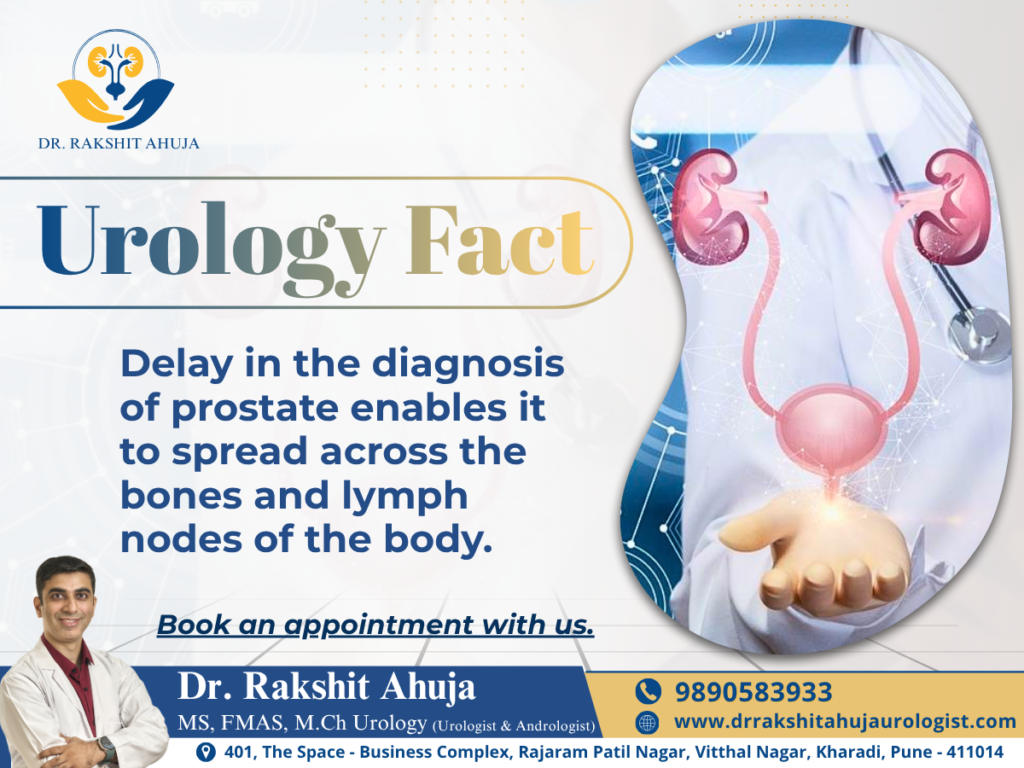
Awareness graphic about delayed prostate cancer diagnosis and urology care.
Best Urology Doctor in Pune, Urologist in Pune, Urology Doctor In Pune

Delay in Prostate Cancer Diagnosis Can Increase Serious Health Risks – Expert Advice by Dr. Rakshit Ahuja, Urologist in Pune

Prostate cancer is one of the most common cancers affecting men, especially after the age of 50. Unfortunately, many people ignore early symptoms or delay medical consultation due to lack of awareness, fear, or embarrassment. Delayed diagnosis of prostate cancer can allow the disease to spread to nearby tissues, bones, and lymph nodes, making treatment more difficult and increasing health complications. According to Dr. Rakshit Ahuja, Urologist in Pune, early detection plays a crucial role in successful treatment and long-term recovery. Timely diagnosis not only improves treatment outcomes but also helps preserve overall quality of life. What is Prostate Cancer? The prostate is a small gland located below the bladder in men. It helps produce seminal fluid that nourishes and transports sperm. Prostate cancer develops when abnormal cells begin to grow uncontrollably inside the prostate gland. In the early stages, prostate cancer may grow slowly and may not show noticeable symptoms. However, as the condition progresses, it can spread to other parts of the body, particularly the bones and lymph nodes. At Dr. Rakshit Ahuja, Urologist in Pune, patients receive advanced evaluation and personalized care for prostate-related conditions and urological disorders. Why Early Diagnosis is Important One of the biggest challenges with prostate cancer is that symptoms often appear late. Many men continue ignoring urinary changes or discomfort until the disease becomes advanced. When prostate cancer is diagnosed early: Treatment is usually more effective Chances of recovery are significantly higher Risk of cancer spreading is lower Less aggressive treatment may be required Quality of life can be better maintained Delayed diagnosis, on the other hand, can lead to complications such as severe bone pain, urinary obstruction, kidney problems, and cancer spread to lymph nodes or distant organs. According to Dr. Rakshit Ahuja, Urologist in Pune, regular prostate screening is extremely important for men above 50 years of age and for those with a family history of prostate cancer. Common Symptoms of Prostate Cancer Many prostate cancer symptoms are related to urinary problems. Some common warning signs include: Frequent urination, especially at night Difficulty starting or stopping urination Weak urine flow Burning sensation during urination Blood in urine or semen Pain in the lower back, hips, or pelvis Erectile dysfunction Unexplained weight loss These symptoms do not always indicate cancer, but they should never be ignored. Consulting Dr. Rakshit Ahuja, Urologist in Pune can help identify the exact cause and begin appropriate treatment if needed. How Prostate Cancer Spreads If prostate cancer remains untreated for a long time, cancer cells can spread beyond the prostate gland. This process is known as metastasis. The most common areas where prostate cancer spreads include: 1. Bones Bone metastasis is very common in advanced prostate cancer. It may cause severe pain, fractures, and reduced mobility. 2. Lymph Nodes Cancer cells may spread through lymphatic channels and affect nearby lymph nodes. 3. Nearby Organs In advanced stages, prostate cancer can affect surrounding tissues such as the bladder or rectum. According to Dr. Rakshit Ahuja, Urologist in Pune, early diagnosis greatly reduces the risk of cancer spreading to these areas. Risk Factors for Prostate Cancer Certain factors can increase the risk of developing prostate cancer, including: Age above 50 years Family history of prostate cancer Obesity Unhealthy diet Smoking Lack of physical activity Men with these risk factors should undergo regular urological check-ups for early detection and prevention. Diagnosis of Prostate Cancer Modern medical technology allows prostate cancer to be diagnosed accurately and effectively. Common diagnostic methods include: PSA Blood Test The Prostate-Specific Antigen (PSA) test helps identify abnormal prostate activity. Digital Rectal Examination (DRE) This examination allows the doctor to assess the size and condition of the prostate gland. MRI and Imaging Advanced imaging helps evaluate suspicious areas and cancer spread. Prostate Biopsy A biopsy confirms the presence of cancer cells and determines cancer severity. At Dr. Rakshit Ahuja, Urologist in Pune, patients benefit from advanced diagnostic techniques and comprehensive prostate evaluations. Treatment Options for Prostate Cancer Treatment depends on the stage, severity, and overall health of the patient. Some common treatment options include: Active surveillance for slow-growing cancer Surgery (Prostatectomy) Radiation therapy Hormone therapy Chemotherapy Targeted therapy Early-stage cancers usually respond very well to treatment. Delayed diagnosis often requires more aggressive therapies and prolonged treatment. Importance of Regular Health Check-Ups Many men avoid routine medical examinations because they do not experience symptoms. However, preventive screening is the best way to detect prostate cancer early. Dr. Rakshit Ahuja, Urologist in Pune advises men over 50 years and high-risk individuals to schedule regular prostate health evaluations. Early intervention can save lives and prevent serious complications. Why Choose Dr. Rakshit Ahuja, Urologist in Pune? Dr. Rakshit Ahuja is known for offering expert urological care with a patient-centered approach. From prostate health management to advanced urological treatments, patients receive personalized attention, accurate diagnosis, and modern treatment solutions. With extensive experience in urology and andrology, Dr. Rakshit Ahuja, Urologist in Pune focuses on early detection, preventive care, and advanced treatment methods to help patients maintain better urinary and prostate health. Conclusion Delaying the diagnosis of prostate cancer can increase the risk of cancer spreading to bones, lymph nodes, and other organs. Recognizing symptoms early and seeking timely medical consultation can improve treatment success and overall quality of life. If you are experiencing urinary symptoms or want a preventive prostate health check-up, consult Dr. Rakshit Ahuja, Urologist in Pune for expert evaluation and compassionate care.

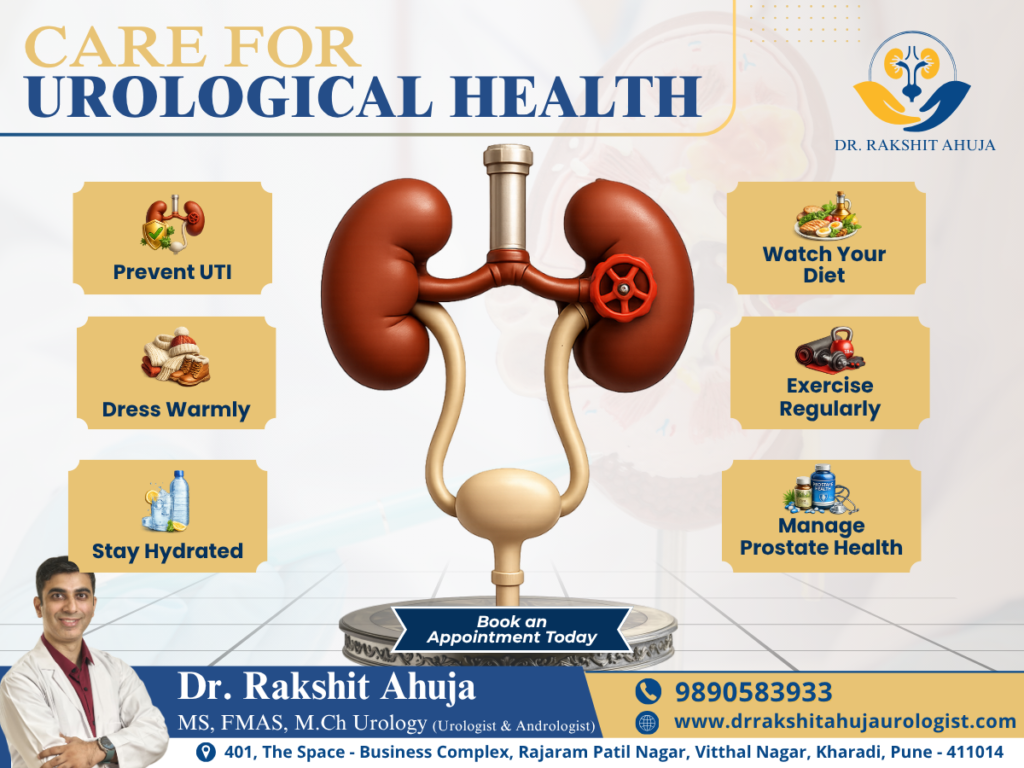
Illustration of kidneys and urinary system with urological health tips including hydration, UTI prevention, diet, exercise, and prostate care by Dr. Rakshit Ahuja, Urologist in Pune.
Best Urology Doctor in Pune, Urologist in Pune, Urology Doctor In Pune, UTI treatment in Pune

Care for Urological Health: A Complete Guide by Dr. Rakshit Ahuja, Urologist in Pune

Maintaining good urological health is essential for overall well-being, yet it is often overlooked until problems arise. The urinary system—including the kidneys, ureters, bladder, and urethra—plays a crucial role in removing waste and balancing fluids in the body. As a leading Urologist in Pune and Kidney Specialist in Pune, Dr. Rakshit Ahuja, Urologist in Pune, emphasizes the importance of preventive care and early intervention to avoid serious complications. Why Urological Health Matters Your kidneys filter toxins from the blood, regulate blood pressure, and maintain electrolyte balance. Any disruption in this system can lead to conditions such as urinary tract infections (UTIs), kidney stones, prostate issues, or chronic kidney disease. Ignoring early symptoms like burning urination, frequent urination, or lower abdominal pain can result in more severe health concerns. Key Tips to Maintain Urological Health 1. Stay Hydrated Drinking adequate water is one of the simplest yet most effective ways to maintain urinary health. Proper hydration helps flush out toxins, reduces the risk of kidney stones, and prevents infections. Aim for at least 2–3 liters of water daily unless advised otherwise by your doctor. 2. Prevent Urinary Tract Infections (UTIs) UTIs are common but preventable. Maintain proper hygiene, avoid holding urine for long periods, and ensure adequate hydration. Women are more prone to UTIs, but men can also be affected. Early consultation with a Kidney Specialist in Pune like Dr. Rakshit Ahuja can help manage symptoms effectively. 3. Follow a Balanced Diet Your diet directly impacts your kidney and bladder health. Reduce excessive salt, processed foods, and sugar intake. Include fresh fruits, vegetables, and fiber-rich foods. Limiting oxalate-rich foods (like spinach and nuts) may help prevent kidney stones in susceptible individuals. 4. Exercise Regularly Physical activity improves blood circulation, supports kidney function, and helps maintain a healthy weight. Obesity is a risk factor for kidney disease and urinary problems. Even moderate activities like walking, yoga, or cycling can make a significant difference. 5. Dress Appropriately in Cold Weather Cold temperatures can increase the urge to urinate and sometimes worsen urinary symptoms. Dressing warmly helps maintain body temperature and reduces the risk of infections. 6. Manage Prostate Health For men, especially those above 50, prostate health becomes increasingly important. Conditions like benign prostatic hyperplasia (BPH) can cause difficulty in urination. Regular check-ups with a trusted Urologist in Pune like Dr. Rakshit Ahuja, Urologist in Pune can help detect and manage prostate issues early. Common Urological Conditions Kidney Stones: Caused by mineral buildup, leading to severe pain and discomfort. Urinary Tract Infections (UTIs): Bacterial infections affecting any part of the urinary system. Prostate Enlargement: Common in aging men, affecting urine flow. Chronic Kidney Disease (CKD): A gradual loss of kidney function over time. Recognizing symptoms early and seeking timely medical advice is key to preventing complications. When to See a Urologist You should consult a specialist if you experience: Painful or burning urination Blood in urine Frequent urge to urinate Lower back or abdominal pain Difficulty in urination Ignoring these signs can delay diagnosis and treatment. Consulting an experienced Kidney Specialist in Pune ensures accurate diagnosis and effective management. Importance of Regular Check-Ups Routine health screenings help identify potential issues before they become serious. Individuals with diabetes, hypertension, or a family history of kidney disease should undergo regular kidney function tests. Early detection significantly improves treatment outcomes. Personalized Care with Dr. Rakshit Ahuja At Dr. Rakshit Ahuja, Urologist in Pune, patient care is centered on advanced diagnostics, evidence-based treatments, and a compassionate approach. Whether it’s managing kidney stones, treating infections, or addressing prostate concerns, patients receive comprehensive care tailored to their needs. Final Thoughts Urological health is an integral part of your overall wellness. Simple lifestyle changes like staying hydrated, eating a balanced diet, and exercising regularly can go a long way in preventing serious conditions. Don’t ignore early warning signs—timely consultation with a trusted Urologist in Pune can make all the difference. If you’re looking for expert care, Dr. Rakshit Ahuja, Urologist in Pune is committed to helping you maintain optimal urinary health with personalized treatment and modern medical solutions. Take charge of your health today—because prevention is always better than cure.

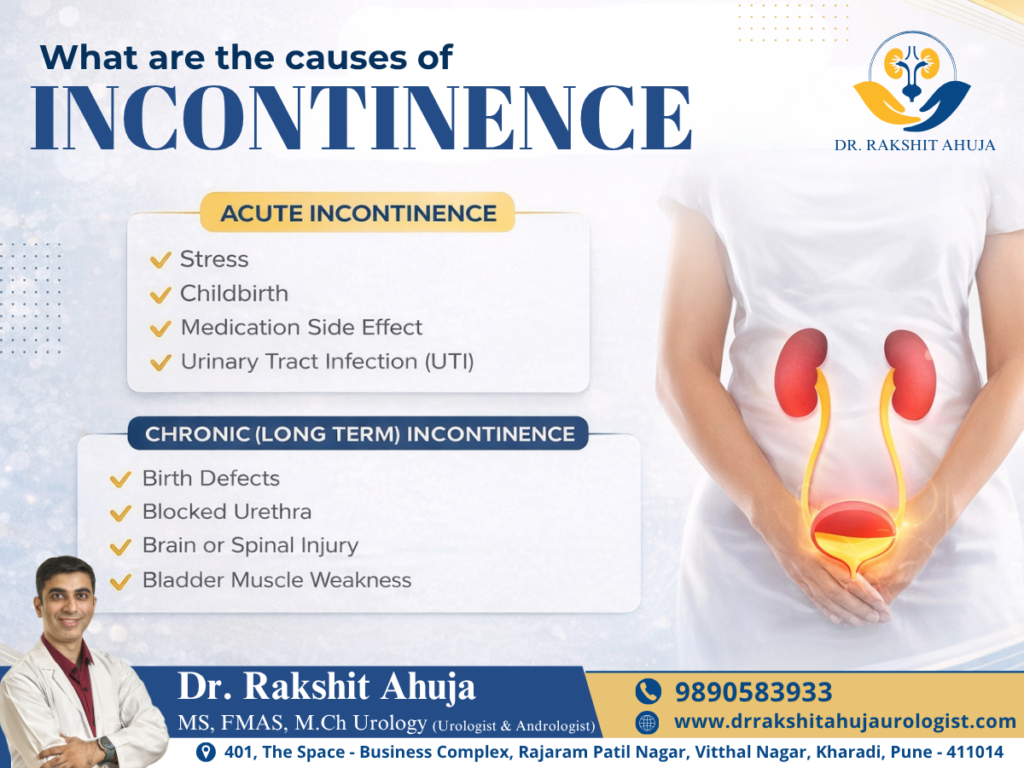
Causes of urinary incontinence showing acute and chronic factors with bladder illustration by Dr. Rakshit Ahuja, Urologist in Pune.
Best Urology Doctor in Pune, Urologist in Pune, Urology Doctor In Pune, UTI treatment in Pune

What Are the Causes of Incontinence? A Complete Guide by Dr. Rakshit Ahuja, Urologist in Pune

Urinary incontinence is a common yet often misunderstood condition that affects people of all ages. It refers to the loss of bladder control, leading to accidental leakage of urine. While many individuals feel embarrassed to discuss it, incontinence is a medical condition that can be effectively treated with proper care and guidance. In this blog, Dr. Rakshit Ahuja, Urologist in Pune, explains the major causes of incontinence, helping you understand when to seek expert help and how timely treatment can improve your quality of life. What Is Urinary Incontinence? Urinary incontinence occurs when you lose control over your bladder. It may range from occasional leakage while coughing or sneezing to a sudden, uncontrollable urge to urinate. There are different types of incontinence, including: Stress incontinence Urge incontinence Overflow incontinence Functional incontinence Identifying the underlying cause is the first step toward effective treatment. If you are looking for expert UTI treatment in Pune or advanced bladder care, consulting a specialist is essential. Causes of Acute (Temporary) Incontinence Acute incontinence is usually short-term and often reversible once the underlying issue is treated. 1. Stress Physical stress on the bladder can cause leakage, especially during activities like coughing, laughing, sneezing, or lifting heavy objects. This is more common in women due to weakened pelvic floor muscles. 2. Childbirth Pregnancy and vaginal delivery can stretch and weaken the pelvic floor muscles and nerves that control the bladder. This can lead to temporary or sometimes long-term incontinence. 3. Medication Side Effects Certain medications such as diuretics, sedatives, or blood pressure drugs can affect bladder function. They may increase urine production or interfere with bladder control, leading to temporary leakage. 4. Urinary Tract Infection (UTI) A Urinary Tract Infection (UTI) is one of the most common causes of sudden incontinence. It can irritate the bladder, causing a strong urge to urinate and sometimes leakage before reaching the toilet. If you experience burning sensation, frequent urination, or discomfort, seeking timely UTI treatment in Pune from Dr. Rakshit Ahuja, Urologist in Pune can help prevent complications. Causes of Chronic (Long-Term) Incontinence Chronic incontinence develops over time and may require long-term management or treatment. 1. Birth Defects Certain congenital conditions can affect the structure or function of the urinary system, leading to lifelong bladder control issues. 2. Blocked Urethra A blockage in the urethra, such as kidney stones or an enlarged prostate in men, can prevent normal urine flow. This may result in overflow incontinence, where the bladder cannot empty completely. 3. Brain or Spinal Injury The brain and spinal cord play a crucial role in bladder control. Any injury or neurological condition such as stroke, Parkinson’s disease, or spinal cord injury can disrupt signals between the brain and bladder, leading to incontinence. 4. Bladder Muscle Weakness As we age, the bladder muscles may weaken, reducing their ability to hold urine effectively. This can lead to frequent leakage and urgency. Risk Factors for Incontinence Certain factors increase the likelihood of developing urinary incontinence: Aging Obesity Chronic cough Smoking Diabetes Hormonal changes (especially in women) Understanding these risk factors can help in early detection and prevention. When Should You See a Urologist? You should not ignore symptoms of incontinence, especially if they: Occur frequently Affect your daily activities Cause embarrassment or discomfort Are associated with pain or burning sensation Early diagnosis can prevent the condition from worsening. Consulting Dr. Rakshit Ahuja, Urologist in Pune ensures accurate evaluation and personalized treatment. Diagnosis and Treatment Options The treatment of incontinence depends on its cause and severity. A urologist may recommend: Diagnosis: Urine tests Ultrasound Bladder function tests Physical examination Treatment Options: Lifestyle modifications Pelvic floor exercises (Kegel exercises) Medications Bladder training Minimally invasive procedures or surgery (if required) For patients dealing with infections, expert UTI treatment in Pune is crucial to eliminate the root cause and restore bladder health. Tips to Prevent Incontinence While not all cases can be prevented, certain lifestyle changes can reduce the risk: Maintain a healthy weight Practice pelvic floor exercises regularly Stay hydrated but avoid excessive caffeine Quit smoking Treat UTIs promptly Follow a balanced diet These small steps can make a significant difference in maintaining bladder control. Why Choose Dr. Rakshit Ahuja? When it comes to urological health, choosing the right specialist is key. Dr. Rakshit Ahuja, Urologist in Pune, is known for providing comprehensive care with a patient-focused approach. Whether you are dealing with urinary incontinence, kidney stones, or need reliable UTI treatment in Pune, you can expect: Accurate diagnosis Advanced treatment options Personalized care plans Compassionate support Conclusion Urinary incontinence is a manageable condition, and understanding its causes is the first step toward recovery. Whether it is temporary due to a UTI or a chronic issue requiring long-term care, timely intervention can significantly improve your quality of life. If you are experiencing symptoms of incontinence, do not hesitate to consult Dr. Rakshit Ahuja, Urologist in Pune. With the right guidance and treatment, you can regain control and confidence in your daily life.

Scroll to Top