Select an element to maximize. Press ESC to cancel.
When Should You Visit a Urologist for Kidney Stones?
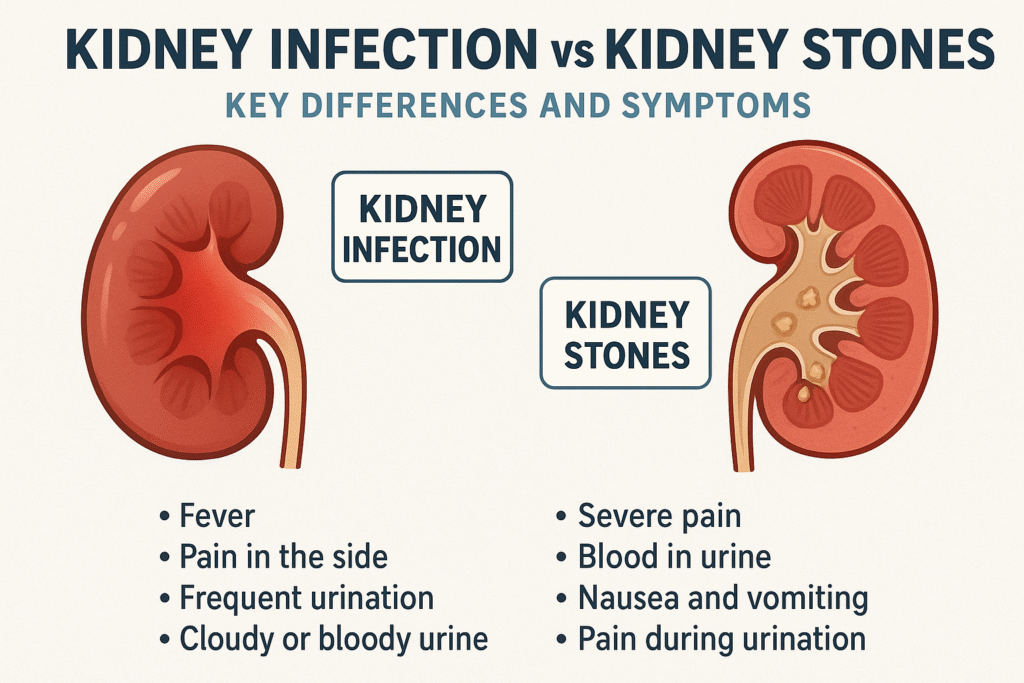
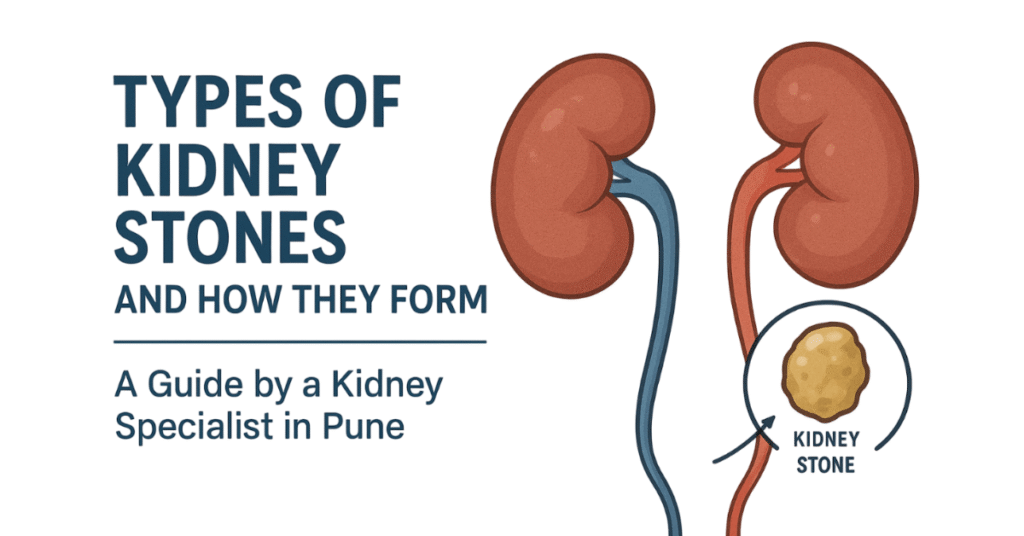
Kidney stones are one of the most common and painful urological conditions affecting people of all ages. While small stones may pass naturally with hydration and medication, larger or complicated stones require expert care. Knowing when to visit a Urologist In Pune can prevent severe pain, infection, and long-term kidney damage. If you are experiencing symptoms or have been diagnosed with kidney stones, consulting an experienced Urology Doctor at the right time can make a significant difference in your recovery. What Are Kidney Stones? Kidney stones are hard mineral and salt deposits that form inside the kidneys. They develop when urine becomes concentrated, allowing minerals like calcium, oxalate, and uric acid to crystallize and stick together. Some stones remain small and pass unnoticed. Others can grow larger and block the urinary tract, causing intense pain and complications that require specialized Kidney Stone Treatment . Common Symptoms of Kidney Stones Kidney stone symptoms can range from mild discomfort to severe, unbearable pain. You should not ignore the following warning signs: Sharp pain in the lower back or side Pain radiating to the lower abdomen or groin Burning sensation during urination Blood in urine (pink, red, or brown urine) Frequent urge to urinate Nausea and vomiting Fever and chills (may indicate infection) If you experience severe pain or symptoms that worsen, it is important to visit a Kidney Specialist In Pune immediately. When Should You See a Urologist for Kidney Stones? While mild symptoms can sometimes be managed with hydration and prescribed medications, certain situations require immediate medical attention. 1. Severe or Unbearable Pain Kidney stone pain is often described as one of the most intense pains a person can experience. If over-the-counter pain relievers do not help or the pain becomes unbearable, you should consult a Urologist without delay. Persistent pain may indicate that the stone is blocking the ureter (the tube connecting the kidney to the bladder), which needs medical intervention. 2. Blood in Urine If you notice blood in your urine, even in small amounts, do not ignore it. While kidney stones can cause bleeding due to irritation, blood in urine may also indicate other serious urinary conditions. A qualified Urology Doctor In Pune can diagnose the exact cause through proper evaluation. 3. Fever and Chills Fever combined with kidney stone symptoms can signal a urinary tract infection (UTI). This is a medical emergency because infection along with obstruction can spread to the bloodstream. In such cases, immediate Kidney Stone Treatment In Pune is crucial to prevent life-threatening complications. 4. Difficulty Passing Urine If you are unable to pass urine or experience significantly reduced urine output, the stone may be causing a blockage. Complete urinary obstruction can damage the kidney and requires urgent care from a Kidney Specialist In Pune. 5. Recurrent Kidney Stones If you have had kidney stones before, your risk of developing them again is higher. Recurrent stones indicate an underlying metabolic or dietary issue. A Urologist can perform detailed tests to identify the cause and recommend preventive strategies. 6. Stones Larger Than 5-6 mm Small stones (less than 5 mm) often pass naturally. However, larger stones usually require medical procedures such as: ESWL (Shockwave Lithotripsy) URS (Ureteroscopy) Laser stone removal PCNL (Percutaneous Nephrolithotomy) An experienced Urology Doctor In Pune can determine the most suitable treatment based on the size, location, and type of stone. Why Early Consultation Matters Many patients delay visiting a doctor, hoping the stone will pass on its own. However, untreated kidney stones can lead to: Kidney infections Permanent kidney damage Severe dehydration Recurrent urinary problems Early diagnosis ensures quicker relief, less invasive treatment, and better long-term kidney health. Seeking expert Kidney Stone Treatment In Pune at the right time reduces complications and hospital stays. Diagnosis and Evaluation When you visit a Kidney Specialist, the doctor may recommend: Ultrasound CT Scan Urine tests Blood tests Stone analysis (if passed) These investigations help identify the stone type and underlying causes, allowing personalized treatment planning. Prevention Tips After Treatment Even after successful treatment, lifestyle changes are essential to prevent recurrence: Drink 2.5–3 liters of water daily Reduce excess salt intake Limit oxalate-rich foods (spinach, nuts, chocolate) Maintain a balanced diet Avoid excessive protein consumption Follow prescribed medications regularly Regular follow-ups with a trusted Urologist In Pune help monitor kidney health and prevent future stone formation. When Is It an Emergency? Seek immediate medical care if you experience: High fever with stone pain Persistent vomiting Severe back pain that doesn’t improve Inability to urinate Symptoms of dehydration These signs require urgent evaluation by a skilled Urology Doctor to prevent serious complications. Conclusion Kidney stones can be extremely painful, but timely medical attention ensures safe and effective management. While some small stones may pass naturally, many cases require expert intervention. If you experience persistent pain, blood in urine, fever, or recurrent stones, do not delay seeking professional care. Consulting an experienced Kidney Specialist In Pune ensures accurate diagnosis and advanced Kidney Stone Treatment, helping you recover comfortably and prevent future complications. Your kidney health should never be ignored. Early consultation with a trusted Urologist In Pune, Dr. Rakshit Ahuja can protect your kidneys and restore your quality of life. Select an element to maximize. Press ESC to cancel. Select an element to maximize. Press ESC to cancel.
When Should You Visit a Urologist for Kidney Stones? Read More »