Dr. Rakshit Ahuja

Bladder Cancer Treatment

If you’re seeking the Best Bladder Cancer Treatment in Pune, look no further than Dr. Rakshit Ahuja. As the Best Urologist in Pune, Dr. Ahuja specializes in the accurate diagnosis and effective management of bladder cancer using the latest advancements in medical technology. From early detection to advanced treatments, Dr. Rakshit Ahuja provides a comprehensive approach to ensure optimal care and the best possible outcomes for his patients. Trust your health to a leader in urology and schedule a consultation today to learn more about bladder cancer treatment options.

Select an element to maximize. Press ESC to cancel.

Urologist In Pune

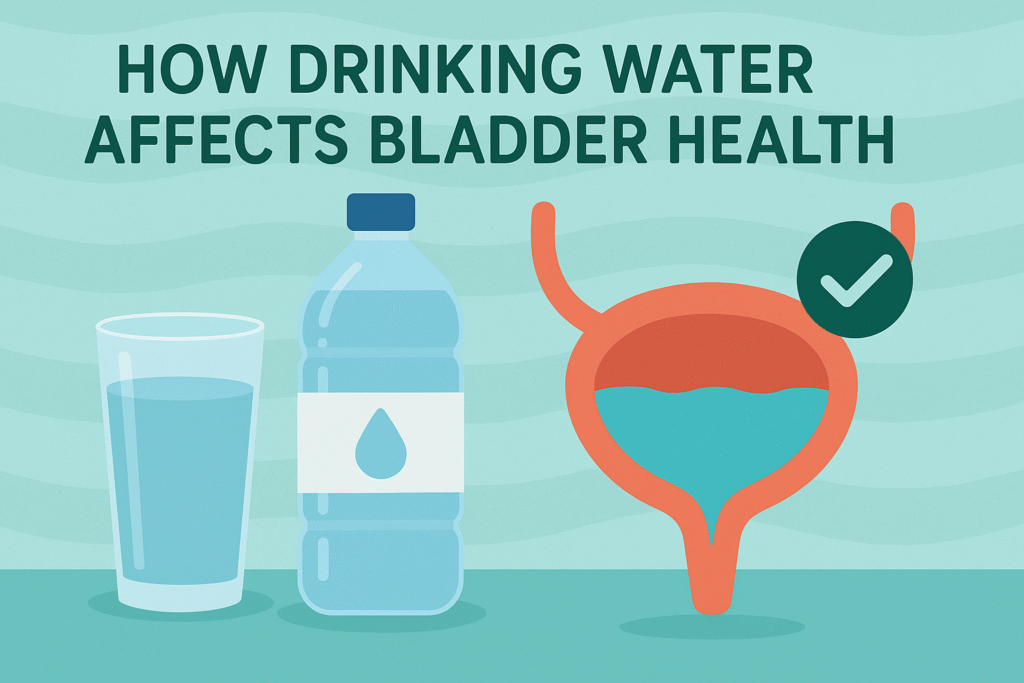
How Drinking Water Affects Bladder Health

Maintaining proper hydration is one of the simplest yet most effective ways to support overall urinary and bladder health. Your bladder plays a crucial role in removing waste and excess fluids from the body, and water acts as the key to keeping it functioning smoothly. However, the right amount and frequency of water intake matter. In this blog, Dr. Rakshit Ahuja, a leading Urologist In Pune, explains how drinking water affects bladder health and what you can do to maintain a healthy urinary system. Water Helps Flush Out Toxins Naturally One of the main roles of the urinary system is to eliminate waste products and toxins. Drinking enough water ensures that your kidneys and bladder can efficiently flush out bacteria, salts, and other impurities. When you stay well-hydrated, your urine becomes less concentrated, reducing the chances of infection and irritation in the bladder lining. On the other hand, dehydration can lead to darker, more concentrated urine, which can irritate the bladder and increase the risk of urinary tract infections (UTIs). Aim to drink 8–10 glasses of water daily unless otherwise advised by your doctor. Prevents Urinary Tract Infections (UTIs) UTIs are one of the most common urinary problems, especially among women. Drinking plenty of water helps dilute urine and ensures frequent urination, which flushes out bacteria before they cause an infection. This simple habit can significantly reduce the occurrence of bladder infections and discomfort during urination. Those who have a history of UTIs should be even more cautious about their water intake. Regular hydration is a natural preventive measure that supports a cleaner and healthier urinary tract. Balancing Water Intake is Important While drinking water is essential, too much of it can sometimes cause problems. Overhydration may lead to frequent urination, urgency, or even mild bladder strain. It’s important to strike a balance — drink water steadily throughout the day instead of consuming large amounts at once. Listening to your body is key. If your urine is light yellow, it’s a good sign that you’re hydrated well. Constantly needing to visit the bathroom could indicate you’re drinking more water than necessary. How Dehydration Affects Bladder Health When your body doesn’t get enough water, your bladder becomes more vulnerable to irritation. Dehydration can make your urine more acidic and concentrated, which can lead to inflammation and discomfort. People who experience burning sensations or urgency during urination might be dehydrated. Chronic dehydration also increases the risk of developing kidney stones — small, hard mineral deposits that can block urinary flow and cause severe pain. Thus, consistent water intake helps prevent stone formation and maintains smoother bladder function. Water and Bladder Control Many people mistakenly reduce their water intake because of urinary leakage or incontinence. However, not drinking enough water can worsen these symptoms. Concentrated urine can irritate the bladder and increase the urge to urinate frequently. Drinking adequate amounts of water helps maintain bladder elasticity and control. People with overactive bladder (OAB) should not avoid hydration but rather learn to manage it wisely by drinking smaller amounts consistently throughout the day. Role of Diet Alongside Water Intake Your diet also influences bladder health along with hydration. Avoiding bladder irritants like caffeine, alcohol, and spicy foods can reduce strain on the bladder. Combining a balanced diet with steady water intake keeps your urinary tract in better shape. Including water-rich foods like cucumbers, watermelon, and oranges also contributes to overall hydration, improving kidney and bladder performance naturally. Importance of Routine Check-Ups Even if you maintain good hydration, bladder issues can occur due to infections, stones, or other underlying problems. Regular consultations with a Urology Doctor In Pune can help identify early symptoms and prevent complications. Urologists can recommend customized water intake routines based on your health condition, lifestyle, and bladder sensitivity. Early diagnosis and guidance from an expert can help maintain long-term bladder and urinary wellness. Personalized Advice for Hydration and Bladder Care Hydration needs vary from person to person. Factors such as physical activity, temperature, diet, and medical conditions affect how much water you need. Consulting a Urologist In Pune can help determine your ideal water intake to support bladder health without overloading the system. If you notice symptoms such as pain while urinating, blood in urine, or frequent urge to urinate, it’s crucial to get evaluated by a qualified Urology Doctor In Pune. Proper medical advice ensures that your hydration supports your health rather than causing discomfort. Expert Advice from Dr. Rakshit Ahuja Dr. Rakshit Ahuja, one of the most trusted Urologists in Pune, emphasizes that maintaining optimal hydration is a cornerstone of bladder health. According to him, water helps not only in flushing toxins but also in preventing infections and improving bladder control. He recommends maintaining a steady intake of clean water throughout the day and avoiding excessive consumption of caffeinated or sugary beverages. His expert advice reminds us that small lifestyle changes — like drinking enough water — can prevent major urological issues in the future. Key Takeaways for a Healthy Bladder Drink 8–10 glasses of water daily. Monitor urine color; light yellow is ideal. Avoid overhydration and bladder irritants. Include water-rich foods in your diet. Consult your urologist for personalized advice. Good hydration is not just about drinking water — it’s about drinking it right. Keeping your bladder healthy starts with understanding your body’s needs and acting on expert advice. Conclusion Your bladder health is deeply connected to your hydration habits. Water helps cleanse, balance, and protect your urinary system. Following expert tips from professionals like Dr. Rakshit Ahuja, you can ensure your bladder functions efficiently and remains free of infections or irritation. Remember, a simple glass of water can go a long way in keeping your bladder — and your entire urinary system — healthy.  Book an Appointment: 98905 83933  Visit Our Website: www.drrakshitahujaurologist.com Select an element to maximize. Press ESC to cancel. Select an element to maximize. Press ESC to cancel. Select an element to maximize. Press ESC to cancel.

How Drinking Water Affects Bladder Health Read More »

Bladder Cancer Treatment In Pune

Bladder Cancer Myths vs. Facts: Separating Truth from Misconception

Bladder cancer is one of the more common cancers affecting the urinary system, yet it remains surrounded by myths and misinformation. Misunderstandings about the disease can lead to delayed diagnosis, inappropriate treatments, or unnecessary anxiety. Dr. Rakshit Ahuja, a leading Urologist In Pune, emphasizes the importance of separating facts from fiction to ensure timely intervention and effective care. Myth 1: Only Older Men Get Bladder Cancer A widespread misconception is that bladder cancer only affects older men. While it is true that men over 55 are at a higher risk, bladder cancer can occur in women and younger adults as well. Risk factors include smoking, chemical exposure, chronic bladder irritation, and family history. Understanding that bladder cancer does not discriminate by gender or age is crucial for early detection. Fact: Everyone, regardless of age or gender, should be aware of the symptoms and consult a Urologist if they notice signs such as blood in urine, frequent urination, or painful urination. Early evaluation can significantly improve outcomes. Myth 2: Blood in Urine Always Means Bladder Cancer Many people panic when they notice blood in their urine, assuming it is a sign of bladder cancer. While hematuria (blood in urine) can indeed indicate bladder cancer, it is more often caused by infections, kidney stones, or other urinary conditions. Fact: Persistent or unexplained hematuria should never be ignored. Consulting a Urologist can help differentiate between benign causes and potential malignancies, ensuring timely diagnosis and management. Bladder Cancer Treatment can range from minimally invasive procedures to more extensive surgery, depending on the stage and type of cancer. Early detection significantly enhances the success rates of these treatments. Myth 3: Bladder Cancer Is Always Fatal Bladder cancer is often feared as a deadly disease. While it can be life-threatening, many bladder cancers are detected at an early stage when they are highly treatable. Superficial bladder cancers, in particular, have excellent survival rates when managed appropriately. Fact: Survival depends on the stage at diagnosis, the patient’s overall health, and the treatment plan. An expert in Bladder Cancer Treatment, advises regular check-ups and prompt attention to urinary symptoms for better prognosis. Myth 4: Surgery Is the Only Option Another common myth is that bladder cancer always requires radical surgery, such as removing the bladder. While surgery is a mainstay for certain cases, there are multiple treatment options available today, including intravesical therapy, chemotherapy, immunotherapy, and minimally invasive procedures. Fact: Bladder Cancer Treatment is highly individualized. Depending on tumor size, type, and stage, less invasive approaches can be effective, preserving bladder function and quality of life. A Urologist can recommend the best treatment strategy based on the patient’s condition. Myth 5: Lifestyle Changes Can Cure Bladder Cancer Some believe that lifestyle modifications like diet changes, herbal supplements, or home remedies can cure bladder cancer. While a healthy lifestyle can support overall well-being and reduce recurrence risks, it cannot replace medical treatment. Fact: Evidence-based medical interventions remain the cornerstone of Bladder Cancer Treatment. Complementary approaches can be used alongside treatment but should never be considered a standalone cure. Regular follow-ups with a Urologist are essential to monitor treatment response and prevent recurrence. Myth 6: Only Smokers Get Bladder Cancer Smoking is a significant risk factor for bladder cancer, but it is not the only cause. Exposure to certain chemicals, chronic urinary infections, and even genetic predispositions can increase risk in non-smokers. Fact: While quitting smoking is crucial, all individuals, regardless of smoking history, should be attentive to urinary symptoms. Early consultation with a Urologist can help identify issues before they progress. Myth 7: Bladder Cancer Recurs Less Frequently Some people assume that once treated, bladder cancer is unlikely to return. In reality, bladder cancer has a high recurrence rate, particularly superficial types, which may require regular cystoscopy to monitor for new growths. Fact: Continuous surveillance is a critical component of Bladder Cancer Treatment. Dr. Rakshit Ahuja emphasizes that even after successful treatment, follow-ups are essential to detect and manage recurrences promptly. Myth 8: Bladder Cancer Is Always Painful Many assume that bladder cancer always causes pain. Early-stage bladder cancer is often painless, and the first sign may simply be blood in urine without discomfort. Fact: Lack of pain does not mean absence of disease. Recognizing subtle symptoms and seeking consultation with a Urologist In Pune can lead to early diagnosis and better treatment outcomes. Conclusion Bladder cancer is a serious but manageable disease when understood correctly. Separating myths from facts empowers patients to take timely action, seek expert guidance, and improve their prognosis. Dr. Rakshit Ahuja, a trusted Urologist In Pune, highlights that awareness, early detection, and personalized Bladder Cancer Treatment In Pune are key to effectively managing this condition. Awareness, education, and regular medical consultation are vital tools in combating misinformation. By debunking these common myths and embracing factual knowledge, patients can make informed decisions and maintain hope throughout their treatment journey. 📞 Book an Appointment: 98905 83933 🌐 Visit Our Website: www.drrakshitahujaurologist.com Select an element to maximize. Press ESC to cancel.

Bladder Cancer Myths vs. Facts: Separating Truth from Misconception Read More »

Bladder Cancer Treatment In Pune

How Bladder Cancer Affects Daily Life: What Patients Should Know

Bladder cancer is a serious health condition that impacts not just the physical health of a patient but also their emotional and social well-being. While early diagnosis and treatment can greatly improve outcomes, understanding how this disease affects daily life is essential for patients and their families. A leading Urologist In Pune, emphasizes that knowledge and proactive management play a key role in improving quality of life during and after Bladder Cancer Treatment In Pune. The Physical Impact of Bladder Cancer One of the most immediate and noticeable ways bladder cancer affects daily life is through changes in urinary function. The bladder’s main role is to store and release urine, and cancer can cause frequent urination, urgency, pain during urination, and even blood in the urine (hematuria). These symptoms not only cause discomfort but can interfere with routine activities such as working, driving, or socializing. Fatigue is another common symptom experienced by bladder cancer patients. Cancer itself, along with treatments like chemotherapy or radiation therapy, can cause significant tiredness, leaving patients struggling with everyday tasks that once seemed effortless. Patients may find it difficult to maintain their regular work schedule, manage household chores, or engage in recreational activities. Emotional and Mental Health Challenges A diagnosis of bladder cancer brings with it not only physical challenges but also significant emotional stress. Many patients report feelings of anxiety, depression, and fear of the unknown, especially when faced with treatment decisions and concerns about survival. The fear of recurrence or the possibility of permanent changes in body function, such as the need for a urostomy (a surgically created opening for urine drainage), can weigh heavily on a patient’s mind. Dr. Ahuja advises that patients should seek emotional support from mental health professionals or join bladder cancer support groups where they can share experiences with others facing similar challenges. This approach helps reduce feelings of isolation and provides patients with coping strategies to manage their mental well-being. Dietary and Lifestyle Adjustments Bladder cancer and its treatment often require patients to make dietary and lifestyle changes to support their overall health and recovery. A balanced diet rich in fruits, vegetables, and lean proteins is recommended to help strengthen the immune system and maintain energy levels. Patients undergoing chemotherapy may experience nausea, loss of appetite, or mouth sores, making proper nutrition an ongoing challenge. Smoking is one of the leading risk factors for bladder cancer, and patients who smoke are strongly advised to quit. A trusted Urology Doctor In Pune, emphasizes smoking cessation as a crucial part of both prevention and treatment. In addition, staying well-hydrated helps maintain bladder function and flush out harmful substances, which is particularly important for patients after surgery or chemotherapy. Impact on Work and Social Life Bladder cancer can disrupt a patient’s ability to work, especially if they experience fatigue or need frequent medical appointments. Some jobs that require physical labor may become difficult to perform, while office workers may struggle with frequent bathroom visits. Flexible work arrangements or medical leave may be necessary to allow the patient to focus on recovery. Social life is also affected, as patients may feel self-conscious about urinary symptoms or body image changes after surgery. This can lead to withdrawal from social interactions and feelings of loneliness. Dr. Rakshit Ahuja recommends that patients communicate openly with their family and friends about their condition to foster understanding and support. Additionally, seeking professional counseling can help patients rebuild their confidence and maintain meaningful social connections. Bladder Cancer Treatment Options in Pune When it comes to Bladder Cancer Treatment In Pune, patients have access to a range of advanced medical options tailored to individual needs. Treatments include surgery (such as transurethral resection of bladder tumor or radical cystectomy), chemotherapy, immunotherapy, and radiation therapy. The choice of treatment depends on the cancer’s stage, size, and location, as well as the patient’s overall health. A consultation with an experienced Urologist In Kharadi, Pune like Dr. Rakshit Ahuja is critical for developing a personalized treatment plan. Early intervention, along with ongoing monitoring, improves the chances of successful treatment while minimizing complications and disruptions to daily life. The Importance of Follow-Up Care Even after successful treatment, bladder cancer patients must commit to regular follow-up care. This helps in early detection of any recurrence and ensures that any side effects from treatment are managed effectively. Follow-up visits usually include cystoscopy (a procedure to inspect the bladder), urine tests, and imaging studies. Dr. Rakshit Ahuja stresses that consistent communication with your Urology Doctor In Pune is key to long-term health. Lifestyle modifications, healthy habits, and mental health support play an ongoing role in helping patients live a fulfilling life post-treatment. Conclusion Bladder cancer impacts many facets of life, from physical health to emotional well-being and social life. However, with the right medical care and a proactive approach, patients can manage these challenges effectively. An expert Urologist In Pune, offers comprehensive guidance on Bladder Cancer Treatment In Pune and personalized support to help patients regain control of their lives. Open communication, proper medical care, and a strong support system can make a profound difference in managing bladder cancer and improving overall quality of life. 📞 Book an Appointment: 98905 83933 🌐 Visit Our Website: www.drrakshitahujaurologist.com Select an element to maximize. Press ESC to cancel. Select an element to maximize. Press ESC to cancel.

How Bladder Cancer Affects Daily Life: What Patients Should Know Read More »

Bladder Cancer Treatment In Pune

Difference Between Bladder Cancer in Men and Women

Bladder cancer is one of the most common cancers affecting the urinary system, and while it can occur in both men and women, its impact, symptoms, and outcomes often differ between genders. Understanding these differences is crucial for early diagnosis, effective treatment, and improved survival rates. As a trusted Urologist In Pune, Dr. Rakshit Ahuja emphasizes the importance of gender-specific awareness in bladder cancer care to ensure timely medical attention. In this blog, we will explore how bladder cancer varies in men and women, from risk factors and symptoms to diagnosis, treatment, and prognosis. Prevalence and Risk Factors Bladder cancer is statistically more common in men. Studies suggest that men are three to four times more likely to be diagnosed with bladder cancer compared to women. However, women often face more aggressive forms of the disease, which can result in worse outcomes. In Men: Higher prevalence: Men are more frequently diagnosed due to greater exposure to risk factors like smoking and occupational hazards. Lifestyle connection: Long-term smoking and exposure to chemicals such as arsenic, paints, or dyes significantly increase the risk. Hormonal influence: Male hormones may play a role in bladder cancer development. In Women: Delayed diagnosis: Women are often misdiagnosed initially with urinary tract infections (UTIs), leading to delays in cancer detection. Aggressiveness: When bladder cancer does occur, it tends to be more advanced and aggressive. Biological factors: Hormonal differences and genetic variations may contribute to disease progression. If you notice persistent urinary symptoms, consulting an experienced Urology Doctor In Pune can help you differentiate between common infections and more serious conditions like bladder cancer. Symptoms: How They Differ in Men and Women Bladder cancer symptoms may overlap between genders, but they are often interpreted differently, which affects diagnosis timelines. Common Symptoms: Blood in urine (hematuria) Painful urination Frequent urination Pelvic or back pain in advanced stages In Men: Men usually report blood in urine earlier and are more likely to undergo further urological investigations. In Women: Women often present with repeated UTIs or urinary discomfort, which delays cancer evaluation. This leads to later detection when the cancer is already more advanced. For both men and women, ignoring these warning signs can reduce treatment success. That is why timely Bladder Cancer Treatment In Pune is essential for better outcomes. Diagnosis and Delays Diagnostic approaches are similar for men and women, including urine tests, cystoscopy, imaging (CT/MRI), and biopsy. However, the difference lies in timing. Men: Usually undergo earlier referral to a urologist due to visible hematuria. Women: Often experience months of delay because hematuria is sometimes attributed to gynecological issues or UTIs. These delays contribute to women being diagnosed at more advanced stages, which significantly affects survival rates. An experienced Urologist In Pune can play a critical role in identifying early warning signs and recommending appropriate diagnostic steps without unnecessary delay. Treatment Differences The standard treatments for bladder cancer include surgery, chemotherapy, immunotherapy, and radiation. But gender differences impact treatment planning and response. In Men: Men often undergo transurethral resection (TURBT) followed by intravesical therapies. Radical cystectomy (removal of the bladder) may be required in advanced cases. Men generally respond better to treatment because the disease is caught earlier. In Women: Women undergoing bladder removal surgery often face greater challenges due to anatomical differences. Fertility, reproductive health, and post-surgical recovery require more specialized care. Since diagnosis is frequently delayed, treatments are often more aggressive. Choosing the right Bladder Cancer Treatment In Pune ensures a personalized approach that considers gender-specific needs. Prognosis and Survival Rates Survival rates differ significantly between men and women. While men are diagnosed more frequently, they usually have higher survival rates because of earlier detection. Women, on the other hand, have lower survival rates due to late diagnosis and more aggressive cancer subtypes. Men: Higher incidence but better outcomes. Women: Lower incidence but poorer prognosis. This highlights the urgent need for better awareness of bladder cancer symptoms in women and proactive health check-ups with a reliable Urology Doctor In Pune. Why Gender-Specific Awareness Matters Early detection saves lives – Recognizing that women may not always present with typical symptoms can help reduce diagnostic delays. Personalized treatment – Gender-based anatomical and hormonal differences must be considered during treatment planning. Better outcomes – Awareness campaigns targeting both men and women can improve survival rates. Conclusion Bladder cancer affects both men and women, but the differences in risk factors, symptoms, and outcomes cannot be ignored. Men are more frequently diagnosed, but women often face worse prognoses due to delays in detection and more aggressive disease progression. If you or your loved ones experience symptoms such as persistent urinary discomfort, blood in urine, or frequent UTIs, it’s important not to ignore them. Seeking expert care from an experienced Urologist In Kharadi, Pune can make all the difference. Dr. Rakshit Ahuja, a trusted name in advanced urological care, provides comprehensive evaluation and Bladder Cancer Treatment In Pune tailored to individual needs. With specialized expertise as a leading Urology Doctor In Pune, he is committed to delivering compassionate and effective care for both men and women battling bladder cancer. Early awareness, timely diagnosis, and expert treatment are the keys to improving outcomes in bladder cancer—regardless of gender. 📞 Book an Appointment: 98905 83933 🌐 Visit Our Website: www.drrakshitahujaurologist.com Select an element to maximize. Press ESC to cancel. Select an element to maximize. Press ESC to cancel.

Difference Between Bladder Cancer in Men and Women Read More »

Kidney Stone Treatment in Pune

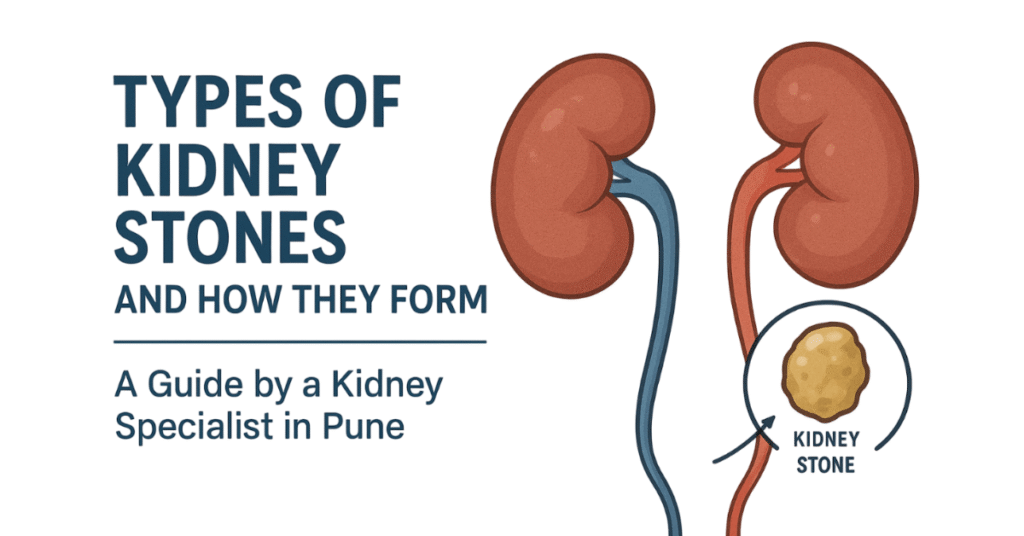
Types of Kidney Stones and How They Form – A Guide by a Kidney Specialist in Pune

Kidney stones are a common and painful urological condition affecting people of all ages. These hard deposits form inside the kidneys when minerals and salts in the urine crystallize. Understanding the types of kidney stones and how they form is essential for proper diagnosis, prevention, and treatment. In this blog, Dr. Rakshit Ahuja, a leading Kidney Specialist in Pune, shares expert insights into the different types of kidney stones and their causes. What Are Kidney Stones? Kidney stones, also known as renal calculi, are solid masses made of crystals. They vary in size, ranging from tiny grains to larger stones that can block the flow of urine. Depending on their composition, kidney stones are classified into different types. Identifying the type of stone is key to choosing the right Kidney Stone Treatment in Pune. Types of Kidney Stones 1. Calcium Oxalate Stones These are the most common type of kidney stones, formed when calcium combines with oxalate in the urine. Oxalate is naturally found in certain foods like spinach, nuts, and chocolate. Dehydration, high-oxalate diets, and certain metabolic disorders can increase the risk of these stones. A Best Urologist in Pune, often advises patients to drink plenty of water and limit oxalate-rich foods to reduce recurrence. 2. Calcium Phosphate Stones These stones are also calcium-based but form in alkaline urine. Conditions like hyperparathyroidism and urinary tract infections can increase the risk. Managing the pH balance of urine is crucial to preventing these stones. As a Kidney Specialist, often recommends dietary and lifestyle changes along with medications for patients prone to calcium phosphate stones. 3. Uric Acid Stones These form when urine is too acidic and is more common in people with high purine intake (found in red meat, shellfish, and organ meats). Individuals with gout or those undergoing chemotherapy are at higher risk. Proper hydration and medications to reduce uric acid levels are essential. For those seeking Kidney Stone Treatment, early detection of uric acid stones can help avoid complications and more invasive treatments. 4. Struvite Stones Also known as infection stones, struvite stones form in response to urinary tract infections (UTIs). They grow quickly and can become quite large, potentially causing serious kidney damage. These stones require prompt medical attention. A trusted Urologist in Kharadi Pune, emphasizes the importance of treating the underlying infection to prevent struvite stones from forming or recurring. 5. Cystine Stones Cystine stones are rare and usually hereditary, forming in individuals with a condition called cystinuria. This genetic disorder causes the kidneys to excrete too much cystine, which leads to stone formation. As an experienced Urologist provides long-term treatment plans and monitoring for patients with cystinuria to help manage and prevent these challenging stones. How Kidney Stones Form: The Science Behind It Kidney stones develop when your urine becomes too concentrated, allowing minerals and salts to stick together and form crystals. Over time, these crystals grow into stones. The primary factors contributing to stone formation include: Dehydration: Not drinking enough water leads to concentrated urine. Diet: High intake of sodium, protein, and oxalate-rich foods can increase stone risk. Medical Conditions: Certain diseases like hyperparathyroidism, obesity, and urinary tract infections raise the likelihood of stone formation. Genetics: Family history plays a significant role, especially in rare types like cystine stones. Prevention and Treatment Options The good news is that kidney stones can often be prevented with lifestyle changes and proper hydration. However, when stones form, treatment depends on their type and size. Kidney Stone Treatment offered by Dr. Rakshit Ahuja includes: Medical Therapy: Medications to dissolve small stones or prevent new ones. Extracorporeal Shock Wave Lithotripsy (ESWL): Non-invasive technique using shock waves to break stones. Laser Lithotripsy: Advanced procedure to fragment stones via ureteroscopy. Surgery: For very large or complex stones. Regular follow-ups with a Kidney Specialist can help monitor your kidney health and avoid recurrence. Why Choose us? If you’re looking for expert care and personalized treatment, a highly experienced Urologist in Pune, is here to help. With a clinic conveniently located for those searching for a Urologist in Kharadi, Pune, Dr. Ahuja combines advanced diagnostic tools with a compassionate approach to ensure the best outcomes for his patients. Final Thoughts Kidney stones can be painful and disruptive, but with the right knowledge and care, they are manageable and often preventable. Understanding the types of stones and how they form is the first step toward effective treatment. Whether you’re facing symptoms or want to avoid future episodes, consulting a trusted Kidney Specialist in Pune like Dr. Rakshit Ahuja ensures you’re on the right path. Don’t wait—your kidney health is worth protecting. To book an appointment with Leading Urologist for expert Kidney Stone Treatment in Pune – contact us today. 📞 Book an Appointment: 98905 83933 🌐 Visit Our Website: www.drrakshitahujaurologist.com Select an element to maximize. Press ESC to cancel. Select an element to maximize. Press ESC to cancel.

Types of Kidney Stones and How They Form – A Guide by a Kidney Specialist in Pune Read More »

Bladder Cancer Treatment in Pune

Early Signs of Bladder Cancer You Should Never Ignore

Bladder cancer is a serious health condition that often develops silently. Early detection plays a crucial role in the successful treatment of this disease. Understanding the early warning signs of bladder cancer can make a significant difference in outcomes. Dr. Rakshit Ahuja, a leading Urologist in Pune, emphasizes the importance of awareness and timely medical intervention. Understanding Bladder Cancer Bladder cancer begins in the tissues of the bladder, the organ responsible for storing urine. It is one of the most common urological cancers, especially in men. Like most cancers, bladder cancer is more manageable when diagnosed early. If ignored, it can spread to other parts of the body, complicating treatment and reducing the chances of recovery. Who Is at Risk? Certain risk factors increase the likelihood of developing bladder cancer: Smoking (the biggest risk factor) Exposure to harmful chemicals in workplaces (such as dye, rubber, leather, and chemical industries) Chronic bladder infections Family history of bladder cancer Older age (especially over 55) If you fall under any of these risk categories, regular checkups with a Urology Doctor in Pune are highly recommended. Early Signs of Bladder Cancer Recognizing the symptoms early can save lives. Here are the key early warning signs you should never ignore: 1. Blood in Urine (Hematuria) The most common and often the first noticeable symptom of bladder cancer is hematuria. Blood in the urine may appear as: Bright red Rusty brown Or even not visible (microscopic hematuria found through lab tests) This sign is a red flag and should never be dismissed. If you notice any discoloration in your urine, consult a Urologist in Pune immediately. 2. Frequent Urination If you find yourself making frequent trips to the bathroom, especially at night, it could be a sign of bladder irritation caused by an underlying tumor. 3. Painful Urination (Dysuria) Pain or a burning sensation while urinating may be mistaken for a urinary tract infection. However, persistent discomfort during urination is a symptom that needs thorough investigation. 4. Urgency to Urinate Feeling a constant, urgent need to urinate—even when your bladder isn’t full—is another potential symptom of bladder cancer. This can disrupt sleep and daily life significantly. 5. Lower Back Pain While back pain can be associated with many issues, unexplained pain on one side of the lower back may point to bladder or kidney involvement. 6. Fatigue and Weakness As cancer progresses, it may lead to unexplained weight loss, tiredness, and general weakness. These symptoms often indicate more advanced disease but are still important to recognize early. 7. Pelvic Pain Pain in the pelvic area, particularly if it’s persistent or increasing, should be taken seriously and evaluated by a Urology Doctor in Pune. Why You Shouldn’t Ignore These Signs Early-stage bladder cancer is highly treatable with excellent survival rates. Ignoring early symptoms may allow the disease to progress, requiring more aggressive treatment such as radical surgery or chemotherapy. Early diagnosis means: Less invasive treatment Higher survival rates Shorter recovery time Diagnostic Tools for Bladder Cancer When you visit a Urologist in Pune like Dr. Rakshit Ahuja, you may undergo the following diagnostic tests: Urinalysis: To detect blood and cancerous cells in urine Cystoscopy: A thin tube with a camera to view the inside of the bladder Biopsy: Tissue sample taken during cystoscopy to confirm cancer Imaging tests: Such as ultrasound, CT scans, or MRI to understand the extent of the disease Bladder Cancer Treatment in Pune If diagnosed with bladder cancer, patients have access to several treatment options, depending on the stage and type of cancer. Dr. Rakshit Ahuja, a highly skilled Urologist in Pune, offers personalized Bladder Cancer Treatment in Pune, including: TURBT (Transurethral Resection of Bladder Tumor): A minimally invasive surgery to remove tumors Intravesical Therapy: Chemotherapy or immunotherapy delivered directly into the bladder Radical Cystectomy: Complete removal of the bladder (in advanced cases) Reconstructive Surgery: Creating a new way for urine storage and passage after bladder removal Why Choose Dr. Rakshit Ahuja for Bladder Cancer Care? Board-certified Urology Doctor in Pune Extensive experience in diagnosing and treating bladder cancer State-of-the-art diagnostic facilities Patient-centered care with a focus on minimally invasive options Dr. Ahuja ensures that each patient receives an accurate diagnosis and a tailored treatment plan. His clinic in Pune is recognized for its high success rate and compassionate patient care. Tips for Prevention and Early Detection While not all cases of bladder cancer are preventable, certain lifestyle changes and habits can lower your risk: Quit smoking Stay hydrated to flush out toxins Limit exposure to harmful chemicals Maintain a healthy weight Don’t ignore urinary symptoms Schedule regular check-ups if you’re at risk Conclusion Bladder cancer can be life-threatening if left undiagnosed, but with early intervention, patients can recover fully and return to normal life. Knowing the signs and symptoms, and seeking medical advice early, is the key to better outcomes. If you notice any symptoms mentioned above, don’t delay. Consult Dr. Rakshit Ahuja, a trusted Urologist in Pune, for expert evaluation and Bladder Cancer Treatment in Pune. Your health is too important to ignore warning signs. 📞 Book an Appointment: 98905 83933 🌐 Visit Our Website: www.drrakshitahujaurologist.com Take the first step toward protecting your health today. Schedule a consultation with Dr. Ahuja—your partner in expert urological care. Select an element to maximize. Press ESC to cancel.

Early Signs of Bladder Cancer You Should Never Ignore Read More »