
Dr. Rakshit Ahuja

Urologist | Kidney Stone Specialist | Prostate Treatment

Open 24 hours

Monday to Sunday

+91 98905 83933

Make a Appoinment

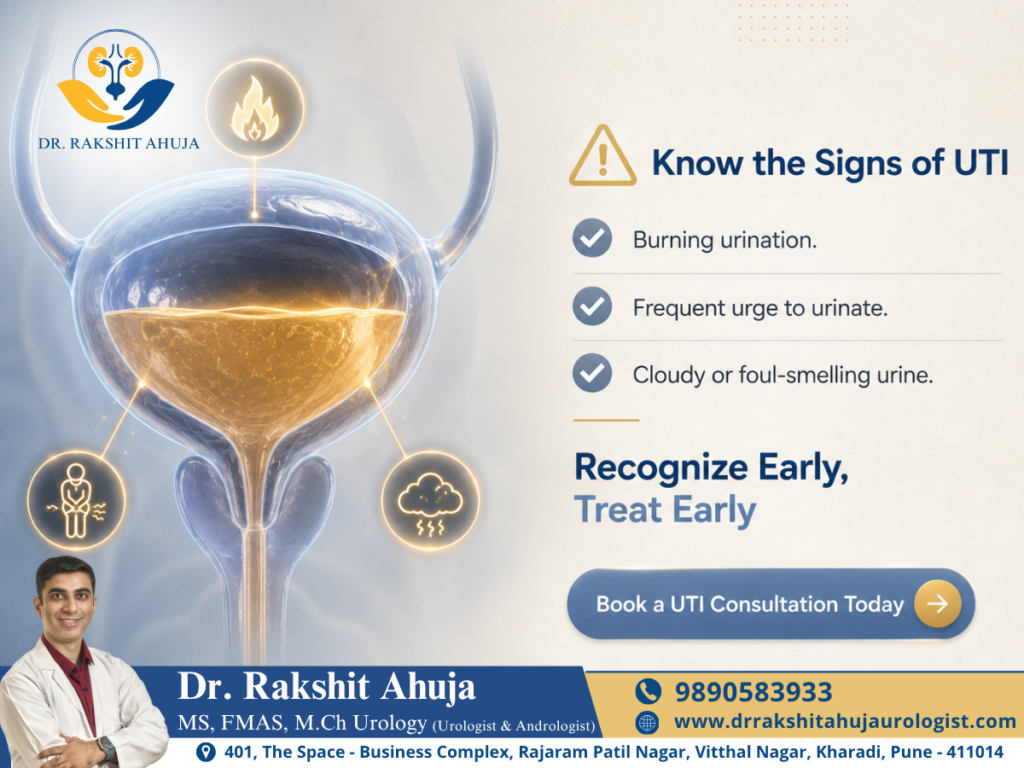
UTI treatment in Pune

Advanced care for urinary tract infections with accurate diagnosis and effective treatment. Focused management helps prevent recurrent infections and discomfort.

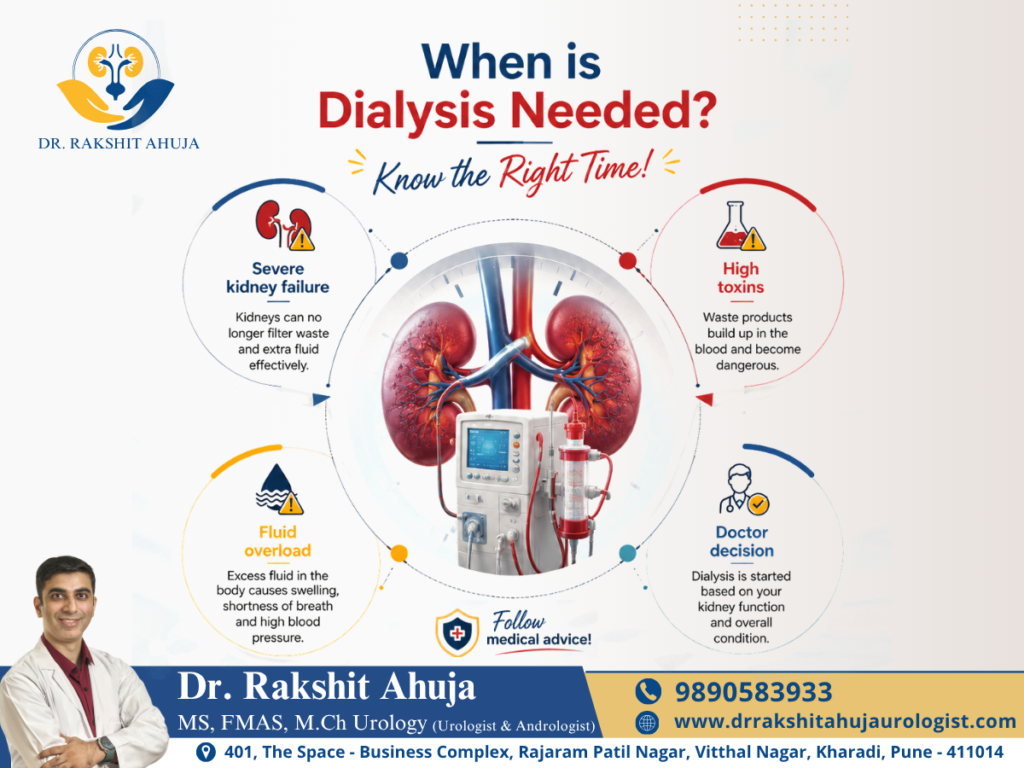
when dialysis is needed
Blog, Kidney Cancer Treatment In Pune, Kidney Stone Specialist In Pune, Kidney Stone Treatment In Pune, Urologist in Pune, Urology Doctor In Pune, UTI treatment in Pune

When Is Dialysis Needed? Understanding the Right Time to Start Dialysis

Kidneys play a vital role in maintaining overall health by filtering waste products, balancing fluids, regulating blood pressure, and maintaining electrolyte levels in the body. When the kidneys lose their ability to perform these essential functions, waste products and excess fluid begin to accumulate in the bloodstream. In such situations, dialysis may become necessary to support kidney function and protect the body from life-threatening complications. As a trusted Kidney Specialist In Pune, Dr. Rakshit Ahuja, Kidney Specialist In Pune, helps patients understand kidney disease progression and determine the most appropriate time to start dialysis. Early diagnosis and timely intervention can significantly improve quality of life and long-term health outcomes. What Is Dialysis? Dialysis is a medical treatment that performs some of the functions of healthy kidneys when they can no longer work effectively. It helps remove: Excess waste products Extra fluids Toxins from the blood Excess salts and minerals Dialysis does not cure kidney disease, but it helps patients maintain their health when kidney function has declined significantly. Why Do Patients Need Dialysis? Dialysis becomes necessary when kidney function drops to a level where the body can no longer eliminate waste and maintain fluid balance on its own. Common causes of kidney failure include: Chronic Kidney Disease (CKD) Diabetes High blood pressure Polycystic Kidney Disease Glomerulonephritis Severe kidney infections Acute Kidney Injury (AKI) Many patients are surprised to learn that kidney disease can progress silently for years without noticeable symptoms. This is why regular kidney health checkups are essential. Signs That Dialysis May Be Needed 1. Severe Kidney Failure One of the primary reasons for starting dialysis is advanced kidney failure. When kidney function falls below approximately 10–15% of normal capacity, dialysis is often recommended. At this stage, the kidneys are unable to: Remove toxins effectively Maintain electrolyte balance Regulate fluid levels Control blood pressure properly Patients with end-stage kidney disease often require dialysis to survive and maintain daily activities. 2. High Levels of Toxins in the Blood Healthy kidneys continuously remove waste products such as urea and creatinine. When kidney function declines, these substances accumulate in the bloodstream. High toxin levels can cause: Persistent nausea Vomiting Fatigue Weakness Loss of appetite Difficulty concentrating Metallic taste in the mouth Blood tests help monitor toxin levels and determine whether dialysis is required. As an experienced Kidney Specialist In Pune, Dr. Rakshit Ahuja closely monitors these laboratory parameters to guide treatment decisions. 3. Fluid Overload Another common indication for dialysis is fluid overload. When kidneys stop removing excess fluid effectively, fluid accumulates throughout the body, leading to: Swelling in the legs and ankles Facial puffiness Weight gain High blood pressure Shortness of breath Severe fluid retention can result in fluid accumulation around the lungs, making breathing difficult and potentially dangerous. Dialysis helps remove excess fluid and reduces the strain on the heart and lungs. 4. Dangerous Electrolyte Imbalances Kidneys regulate essential electrolytes such as potassium, sodium, and phosphorus. When kidney function declines, potassium levels can become dangerously high. Elevated potassium levels may cause: Muscle weakness Irregular heartbeat Cardiac arrest Sudden death In emergency situations, dialysis may be necessary to rapidly correct severe electrolyte imbalances. 5. Persistent Symptoms Despite Treatment Sometimes dialysis is recommended when symptoms continue despite medications and dietary modifications. Symptoms may include: Extreme fatigue Persistent itching Difficulty sleeping Muscle cramps Breathlessness Confusion Loss of appetite When these symptoms significantly affect quality of life, dialysis can help improve overall well-being. Does Every Kidney Disease Patient Need Dialysis? No. Not all patients with kidney disease require dialysis. Many individuals with early-stage kidney disease can successfully manage their condition through: Blood pressure control Diabetes management Kidney-friendly diet Medication Regular monitoring The decision to start dialysis depends on multiple factors, including kidney function, symptoms, blood test results, and overall health. This is why consultation with a qualified Kidney Specialist In Pune is essential before making treatment decisions. How Is the Decision Made? The decision to initiate dialysis is based on: Kidney Function Tests Doctors assess Glomerular Filtration Rate (GFR) and creatinine levels to evaluate kidney performance. Patient Symptoms Symptoms often provide valuable information about how kidney disease is affecting the body. Fluid Status Excess fluid accumulation may indicate the need for dialysis. Electrolyte Levels Abnormal potassium and other electrolyte levels are carefully monitored. Overall Medical Condition The patient’s age, medical history, and general health are considered before starting dialysis. Types of Dialysis Hemodialysis Blood is filtered through a dialysis machine that removes waste products and excess fluid. Peritoneal Dialysis The lining of the abdomen acts as a natural filter to remove toxins and excess fluids. The most suitable option depends on the patient’s medical condition and lifestyle requirements. Importance of Early Kidney Disease Detection Early detection of kidney disease can delay or even prevent the need for dialysis. Regular kidney screening is particularly important for individuals with: Diabetes High blood pressure Family history of kidney disease Heart disease Obesity Routine checkups allow specialists to identify kidney problems before they become severe. Expert Kidney Care in Pune Patients seeking advanced kidney care can consult Dr. Rakshit Ahuja, Kidney Specialist In Pune, for comprehensive evaluation, diagnosis, and treatment of kidney disorders. Whether managing chronic kidney disease, kidney stones, urinary disorders, or dialysis planning, timely expert care can make a significant difference in long-term outcomes. For patients searching online for trusted renal care, the Google Business Profile Dr. Rakshit Ahuja, Kidney Specialist In Pune provides reliable information about specialized kidney treatment services in Pune. Conclusion Dialysis becomes necessary when the kidneys can no longer effectively remove waste products, toxins, and excess fluid from the body. Severe kidney failure, fluid overload, high toxin levels, dangerous electrolyte imbalances, and persistent symptoms are some of the key indicators that dialysis may be required. Understanding the warning signs and seeking early medical attention can help prevent complications and improve quality of life. If you or a loved one has been diagnosed with kidney disease, consult Dr. Rakshit Ahuja, Kidney Specialist In Pune, for expert guidance, personalized treatment, and comprehensive kidney

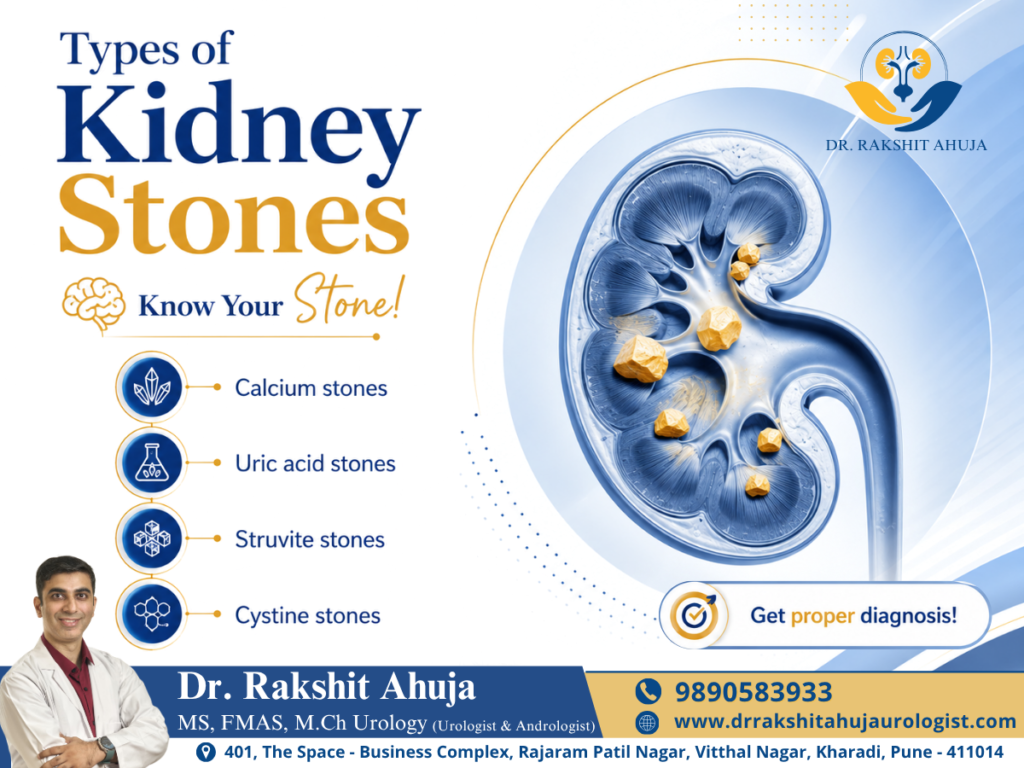
Types of kidney stones infographic
Kidney Cancer Treatment In Pune, Kidney Stone Specialist In Pune, Kidney Stone Treatment In Pune, UTI treatment in Pune

Types of Kidney Stones: Know Your Stone for the Right Treatment

Kidney stones are one of the most common urological conditions affecting people of all age groups. These hard mineral deposits form inside the kidneys and can cause severe pain, urinary problems, and complications if left untreated. Understanding the type of kidney stone you have is essential because each type has different causes, risk factors, and treatment approaches. As a leading Kidney Specialist in Pune, Dr. Rakshit Ahuja emphasizes the importance of accurate diagnosis and personalized treatment for kidney stone patients. Identifying the composition of a kidney stone helps prevent recurrence and ensures the most effective treatment plan. What Are Kidney Stones? Kidney stones are solid masses formed from minerals and salts present in urine. When certain substances become highly concentrated, they crystallize and gradually form stones. These stones can remain in the kidneys or travel through the urinary tract, causing intense discomfort and urinary obstruction. The size of kidney stones can range from tiny crystals to larger stones that may require medical intervention. Early diagnosis by an experienced Kidney Specialist in Pune can help prevent complications and preserve kidney health. Types of Kidney Stones Understanding the different types of kidney stones is the first step toward effective treatment and prevention. 1. Calcium Stones Calcium stones are the most common type of kidney stones, accounting for nearly 80% of all cases. These stones are usually composed of calcium oxalate, although some may contain calcium phosphate. Causes: High oxalate intake from foods such as spinach, nuts, and chocolate Dehydration Excessive salt consumption Certain metabolic disorders Family history of kidney stones Symptoms: Severe pain in the back or side Pain during urination Blood in urine Frequent urge to urinate Preventing calcium stones often involves increasing water intake, reducing sodium consumption, and making dietary modifications under medical supervision. 2. Uric Acid Stones Uric acid stones develop when urine becomes too acidic. They are commonly seen in individuals with high protein diets or certain metabolic conditions. Causes: High consumption of red meat and seafood Obesity Diabetes Gout Chronic dehydration Risk Factors: People with persistently acidic urine are more likely to develop uric acid stones. Fortunately, these stones can often be prevented and treated through dietary changes and medications that help balance urine pH. 3. Struvite Stones Struvite stones are typically associated with urinary tract infections (UTIs). These stones can grow rapidly and become quite large if not treated promptly. Causes: Recurrent urinary tract infections Bacterial infections affecting the urinary system Characteristics: Often larger than other stone types Can cause urinary blockage May lead to kidney damage if untreated Because struvite stones are linked to infections, treating the underlying infection is a critical part of management. Early intervention by Dr. Rakshit Ahuja, Kidney Specialist in Pune, can help prevent serious complications. 4. Cystine Stones Cystine stones are relatively rare and occur due to a hereditary condition known as cystinuria. This disorder causes excessive amounts of the amino acid cystine to leak into the urine, leading to stone formation. Causes: Genetic inheritance Cystinuria Challenges: Higher recurrence rates Often develop at a younger age Require long-term management Patients with cystine stones need specialized treatment and regular follow-up to minimize recurrence and protect kidney function. Common Symptoms of Kidney Stones Regardless of the type, kidney stones may produce the following symptoms: Sharp pain in the back, side, or lower abdomen Pain that radiates toward the groin Blood in urine Cloudy or foul-smelling urine Frequent urination Burning sensation during urination Nausea and vomiting Fever and chills in cases of infection If you experience any of these symptoms, seeking timely evaluation from a qualified Kidney Specialist in Pune is highly recommended. How Are Kidney Stones Diagnosed? Accurate diagnosis is essential for determining the type of stone and selecting the most appropriate treatment. Diagnostic methods may include: Urine analysis Blood tests Ultrasound scan CT scan X-rays Stone composition analysis At the clinic of Dr. Rakshit Ahuja, patients receive comprehensive evaluation and advanced diagnostic support to ensure precise treatment planning. Treatment Options for Kidney Stones The treatment approach depends on the stone’s size, location, and composition. Conservative Management Small stones may pass naturally with: Increased water intake Pain management medications Medical expulsive therapy Advanced Treatment Options For larger or problematic stones: Laser stone removal Ureteroscopy (URS) Retrograde Intrarenal Surgery (RIRS) Percutaneous Nephrolithotomy (PCNL) Shock Wave Lithotripsy (SWL) Choosing the right procedure requires expert evaluation from an experienced Kidney Specialist in Pune. Tips to Prevent Kidney Stones Preventing kidney stones is often easier than treating them. Here are some practical prevention tips: Drink at least 2.5 to 3 liters of water daily Limit excessive salt intake Maintain a balanced diet Reduce sugary beverages Avoid excessive animal protein consumption Manage underlying conditions such as diabetes and gout Follow your doctor’s dietary recommendations Regular health checkups and personalized guidance can significantly reduce the risk of recurrence. Why Choose Dr. Rakshit Ahuja for Kidney Stone Treatment in Pune? When it comes to kidney stone management, expertise and timely intervention make a significant difference. Dr. Rakshit Ahuja, Kidney Specialist in Pune, offers comprehensive diagnosis, advanced treatment options, and personalized care for patients suffering from kidney stones and other urological conditions. With a patient-centered approach and modern treatment techniques, Dr. Rakshit Ahuja focuses on providing effective solutions while minimizing discomfort and recovery time. Conclusion Kidney stones can significantly impact your quality of life, but understanding the type of stone is the key to successful treatment and prevention. Whether it is calcium stones, uric acid stones, struvite stones, or cystine stones, each requires a tailored approach for the best outcomes. If you are experiencing symptoms of kidney stones or looking for expert guidance, consult Dr. Rakshit Ahuja, Kidney Specialist in Pune. Early diagnosis and appropriate treatment can help you achieve long-term kidney health and prevent future stone formation.

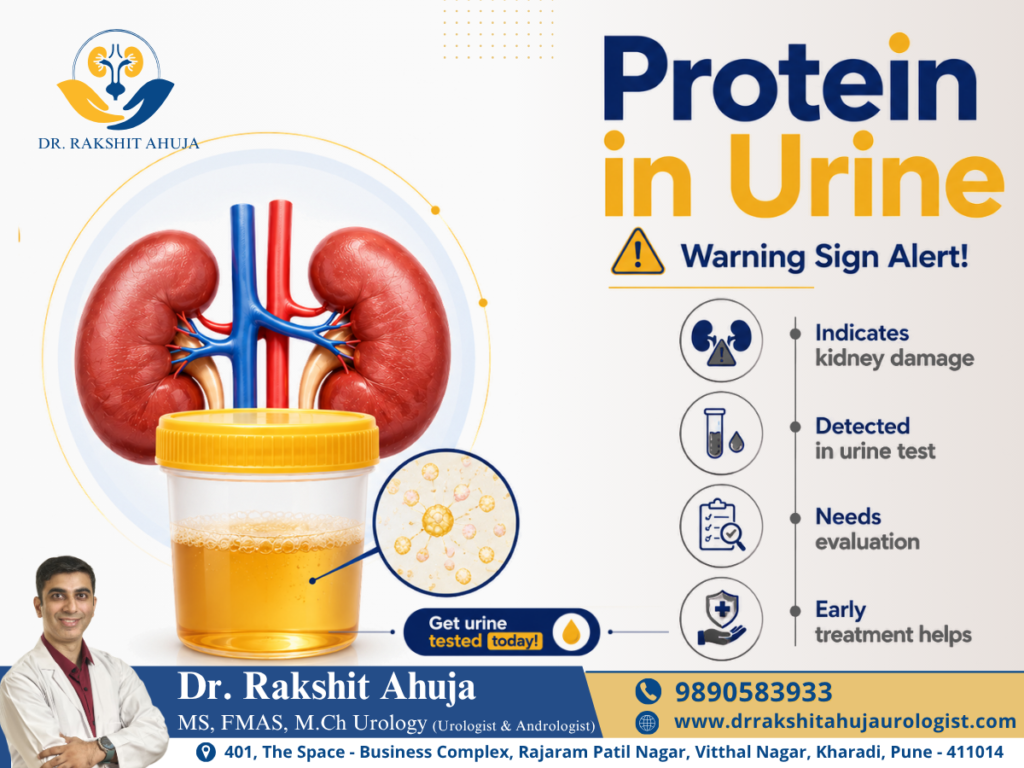
Educational poster by Dr. Rakshit Ahuja about protein in urine as a warning sign of kidney damage, featuring kidneys, a urine sample container, and kidney health awareness information.
Blog, Urologist in Pune, Urology Doctor In Pune, UTI treatment in Pune

Protein in Urine: A Warning Sign You Should Never Ignore

Finding protein in urine (proteinuria) can be concerning, but it is an important health indicator that should never be overlooked. While small amounts of protein may occasionally appear in urine due to temporary factors such as dehydration or strenuous exercise, persistent protein in urine can indicate underlying kidney problems, urinary tract infections (UTIs), or other medical conditions that require prompt attention. At Dr. Rakshit Ahuja, UTI Treatment in Pune, patients are often educated about the significance of early diagnosis and treatment of urinary and kidney-related conditions. Understanding the causes, symptoms, and treatment options for proteinuria can help prevent long-term complications and protect kidney health. What is Protein in Urine? Healthy kidneys act as natural filters, removing waste products and excess fluids from the blood while retaining essential substances such as proteins. When the kidneys become damaged or inflamed, protein can leak into the urine. This condition is known as proteinuria, and it may be detected during a routine urine examination or while investigating symptoms related to urinary tract infections or kidney disorders. According to Dr. Rakshit Ahuja, UTI Treatment in Pune, proteinuria is not a disease itself but a sign that something may be affecting kidney function or urinary tract health. Why Does Protein Appear in Urine? Protein in urine can occur for various reasons. Some causes are temporary and harmless, while others may require medical intervention. Temporary Causes Temporary proteinuria may occur due to: Dehydration Fever Intense physical exercise Emotional stress Exposure to extreme temperatures In such cases, protein levels usually return to normal once the underlying condition resolves. Medical Causes Persistent proteinuria may be associated with: Urinary Tract Infections (UTIs) Kidney infections Chronic kidney disease Diabetes High blood pressure Glomerulonephritis Kidney stones Autoimmune diseases Nephrotic syndrome For patients seeking UTI Treatment in Pune, protein detected during urine testing often prompts further evaluation to identify the exact cause. Can Urinary Tract Infections Cause Protein in Urine? Yes, urinary tract infections can sometimes lead to protein appearing in the urine. During an infection, inflammation within the urinary system may allow proteins to pass into the urine. Common symptoms of a UTI include: Burning sensation while urinating Frequent urge to urinate Pain or discomfort in the lower abdomen Cloudy or foul-smelling urine Fever and chills in severe infections Blood in urine If a urinary infection is left untreated, it may spread to the kidneys and cause more serious complications. At Dr. Rakshit Ahuja, UTI Treatment in Pune, early diagnosis and treatment help prevent recurrent infections and reduce the risk of kidney damage. Symptoms Associated with Proteinuria Proteinuria itself may not always cause noticeable symptoms, especially in the early stages. However, as kidney damage progresses, individuals may experience: Swelling (Edema) Fluid retention may cause swelling in the feet, ankles, legs, hands, or face. Foamy Urine Excess protein can make urine appear unusually foamy or bubbly. Fatigue Reduced kidney function may lead to persistent tiredness and weakness. Frequent Urination Changes in urination patterns can occur depending on the underlying cause. Elevated Blood Pressure Kidney disease and hypertension often occur together. If you notice any of these symptoms, consulting a specialist is essential for proper evaluation. How is Protein in Urine Diagnosed? Diagnosing proteinuria involves identifying both the presence of protein and its underlying cause. Common investigations include: Urine Routine Examination This is often the first test that detects protein in urine. Urine Culture Used to identify bacterial infections causing urinary symptoms. Urine Protein Quantification Measures the exact amount of protein being lost through urine. Blood Tests Evaluate kidney function, blood sugar levels, and overall health. Ultrasound of Kidneys and Urinary Tract Helps detect kidney stones, structural abnormalities, or infections. Additional Kidney Evaluation Further testing may be recommended if chronic kidney disease is suspected. At Dr. Rakshit Ahuja, UTI Treatment in Pune, a personalized diagnostic approach helps identify the root cause and guide effective treatment. Treatment for Protein in Urine Treatment depends entirely on the underlying condition causing proteinuria. Managing Urinary Tract Infections If a UTI is responsible, treatment may include: Appropriate antibiotics Increased fluid intake Lifestyle modifications Prevention strategies for recurrent infections Controlling Diabetes and Blood Pressure Patients with diabetes or hypertension require strict control of these conditions to protect kidney function. Treating Kidney Disorders Specific kidney diseases may require medications, dietary modifications, and regular monitoring by a specialist. Lifestyle Changes Healthy habits play a major role in preventing kidney damage: Drink adequate water Follow a balanced diet Limit excess salt intake Maintain healthy body weight Avoid smoking Exercise regularly Attend routine health check-ups When Should You See a Urologist? Many people ignore urinary symptoms until complications develop. You should seek medical attention if you experience: Recurrent UTIs Persistent protein in urine Blood in urine Pain while urinating Frequent urination Kidney stone symptoms Swelling in the body Unexplained fatigue Early intervention can prevent long-term kidney damage and improve treatment outcomes. Conclusion Protein in urine is an important warning sign that should never be ignored. While it may sometimes result from temporary conditions, persistent proteinuria can indicate urinary tract infections, kidney disease, diabetes, or other serious health concerns. Early diagnosis and appropriate treatment are essential for preserving kidney function and preventing complications. If you have been diagnosed with protein in urine or are experiencing symptoms of a urinary tract infection, consult Dr. Rakshit Ahuja, UTI Treatment in Pune, for expert evaluation and personalized care. Timely treatment can make a significant difference in protecting your urinary and kidney health.

stones representing kidney stone treatment.
Kidney Stone Specialist In Pune, Urologist in Pune, Urology Doctor In Pune, UTI treatment in Pune

Leaving No Stone Unturned: Advanced & Minimally Invasive Kidney Stone Surgery in Pune

Kidney stones are one of the most common urological problems today, affecting people of all ages. The pain caused by kidney stones can be severe and disruptive, often requiring immediate medical attention. With advancements in medical technology, modern treatments are now safer, faster, and far less painful than traditional methods. If you are searching for a trusted Urologist in Pune, expert Kidney Stone Treatment in Pune, or a reliable Kidney Specialist in Pune, this guide will help you understand your options better. This article is brought to you by Dr. Rakshit Ahuja, Urologist in Pune, a highly experienced specialist known for providing advanced and patient-friendly kidney care. What Are Kidney Stones? Kidney stones are hard mineral and salt deposits that form inside the kidneys. They develop when urine becomes concentrated, allowing minerals like calcium, oxalate, and uric acid to crystallize and stick together. Common types of kidney stones include: Calcium stones (most common) Uric acid stones Struvite stones Cystine stones While small stones may pass naturally, larger stones often require medical intervention. Symptoms You Should Not Ignore Recognizing early signs can help you seek timely Kidney Stone Treatment in Pune and avoid complications. Some common symptoms include: Severe pain in the lower back or abdomen Pain during urination Blood in urine Frequent urge to urinate Nausea and vomiting If you experience any of these symptoms, consult Dr. Rakshit Ahuja, Urologist in Pune for accurate diagnosis and prompt treatment. Causes and Risk Factors Kidney stones can develop due to multiple reasons, including: Low water intake (dehydration) High salt and protein diet Excess intake of oxalate-rich foods Obesity Family history of kidney stones A qualified Kidney Specialist in Pune can help identify the root cause and guide you toward prevention. Advanced & Minimally Invasive Kidney Stone Treatment in Pune Gone are the days when open surgery was the only option. Today, modern urology offers advanced and minimally invasive procedures that ensure quicker recovery and minimal discomfort. 1. Laser Lithotripsy (URS) A highly effective method where a laser is used to break stones into tiny fragments, which are then removed or passed naturally. 2. PCNL (Percutaneous Nephrolithotomy) Recommended for large or complex stones, this procedure involves a small incision in the back to remove stones directly from the kidney. 3. ESWL (Extracorporeal Shock Wave Lithotripsy) This non-invasive technique uses shock waves to break stones into smaller pieces that can pass through urine. 4. RIRS (Retrograde Intrarenal Surgery) An advanced technique where a flexible scope is passed through the urinary tract to treat stones without any cuts. These treatments offered by Dr. Rakshit Ahuja, Urologist in Pune are designed to ensure maximum comfort, faster healing, and excellent outcomes. Benefits of Minimally Invasive Kidney Stone Surgery Choosing a skilled Urologist in Pune for advanced treatment comes with several advantages: Smaller or no incisions Minimal pain and bleeding Short hospital stay Faster recovery time Lower risk of complications Patients can return to their normal routine much quicker compared to traditional surgery. Recovery and Aftercare Recovery after minimally invasive kidney stone surgery is generally smooth. However, following your doctor’s advice is crucial for optimal healing. Post-treatment tips include: Drink plenty of water daily Follow a balanced diet Avoid excessive salt and processed foods Take prescribed medications regularly Attend follow-up visits With proper care and guidance from a trusted Kidney Specialist in Pune, recurrence can also be prevented effectively. Preventing Kidney Stones Prevention is always better than cure. Here are some simple lifestyle changes to reduce your risk: Stay well-hydrated (at least 2–3 liters of water daily) Limit salt and sugar intake Maintain a healthy weight Avoid excessive consumption of oxalate-rich foods Include citrus fruits in your diet Regular check-ups with Dr. Rakshit Ahuja, Urologist in Pune can help monitor your kidney health and prevent future complications. Why Choose Dr. Rakshit Ahuja? When it comes to expert Kidney Stone Treatment in Pune, Dr. Rakshit Ahuja, Urologist in Pune stands out for his: Advanced surgical expertise Patient-centric approach Use of latest minimally invasive technologies High success rates in kidney stone treatment His commitment to providing personalized care ensures that every patient receives the best possible treatment tailored to their condition. Conclusion Kidney stones can be painful and distressing, but with the right medical care, they are highly treatable. Modern minimally invasive techniques have made kidney stone surgery safer, faster, and more effective than ever before. If you are experiencing symptoms or looking for expert care, consult Dr. Rakshit Ahuja, Urologist in Pune—a trusted name for advanced Kidney Stone Treatment in Pune and comprehensive kidney care. Don’t ignore the signs. Take action today and protect your kidney health for a better tomorrow.

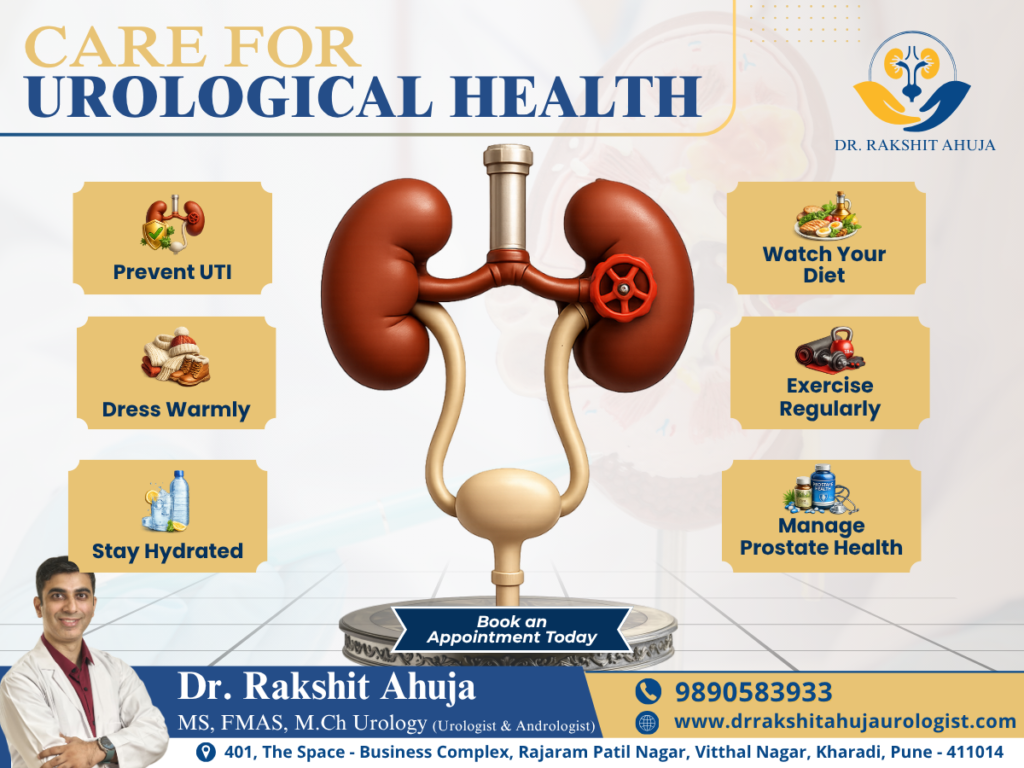
Illustration of kidneys and urinary system with urological health tips including hydration, UTI prevention, diet, exercise, and prostate care by Dr. Rakshit Ahuja, Urologist in Pune.
Best Urology Doctor in Pune, Urologist in Pune, Urology Doctor In Pune, UTI treatment in Pune

Care for Urological Health: A Complete Guide by Dr. Rakshit Ahuja, Urologist in Pune

Maintaining good urological health is essential for overall well-being, yet it is often overlooked until problems arise. The urinary system—including the kidneys, ureters, bladder, and urethra—plays a crucial role in removing waste and balancing fluids in the body. As a leading Urologist in Pune and Kidney Specialist in Pune, Dr. Rakshit Ahuja, Urologist in Pune, emphasizes the importance of preventive care and early intervention to avoid serious complications. Why Urological Health Matters Your kidneys filter toxins from the blood, regulate blood pressure, and maintain electrolyte balance. Any disruption in this system can lead to conditions such as urinary tract infections (UTIs), kidney stones, prostate issues, or chronic kidney disease. Ignoring early symptoms like burning urination, frequent urination, or lower abdominal pain can result in more severe health concerns. Key Tips to Maintain Urological Health 1. Stay Hydrated Drinking adequate water is one of the simplest yet most effective ways to maintain urinary health. Proper hydration helps flush out toxins, reduces the risk of kidney stones, and prevents infections. Aim for at least 2–3 liters of water daily unless advised otherwise by your doctor. 2. Prevent Urinary Tract Infections (UTIs) UTIs are common but preventable. Maintain proper hygiene, avoid holding urine for long periods, and ensure adequate hydration. Women are more prone to UTIs, but men can also be affected. Early consultation with a Kidney Specialist in Pune like Dr. Rakshit Ahuja can help manage symptoms effectively. 3. Follow a Balanced Diet Your diet directly impacts your kidney and bladder health. Reduce excessive salt, processed foods, and sugar intake. Include fresh fruits, vegetables, and fiber-rich foods. Limiting oxalate-rich foods (like spinach and nuts) may help prevent kidney stones in susceptible individuals. 4. Exercise Regularly Physical activity improves blood circulation, supports kidney function, and helps maintain a healthy weight. Obesity is a risk factor for kidney disease and urinary problems. Even moderate activities like walking, yoga, or cycling can make a significant difference. 5. Dress Appropriately in Cold Weather Cold temperatures can increase the urge to urinate and sometimes worsen urinary symptoms. Dressing warmly helps maintain body temperature and reduces the risk of infections. 6. Manage Prostate Health For men, especially those above 50, prostate health becomes increasingly important. Conditions like benign prostatic hyperplasia (BPH) can cause difficulty in urination. Regular check-ups with a trusted Urologist in Pune like Dr. Rakshit Ahuja, Urologist in Pune can help detect and manage prostate issues early. Common Urological Conditions Kidney Stones: Caused by mineral buildup, leading to severe pain and discomfort. Urinary Tract Infections (UTIs): Bacterial infections affecting any part of the urinary system. Prostate Enlargement: Common in aging men, affecting urine flow. Chronic Kidney Disease (CKD): A gradual loss of kidney function over time. Recognizing symptoms early and seeking timely medical advice is key to preventing complications. When to See a Urologist You should consult a specialist if you experience: Painful or burning urination Blood in urine Frequent urge to urinate Lower back or abdominal pain Difficulty in urination Ignoring these signs can delay diagnosis and treatment. Consulting an experienced Kidney Specialist in Pune ensures accurate diagnosis and effective management. Importance of Regular Check-Ups Routine health screenings help identify potential issues before they become serious. Individuals with diabetes, hypertension, or a family history of kidney disease should undergo regular kidney function tests. Early detection significantly improves treatment outcomes. Personalized Care with Dr. Rakshit Ahuja At Dr. Rakshit Ahuja, Urologist in Pune, patient care is centered on advanced diagnostics, evidence-based treatments, and a compassionate approach. Whether it’s managing kidney stones, treating infections, or addressing prostate concerns, patients receive comprehensive care tailored to their needs. Final Thoughts Urological health is an integral part of your overall wellness. Simple lifestyle changes like staying hydrated, eating a balanced diet, and exercising regularly can go a long way in preventing serious conditions. Don’t ignore early warning signs—timely consultation with a trusted Urologist in Pune can make all the difference. If you’re looking for expert care, Dr. Rakshit Ahuja, Urologist in Pune is committed to helping you maintain optimal urinary health with personalized treatment and modern medical solutions. Take charge of your health today—because prevention is always better than cure.

Causes of urinary incontinence showing acute and chronic factors with bladder illustration by Dr. Rakshit Ahuja, Urologist in Pune.
Best Urology Doctor in Pune, Urologist in Pune, Urology Doctor In Pune, UTI treatment in Pune

What Are the Causes of Incontinence? A Complete Guide by Dr. Rakshit Ahuja, Urologist in Pune

Urinary incontinence is a common yet often misunderstood condition that affects people of all ages. It refers to the loss of bladder control, leading to accidental leakage of urine. While many individuals feel embarrassed to discuss it, incontinence is a medical condition that can be effectively treated with proper care and guidance. In this blog, Dr. Rakshit Ahuja, Urologist in Pune, explains the major causes of incontinence, helping you understand when to seek expert help and how timely treatment can improve your quality of life. What Is Urinary Incontinence? Urinary incontinence occurs when you lose control over your bladder. It may range from occasional leakage while coughing or sneezing to a sudden, uncontrollable urge to urinate. There are different types of incontinence, including: Stress incontinence Urge incontinence Overflow incontinence Functional incontinence Identifying the underlying cause is the first step toward effective treatment. If you are looking for expert UTI treatment in Pune or advanced bladder care, consulting a specialist is essential. Causes of Acute (Temporary) Incontinence Acute incontinence is usually short-term and often reversible once the underlying issue is treated. 1. Stress Physical stress on the bladder can cause leakage, especially during activities like coughing, laughing, sneezing, or lifting heavy objects. This is more common in women due to weakened pelvic floor muscles. 2. Childbirth Pregnancy and vaginal delivery can stretch and weaken the pelvic floor muscles and nerves that control the bladder. This can lead to temporary or sometimes long-term incontinence. 3. Medication Side Effects Certain medications such as diuretics, sedatives, or blood pressure drugs can affect bladder function. They may increase urine production or interfere with bladder control, leading to temporary leakage. 4. Urinary Tract Infection (UTI) A Urinary Tract Infection (UTI) is one of the most common causes of sudden incontinence. It can irritate the bladder, causing a strong urge to urinate and sometimes leakage before reaching the toilet. If you experience burning sensation, frequent urination, or discomfort, seeking timely UTI treatment in Pune from Dr. Rakshit Ahuja, Urologist in Pune can help prevent complications. Causes of Chronic (Long-Term) Incontinence Chronic incontinence develops over time and may require long-term management or treatment. 1. Birth Defects Certain congenital conditions can affect the structure or function of the urinary system, leading to lifelong bladder control issues. 2. Blocked Urethra A blockage in the urethra, such as kidney stones or an enlarged prostate in men, can prevent normal urine flow. This may result in overflow incontinence, where the bladder cannot empty completely. 3. Brain or Spinal Injury The brain and spinal cord play a crucial role in bladder control. Any injury or neurological condition such as stroke, Parkinson’s disease, or spinal cord injury can disrupt signals between the brain and bladder, leading to incontinence. 4. Bladder Muscle Weakness As we age, the bladder muscles may weaken, reducing their ability to hold urine effectively. This can lead to frequent leakage and urgency. Risk Factors for Incontinence Certain factors increase the likelihood of developing urinary incontinence: Aging Obesity Chronic cough Smoking Diabetes Hormonal changes (especially in women) Understanding these risk factors can help in early detection and prevention. When Should You See a Urologist? You should not ignore symptoms of incontinence, especially if they: Occur frequently Affect your daily activities Cause embarrassment or discomfort Are associated with pain or burning sensation Early diagnosis can prevent the condition from worsening. Consulting Dr. Rakshit Ahuja, Urologist in Pune ensures accurate evaluation and personalized treatment. Diagnosis and Treatment Options The treatment of incontinence depends on its cause and severity. A urologist may recommend: Diagnosis: Urine tests Ultrasound Bladder function tests Physical examination Treatment Options: Lifestyle modifications Pelvic floor exercises (Kegel exercises) Medications Bladder training Minimally invasive procedures or surgery (if required) For patients dealing with infections, expert UTI treatment in Pune is crucial to eliminate the root cause and restore bladder health. Tips to Prevent Incontinence While not all cases can be prevented, certain lifestyle changes can reduce the risk: Maintain a healthy weight Practice pelvic floor exercises regularly Stay hydrated but avoid excessive caffeine Quit smoking Treat UTIs promptly Follow a balanced diet These small steps can make a significant difference in maintaining bladder control. Why Choose Dr. Rakshit Ahuja? When it comes to urological health, choosing the right specialist is key. Dr. Rakshit Ahuja, Urologist in Pune, is known for providing comprehensive care with a patient-focused approach. Whether you are dealing with urinary incontinence, kidney stones, or need reliable UTI treatment in Pune, you can expect: Accurate diagnosis Advanced treatment options Personalized care plans Compassionate support Conclusion Urinary incontinence is a manageable condition, and understanding its causes is the first step toward recovery. Whether it is temporary due to a UTI or a chronic issue requiring long-term care, timely intervention can significantly improve your quality of life. If you are experiencing symptoms of incontinence, do not hesitate to consult Dr. Rakshit Ahuja, Urologist in Pune. With the right guidance and treatment, you can regain control and confidence in your daily life.

Infographic showing causes of urethroplasty including trauma or injury, chronic infections, long-term catheter use, and congenital abnormalities with urology specialist Dr. Rakshit Ahuja in Pune.
Best Urology Doctor in Pune, Urologist in Pune, Urology Doctor In Pune, UTI treatment in Pune

Urethroplasty Causes: When Do You Need Advanced Urological Care?

Urethroplasty is a specialized surgical procedure used to treat urethral strictures—a condition where the urethra becomes narrowed, restricting the normal flow of urine. This condition can significantly impact quality of life, leading to discomfort, infections, and long-term complications if left untreated. Understanding the causes of urethral strictures is essential for timely diagnosis and effective treatment. If you are looking for expert care, Dr. Rakshit Ahuja, Urologist in Pune, Kidney Specialist & Prostate Treatment, offers advanced diagnosis and personalized solutions for a wide range of urological conditions. What is Urethral Stricture? A urethral stricture occurs when scar tissue forms inside the urethra, causing it to narrow. This narrowing blocks or slows down urine flow and can lead to symptoms such as: Weak urine stream Pain or burning sensation while urinating Frequent urinary tract infections Incomplete bladder emptying Blood in urine In severe cases, it may even cause urinary retention, which requires immediate medical attention. Common Causes of Urethroplasty Urethroplasty is recommended when non-surgical treatments fail or when the stricture is severe. The most common causes include: 1. Trauma or Injury Injuries to the pelvic region or urethra—often due to accidents, falls, or sports injuries—can lead to scar formation. This scarring restricts the urethra, making surgical repair necessary. 2. Chronic Infections Repeated urinary tract infections (UTIs) can inflame the urethra over time, leading to tissue damage and scarring. Seeking timely UTI Treatment in Pune can help prevent such complications. 3. Long-Term Catheter Use Prolonged use of urinary catheters may irritate the urethral lining, causing inflammation and eventual narrowing. This is commonly seen in patients requiring long-term medical care. 4. Congenital Abnormalities Some individuals are born with structural abnormalities in the urinary tract, which may predispose them to urethral strictures later in life. Importance of Early Diagnosis Ignoring symptoms of urethral stricture can lead to serious complications such as kidney damage, bladder dysfunction, and recurrent infections. Consulting a Kidney Specialist in Pune at the right time can make a significant difference in outcomes. At Dr. Rakshit Ahuja, patients receive comprehensive evaluation using advanced diagnostic tools, ensuring accurate identification of the problem. Treatment Options for Urethral Stricture Treatment depends on the severity and length of the stricture. Options include: Medication & Lifestyle Changes: For mild symptoms Dilation or Endoscopic Procedures: Temporary relief in some cases Urethroplasty Surgery: The most effective and permanent solution for severe strictures Urethroplasty involves reconstructing or replacing the narrowed segment of the urethra, offering long-term success and improved quality of life. Comprehensive Urology Care in Pune Urethral stricture is just one of many urological conditions that require expert care. At Dr. Rakshit Ahuja, patients have access to a wide range of treatments, including: ✔ UTI Treatment in Pune Prompt and effective management of urinary infections to prevent recurrence and complications. ✔ Kidney Stone Treatment in Pune Advanced, minimally invasive procedures for removing kidney stones with faster recovery. ✔ Bladder Cancer Treatment in Pune Early detection and comprehensive care using the latest medical technologies. ✔ Prostate Cancer Treatment in Pune Personalized treatment plans for prostate conditions, including cancer, ensuring the best possible outcomes. Why Choose Expert Care? Choosing the right urologist is crucial for successful treatment. With years of experience and a patient-centric approach, Dr. Rakshit Ahuja, Urologist in Pune, Kidney Specialist & Prostate Treatment is known for: Accurate diagnosis Advanced surgical expertise Minimally invasive techniques Compassionate patient care When Should You See a Urologist? You should consult a specialist if you experience: Difficulty urinating Recurrent UTIs Blood in urine Persistent lower abdominal or pelvic pain Reduced urine flow Early intervention can prevent complications and ensure faster recovery. Conclusion Urethral strictures can be uncomfortable and, if untreated, may lead to severe health issues. Understanding the causes—such as trauma, infections, catheter use, and congenital conditions—helps in seeking timely treatment. Urethroplasty remains the most reliable solution for long-term relief. If you are facing urinary issues or need expert advice, consult Dr. Rakshit Ahuja, Urologist in Pune, for advanced and personalized care. Your health deserves expert attention—don’t delay seeking help.

Urologist in Pune
Best Urology Doctor in Pune, Kidney Stone Specialist In Pune, Urologist in Pune, Urology Doctor In Pune, UTI treatment in Pune

Myths and Facts About Urology Care: When to See a Urologist in Pune

Urology is often misunderstood, and many people delay seeking treatment due to common myths. One of the biggest misconceptions is that only men need to visit a urologist. In reality, urologists treat both men and women for a wide range of urinary and reproductive health conditions. If you are searching for expert care for UTI Treatment in Pune, Kidney Stone Treatment in Pune, or Prostate Cancer Treatment in Pune, understanding the truth about urology can help you make informed decisions about your health. At Dr. Rakshit Ahuja, Urologist in Pune, Kidney Specialist & Prostate Treatment, patients receive comprehensive care for all urological conditions with advanced treatment options and personalized attention. Understanding Urology: More Than Just Men’s Health Urology is a specialized field that focuses on the urinary tract system in both men and women, including the kidneys, ureters, bladder, and urethra. It also covers male reproductive health. Many people associate urology only with male issues, but women frequently require urological care as well. Conditions such as urinary tract infections (UTIs), bladder problems, and kidney stones are very common among women. Consulting a Kidney Specialist in Pune ensures accurate diagnosis and timely treatment, preventing complications and improving quality of life. UTI Treatment in Pune: Don’t Ignore the Symptoms Urinary Tract Infections (UTIs) are among the most common urological conditions, especially in women. Symptoms may include: Burning sensation during urination Frequent urge to urinate Cloudy or foul-smelling urine Lower abdominal pain Ignoring UTIs can lead to more serious infections affecting the kidneys. Seeking timely UTI Treatment in Pune is essential to avoid complications. At Dr. Rakshit Ahuja, Urology Doctor in Pune, advanced diagnostic tools are used to identify the cause of infection and provide effective treatment tailored to each patient. Kidney Stone Treatment in Pune: Early Care Matters Kidney stones are another common issue affecting people of all ages. They can cause severe pain and discomfort if not treated promptly. Common symptoms include: Sharp pain in the back or side Blood in urine Nausea and vomiting Difficulty urinating Modern Kidney Stone Treatment in Pune includes minimally invasive procedures such as laser lithotripsy, which breaks stones into smaller pieces for easy removal. Early diagnosis by an experienced Kidney Specialist in Pune helps avoid complications like infection or kidney damage. Bladder Cancer Treatment in Pune: Awareness Saves Lives Bladder cancer is a serious condition but can be effectively treated if detected early. Warning signs include: Blood in urine Frequent urination Pain during urination Many people ignore these symptoms, assuming they are due to minor infections. However, early consultation with a urologist is critical. At Dr. Rakshit Ahuja, patients receive comprehensive Bladder Cancer Treatment in Pune, including advanced diagnostic procedures and personalized treatment plans. Prostate Cancer Treatment in Pune: Importance of Regular Screening Prostate cancer is one of the most common cancers in men, especially after the age of 50. Early detection plays a crucial role in successful treatment. Symptoms may include: Difficulty in urination Weak urine flow Blood in urine or semen Pelvic discomfort Regular check-ups and screenings are essential, even if symptoms are not present. If you are looking for reliable Prostate Cancer Treatment in Pune, consulting an experienced specialist ensures accurate diagnosis and the most effective treatment approach. When Should You Visit a Urologist? You should consider visiting a urologist if you experience: Persistent urinary issues Recurrent UTIs Kidney stone symptoms Blood in urine Male reproductive health concerns Delaying treatment can worsen the condition and lead to complications. Seeking timely care from a trusted expert like Dr. Rakshit Ahuja, ensures better outcomes and faster recovery. Why Choose an Expert Urologist in Pune? Choosing the right specialist is essential for effective treatment. An experienced urologist provides: Accurate diagnosis using advanced technology Minimally invasive treatment options Personalized care plans Comprehensive management of complex conditions At Dr. Rakshit Ahuja, patients benefit from a patient-centric approach, modern infrastructure, and a commitment to delivering the best possible outcomes. Final Thoughts Urological health is an essential part of overall well-being, yet it is often neglected due to myths and lack of awareness. Remember, urologists treat both men and women, and early intervention can prevent serious complications. Whether you need UTI Treatment in Pune, Kidney Stone Treatment in Pune, Bladder Cancer Treatment in Pune, or Prostate Cancer Treatment in Pune, consulting a qualified specialist is the first step toward better health. Take control of your health today by seeking expert care from Dr. Rakshit Ahuja, Urologist in Pune, Kidney Specialist & Prostate Treatment, and ensure timely diagnosis, effective treatment, and long-term wellness

Causes of UTI in Women & When to Seek Expert Care in Pune
Best Urology Doctor in Pune, Bladder Cancer Treatment In Pune, Urologist in Pune, Urology Doctor In Pune, UTI treatment in Pune

Causes of UTI in Women & When to Seek Expert Care in Pune

Urinary Tract Infections (UTIs) are one of the most common health issues affecting women across all age groups. While many cases are mild, recurring or untreated infections can lead to serious complications. Understanding the causes, symptoms, and timely treatment is essential to maintain good urinary health. If you are looking for expert care, Dr. Rakshit Ahuja, Urologist in Pune, Kidney Specialist & Prostate Treatment offers advanced and personalized treatment for UTIs and related urological conditions. What is a UTI? A Urinary Tract Infection occurs when harmful bacteria enter the urinary system, affecting the bladder, urethra, or kidneys. Women are more prone to UTIs due to anatomical reasons, making awareness and prevention even more important. Common Causes of UTI in Women 1. Lack of Water Intake Not drinking enough water reduces urine output, which allows bacteria to stay longer in the urinary tract. Proper hydration helps flush out toxins and bacteria naturally. 2. Improper Hygiene Poor hygiene practices, especially after using the restroom, can introduce bacteria into the urinary tract. Always maintain proper personal hygiene to reduce infection risk. 3. Kidney Stones Kidney stones can block urine flow, creating an environment where bacteria can grow easily. If you experience frequent UTIs along with pain, it may indicate stones. For advanced care, Kidney Stone Treatment in Pune is available with modern techniques at the clinic of Dr. Rakshit Ahuja, Urologist in Pune, Kidney Specialist & Prostate Treatment. 4. Pregnancy Hormonal changes and pressure on the urinary tract during pregnancy increase the chances of infections. Regular check-ups are essential during this period. 5. Diabetes High sugar levels in urine can promote bacterial growth, making diabetic women more vulnerable to UTIs. 6. Holding Urine for Too Long Delaying urination allows bacteria to multiply in the bladder, increasing the risk of infection. Always avoid holding urine for extended periods. Symptoms You Should Not Ignore UTI symptoms may vary from mild to severe. Some common warning signs include: Burning sensation while urinating Frequent urge to urinate Cloudy or foul-smelling urine Lower abdominal pain Fever (in severe cases) If left untreated, UTIs can spread to the kidneys and cause serious complications. Importance of Early Diagnosis & Treatment Ignoring UTI symptoms can lead to chronic infections or kidney damage. Early diagnosis ensures faster recovery and prevents complications. If you are searching for reliable UTI Treatment in Pune, consult Dr. Rakshit Ahuja, Urologist in Pune, Kidney Specialist & Prostate Treatment, who provides accurate diagnosis and advanced treatment options. Advanced Urological Care in Pune Apart from UTIs, many urinary and reproductive system disorders require specialized care. At the clinic of Dr. Rakshit Ahuja, patients receive comprehensive treatment for: ✔ Kidney Disorders Expert Kidney Specialist in Pune services for managing infections, stones, and chronic kidney conditions. ✔ Bladder Cancer Treatment Early detection and advanced Bladder Cancer Treatment in Pune ensure better outcomes and improved quality of life. ✔ Prostate Health Men experiencing urinary issues can benefit from expert Prostate Cancer Treatment in Pune and other prostate-related treatments. Prevention Tips for UTI Preventing UTIs is easier with simple lifestyle changes: Drink plenty of water daily Maintain proper personal hygiene Avoid holding urine for long periods Urinate after sexual activity Wear breathable cotton underwear Manage blood sugar levels if diabetic Following these habits can significantly reduce your risk of infection. When to Consult a Urologist? You should seek expert help if: You experience frequent UTIs Symptoms persist despite medication You notice blood in urine You have severe pain or fever Timely consultation with a specialist like Dr. Rakshit Ahuja, Urologist in Pune, Kidney Specialist & Prostate Treatment can help prevent complications and ensure long-term health. Why Choose Dr. Rakshit Ahuja in Pune? Choosing the right specialist is crucial for effective treatment. Patients trust Dr. Rakshit Ahuja for: Accurate diagnosis and advanced treatment Patient-focused and personalized care Expertise in kidney, bladder, and prostate conditions Modern medical facilities and techniques Whether you need UTI Treatment in Pune, Kidney Stone Treatment in Pune, or care for complex urological conditions, you are in safe hands. Conclusion UTIs are common but should never be ignored. Understanding the causes and taking preventive measures can help you stay healthy. However, if symptoms persist, seeking timely medical care is essential. For expert consultation and advanced treatment, visit Dr. Rakshit Ahuja, Urologist in Pune, Kidney Specialist & Prostate Treatment—your trusted partner for complete urological care in Pune.

Prostate Problem In Men
Prostate Cancer Treatment in Pune, Prostate Treatment in Pune, Urologist in Pune, Urology Doctor In Pune, UTI treatment in Pune

Top Prostate Problems Every Man Should Know About

The prostate is a small gland in the male reproductive system, but it plays a significant role in urinary and sexual health. As men age, the risk of developing prostate-related problems increases. Understanding these conditions and seeking timely medical care can help prevent serious complications. If you are experiencing urinary discomfort or prostate-related symptoms, consulting an experienced specialist like Dr. Rakshit Ahuja, Urologist in Pune, Kidney Specialist & Prostate Treatment expert can help in early diagnosis and effective treatment. This article explains the most common prostate problems every man should be aware of and why regular health check-ups are essential. What is the Prostate Gland? The prostate is a walnut-sized gland located below the bladder and in front of the rectum. It surrounds the urethra, which is the tube responsible for carrying urine from the bladder out of the body. The main function of the prostate gland is to produce fluid that nourishes and protects sperm. However, as men age, this gland can enlarge or become affected by infections and other conditions. Many men begin experiencing prostate issues after the age of 40–50, which is why consulting a Urologist in Pune for regular screening is recommended. 1. Benign Prostatic Hyperplasia (BPH) One of the most common prostate problems in men is Benign Prostatic Hyperplasia (BPH), also known as prostate enlargement. This condition occurs when the prostate gland grows larger and presses against the urethra, making it difficult for urine to pass. Common Symptoms of BPH Frequent urination, especially at night Difficulty starting urination Weak urine flow Feeling that the bladder is not fully empty Sudden urge to urinate Although BPH is not cancerous, it can significantly affect quality of life. Early evaluation by **Dr. Rakshit Ahuja, a trusted Kidney Specialist in Pune, can help manage symptoms through medication or minimally invasive treatments. 2. Prostatitis Another common prostate condition is Prostatitis, which refers to inflammation or infection of the prostate gland. Prostatitis can affect men of all ages and may be caused by bacterial infections or other inflammatory conditions. Symptoms of Prostatitis Pain or burning during urination Pain in the lower abdomen or pelvic area Painful ejaculation Frequent urination Fever and chills in severe cases Early diagnosis and proper treatment are important to prevent complications. If you experience these symptoms, consulting an experienced Urologist in Pune is highly recommended. 3. Prostate Cancer One of the most serious prostate conditions is Prostate Cancer. It is among the most common cancers affecting men worldwide. In the early stages, prostate cancer may not cause noticeable symptoms, which makes regular screening extremely important. Warning Signs of Prostate Cancer Difficulty urinating Blood in urine or semen Pain in the lower back or hips Weak urine stream Frequent urination When detected early, prostate cancer can often be treated successfully. Advanced medical care and timely diagnosis by Dr. Rakshit Ahuja, Prostate Treatment specialist in Pune, can significantly improve treatment outcomes. 4. Prostate Infections Prostate infections can occur due to bacteria entering the urinary tract and spreading to the prostate gland. These infections may cause severe discomfort and urinary problems. Common Symptoms Painful urination Pelvic or lower back pain Difficulty urinating Fever or chills Urinary urgency Prompt medical attention is necessary to treat infections effectively and prevent long-term complications. Relationship Between Prostate Health and Urinary Problems The prostate gland is closely connected to the urinary system. When the prostate enlarges or becomes infected, it can affect normal urine flow. Many patients experiencing prostate problems may also develop conditions such as: Urinary Tract Infection (UTI) Kidney Stones Bladder Cancer If you are facing urinary discomfort, pain, or recurring infections, consulting Dr. Rakshit Ahuja, Urologist in Pune, can help identify the underlying cause and provide appropriate treatment such as UTI Treatment in Pune, Kidney Stone Treatment in Pune, or Bladder Cancer Treatment in Pune. When Should You See a Urologist? Many men ignore urinary symptoms thinking they are normal with aging. However, early medical consultation can help prevent serious complications. You should consult a urologist if you experience: Frequent urination Difficulty passing urine Pain during urination Blood in urine Pelvic pain Erectile or sexual health concerns Regular health check-ups are particularly important for men over the age of 45. Importance of Early Diagnosis Early detection plays a crucial role in managing prostate diseases effectively. Routine screening tests may include: PSA (Prostate Specific Antigen) blood test Ultrasound imaging Urine tests Digital rectal examination (DRE) These tests help detect prostate abnormalities at an early stage, allowing doctors to recommend the most appropriate treatment plan. At Dr. Rakshit Ahuja, Urologist in Pune, Kidney Specialist & Prostate Treatment, patients receive comprehensive evaluation and advanced treatment options for prostate and urinary health conditions. Tips to Maintain Prostate Health Maintaining a healthy lifestyle can reduce the risk of prostate problems. Healthy Habits for Prostate Care Drink plenty of water Maintain a healthy body weight Exercise regularly Reduce alcohol consumption Avoid smoking Eat a balanced diet rich in fruits and vegetables Schedule regular medical check-ups These simple lifestyle changes can support overall urinary and prostate health. Conclusion Prostate health is an important part of men’s overall well-being. Conditions such as Benign Prostatic Hyperplasia, Prostatitis, Prostate Cancer, and Prostate Infections are common but manageable when detected early. If you experience urinary symptoms or prostate-related concerns, timely consultation with a qualified specialist is essential. For expert diagnosis and advanced treatment options including UTI Treatment in Pune, Kidney Stone Treatment in Pune, Bladder Cancer Treatment in Pune, and Prostate Cancer Treatment in Pune, consult Dr. Rakshit Ahuja, Urologist in Pune, Kidney Specialist & Prostate Treatment expert. Taking proactive steps today can help ensure better prostate health and a healthier future.

Scroll to Top