How Diabetes and Hypertension Increase the Risk of Kidney Infection
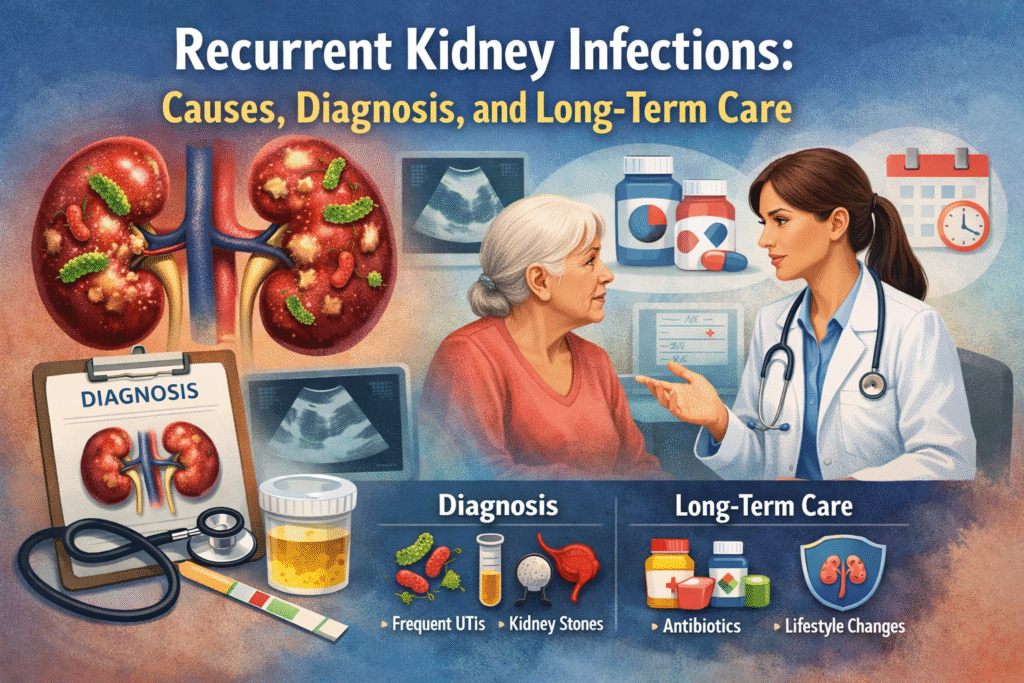
Kidneys play a vital role in filtering waste, maintaining fluid balance, and regulating blood pressure in the body. However, chronic conditions like diabetes and hypertension (high blood pressure) can silently damage the kidneys over time, increasing the risk of serious complications such as kidney infections. As a leading Urologist in Pune, Dr. Rakshit Ahuja frequently treats patients who are unaware that their long-standing sugar or blood pressure issues are directly linked to kidney problems. Understanding how diabetes and hypertension affect kidney health is the first step toward prevention and early treatment. Understanding Kidney Infections A kidney infection, also known as pyelonephritis, is a type of urinary tract infection (UTI) that travels from the bladder up to the kidneys. It can cause symptoms like fever, back pain, burning urination, nausea, fatigue, and cloudy or foul-smelling urine. If left untreated, kidney infections can lead to permanent kidney damage or even life-threatening complications. People with diabetes and high blood pressure are at a significantly higher risk of developing kidney infections due to weakened kidney function and reduced immunity. How Diabetes Increases the Risk of Kidney Infection 1. High Blood Sugar Damages Kidney Filters Diabetes causes elevated blood sugar levels, which damage the tiny blood vessels (glomeruli) inside the kidneys. Over time, this reduces the kidneys’ ability to filter waste effectively, creating an environment where bacteria can grow more easily. 2. Weakened Immune System High sugar levels weaken the immune response, making it harder for the body to fight infections. This allows bacteria from the urinary tract to multiply and reach the kidneys. 3. Sugar in Urine Encourages Bacterial Growth Excess glucose in urine acts as a breeding ground for bacteria. This significantly increases the risk of recurrent urinary tract infections, which can eventually progress into kidney infections. 4. Diabetic Neuropathy and Incomplete Bladder Emptying Nerve damage caused by diabetes can affect bladder function, leading to incomplete emptying of urine. Stagnant urine increases the risk of bacterial infections spreading to the kidneys. According to experienced Urology Doctors in Pune, diabetic patients often present with silent kidney damage until an infection reveals the underlying issue. How Hypertension Raises the Risk of Kidney Infection 1. Reduced Blood Flow to the Kidneys High blood pressure damages blood vessels supplying the kidneys, reducing oxygen and nutrient flow. This weakens kidney tissue and lowers resistance to infections. 2. Structural Kidney Damage Long-term hypertension causes scarring and hardening of kidney tissues, making them more susceptible to infections and inflammation. 3. Impaired Waste Removal When kidneys don’t function optimally, toxins and bacteria stay in the urinary system longer, increasing the chances of infection. 4. Higher Risk of Chronic Kidney Disease (CKD) Hypertension is one of the leading causes of CKD. As kidney function declines, the body becomes less capable of fighting infections, including kidney infections. A skilled Kidney Specialist in Pune can detect early blood pressure–related kidney damage through routine tests before infections develop. Combined Impact of Diabetes and Hypertension When diabetes and hypertension coexist, the risk of kidney infection rises dramatically. Together, they: Accelerate kidney damage Increase frequency of UTIs Delay healing and recovery Raise chances of kidney failure This combination is one of the most common reasons patients require advanced urology care. Warning Signs You Should Not Ignore If you have diabetes or high blood pressure, watch out for: Frequent or painful urination Fever with chills Lower back or side pain Blood or pus in urine Sudden swelling in legs or face Fatigue and loss of appetite Early consultation with a Urologist in Pune can prevent serious complications. Diagnosis and Treatment Options A Urology Doctor in Pune may recommend: Urine tests to detect infection Blood tests to assess kidney function Ultrasound or CT scan for kidney structure Antibiotics for infection control Blood sugar and blood pressure optimization Lifestyle and dietary modifications In advanced cases, hospitalization or long-term kidney care may be required. Preventing Kidney Infections in Diabetic and Hypertensive Patients Prevention is always better than cure. Here’s how you can protect your kidneys: Maintain strict blood sugar control Keep blood pressure within recommended limits Stay well hydrated Avoid delaying urination Practice good personal hygiene Get routine kidney function tests Consult a Kidney Specialist in Pune regularly Lifestyle changes combined with medical supervision can significantly reduce infection risk. Expert Care Matters Kidney infections linked to diabetes and hypertension require specialized urology care. Dr. Rakshit Ahuja, a trusted Urologist in Pune, focuses on early diagnosis, personalized treatment plans, and long-term kidney protection to help patients maintain a better quality of life. Final Thought Diabetes and hypertension may seem manageable on their own, but their impact on kidney health can be severe if ignored. Regular monitoring, early intervention, and expert guidance from a Urology Doctor in Pune can make all the difference between healthy kidneys and lifelong complications. Dr. Rakshit Ahuja, a leading Kidney Specialist in Pune, provides expert care for kidney infections caused by diabetes and hypertension. 📞 Book an Appointment: 98905 83933 🌐 Visit Our Website: www.drrakshitahujaurologist.com Select an element to maximize. Press ESC to cancel. Select an element to maximize. Press ESC to cancel.
How Diabetes and Hypertension Increase the Risk of Kidney Infection Read More »