Dr. Rakshit Ahuja

Prostate Treatment

Prostate problems like enlargement, infection, or cancer can affect a man’s health and quality of life. If you are facing prostate-related issues, consult Dr. Rakshit Ahuja, a leading Urologist in Pune. He offers advanced and personalized Prostate Treatment in Pune, including medication, lifestyle advice, and surgical procedures if required. With expertise in managing conditions like Benign Prostatic Hyperplasia (BPH) and Prostate Cancer, Dr. Ahuja provides effective solutions for all prostate concerns. Early diagnosis and expert care are essential for better outcomes. Trust Dr. Rakshit Ahuja for the best Prostate Treatment in Pune and regain your comfort and confidence.

Select an element to maximize. Press ESC to cancel.

Prostate Problem In Men

Top Prostate Problems Every Man Should Know About

The prostate is a small gland in the male reproductive system, but it plays a significant role in urinary and sexual health. As men age, the risk of developing prostate-related problems increases. Understanding these conditions and seeking timely medical care can help prevent serious complications. If you are experiencing urinary discomfort or prostate-related symptoms, consulting an experienced specialist like Dr. Rakshit Ahuja, Urologist in Pune, Kidney Specialist & Prostate Treatment expert can help in early diagnosis and effective treatment. This article explains the most common prostate problems every man should be aware of and why regular health check-ups are essential. What is the Prostate Gland? The prostate is a walnut-sized gland located below the bladder and in front of the rectum. It surrounds the urethra, which is the tube responsible for carrying urine from the bladder out of the body. The main function of the prostate gland is to produce fluid that nourishes and protects sperm. However, as men age, this gland can enlarge or become affected by infections and other conditions. Many men begin experiencing prostate issues after the age of 40–50, which is why consulting a Urologist in Pune for regular screening is recommended. 1. Benign Prostatic Hyperplasia (BPH) One of the most common prostate problems in men is Benign Prostatic Hyperplasia (BPH), also known as prostate enlargement. This condition occurs when the prostate gland grows larger and presses against the urethra, making it difficult for urine to pass. Common Symptoms of BPH Frequent urination, especially at night Difficulty starting urination Weak urine flow Feeling that the bladder is not fully empty Sudden urge to urinate Although BPH is not cancerous, it can significantly affect quality of life. Early evaluation by **Dr. Rakshit Ahuja, a trusted Kidney Specialist in Pune, can help manage symptoms through medication or minimally invasive treatments. 2. Prostatitis Another common prostate condition is Prostatitis, which refers to inflammation or infection of the prostate gland. Prostatitis can affect men of all ages and may be caused by bacterial infections or other inflammatory conditions. Symptoms of Prostatitis Pain or burning during urination Pain in the lower abdomen or pelvic area Painful ejaculation Frequent urination Fever and chills in severe cases Early diagnosis and proper treatment are important to prevent complications. If you experience these symptoms, consulting an experienced Urologist in Pune is highly recommended. 3. Prostate Cancer One of the most serious prostate conditions is Prostate Cancer. It is among the most common cancers affecting men worldwide. In the early stages, prostate cancer may not cause noticeable symptoms, which makes regular screening extremely important. Warning Signs of Prostate Cancer Difficulty urinating Blood in urine or semen Pain in the lower back or hips Weak urine stream Frequent urination When detected early, prostate cancer can often be treated successfully. Advanced medical care and timely diagnosis by Dr. Rakshit Ahuja, Prostate Treatment specialist in Pune, can significantly improve treatment outcomes. 4. Prostate Infections Prostate infections can occur due to bacteria entering the urinary tract and spreading to the prostate gland. These infections may cause severe discomfort and urinary problems. Common Symptoms Painful urination Pelvic or lower back pain Difficulty urinating Fever or chills Urinary urgency Prompt medical attention is necessary to treat infections effectively and prevent long-term complications. Relationship Between Prostate Health and Urinary Problems The prostate gland is closely connected to the urinary system. When the prostate enlarges or becomes infected, it can affect normal urine flow. Many patients experiencing prostate problems may also develop conditions such as: Urinary Tract Infection (UTI) Kidney Stones Bladder Cancer If you are facing urinary discomfort, pain, or recurring infections, consulting Dr. Rakshit Ahuja, Urologist in Pune, can help identify the underlying cause and provide appropriate treatment such as UTI Treatment in Pune, Kidney Stone Treatment in Pune, or Bladder Cancer Treatment in Pune. When Should You See a Urologist? Many men ignore urinary symptoms thinking they are normal with aging. However, early medical consultation can help prevent serious complications. You should consult a urologist if you experience: Frequent urination Difficulty passing urine Pain during urination Blood in urine Pelvic pain Erectile or sexual health concerns Regular health check-ups are particularly important for men over the age of 45. Importance of Early Diagnosis Early detection plays a crucial role in managing prostate diseases effectively. Routine screening tests may include: PSA (Prostate Specific Antigen) blood test Ultrasound imaging Urine tests Digital rectal examination (DRE) These tests help detect prostate abnormalities at an early stage, allowing doctors to recommend the most appropriate treatment plan. At Dr. Rakshit Ahuja, Urologist in Pune, Kidney Specialist & Prostate Treatment, patients receive comprehensive evaluation and advanced treatment options for prostate and urinary health conditions. Tips to Maintain Prostate Health Maintaining a healthy lifestyle can reduce the risk of prostate problems. Healthy Habits for Prostate Care Drink plenty of water Maintain a healthy body weight Exercise regularly Reduce alcohol consumption Avoid smoking Eat a balanced diet rich in fruits and vegetables Schedule regular medical check-ups These simple lifestyle changes can support overall urinary and prostate health. Conclusion Prostate health is an important part of men’s overall well-being. Conditions such as Benign Prostatic Hyperplasia, Prostatitis, Prostate Cancer, and Prostate Infections are common but manageable when detected early. If you experience urinary symptoms or prostate-related concerns, timely consultation with a qualified specialist is essential. For expert diagnosis and advanced treatment options including UTI Treatment in Pune, Kidney Stone Treatment in Pune, Bladder Cancer Treatment in Pune, and Prostate Cancer Treatment in Pune, consult Dr. Rakshit Ahuja, Urologist in Pune, Kidney Specialist & Prostate Treatment expert. Taking proactive steps today can help ensure better prostate health and a healthier future.

Top Prostate Problems Every Man Should Know About Read More »
Prostate Disorders: Symptoms & Treatment - Urologist in Pune

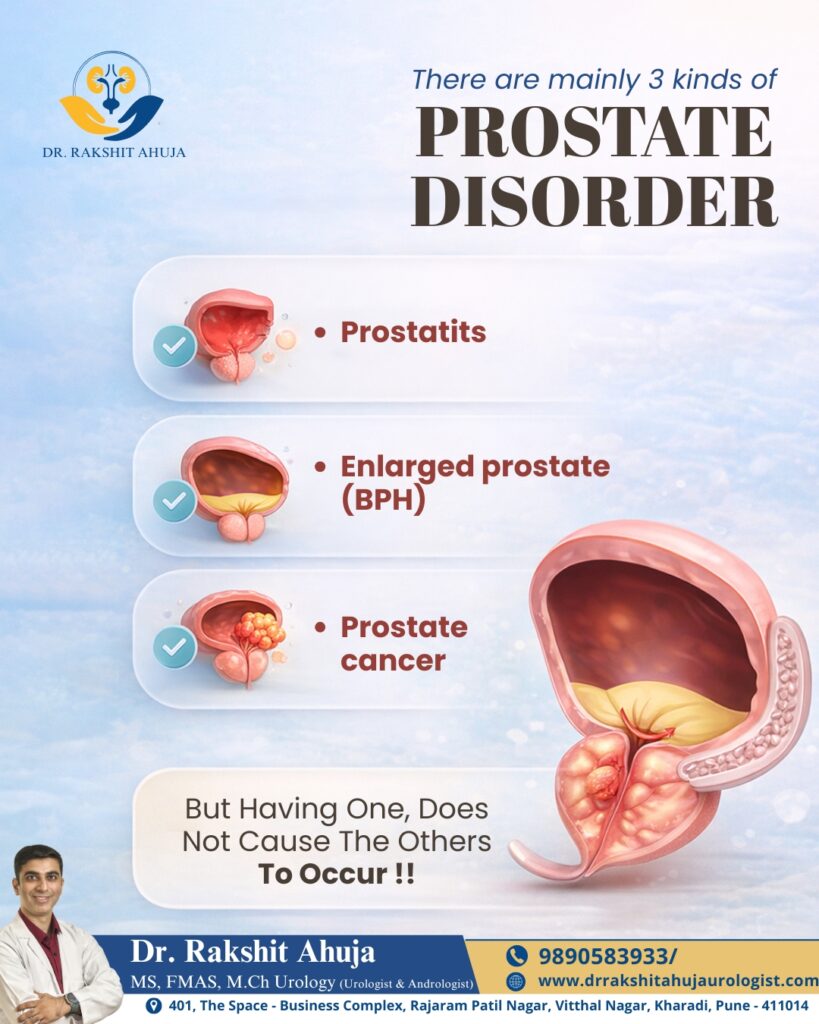
Understanding the 3 Main Types of Prostate Disorders: Symptoms, Causes, and Treatment

Prostate health is an important part of men’s overall well-being, especially as they age. Many men experience prostate-related issues after the age of 40, but awareness and early diagnosis can make a significant difference in treatment and recovery. The prostate is a small gland located below the bladder that plays an essential role in the male reproductive system. When this gland develops problems, it can affect urination, sexual health, and general quality of life. There are mainly three common types of prostate disorders: Prostatitis, Enlarged Prostate (Benign Prostatic Hyperplasia – BPH), and Prostate Cancer. Although these conditions affect the same gland, it is important to understand that having one condition does not necessarily lead to the others. With the right medical guidance and timely care, prostate disorders can be effectively managed. If you are experiencing urinary or prostate-related symptoms, consulting an experienced specialist such as Dr. Rakshit Ahuja, Urologist in Pune, Kidney Specialist & Prostate Treatment expert can help in accurate diagnosis and effective treatment. 1. Prostatitis – Inflammation of the Prostate Prostatitis refers to inflammation or swelling of the prostate gland. It can occur in men of any age and is often caused by bacterial infections or other inflammatory conditions. Common Symptoms of Prostatitis Pain or burning sensation during urination Frequent urge to urinate Difficulty urinating Pain in the lower abdomen, pelvic area, or lower back Pain during ejaculation Fever and chills in severe cases Causes Prostatitis may develop due to: Bacterial infections Urinary tract infections (UTI) Pelvic muscle tension Nerve damage or inflammation Proper diagnosis is essential to identify the underlying cause. At Dr. Rakshit Ahuja, Urologist in Pune, Kidney Specialist & Prostate Treatment, patients receive comprehensive evaluation and personalized care to treat prostatitis effectively. 2. Enlarged Prostate (Benign Prostatic Hyperplasia – BPH) Benign Prostatic Hyperplasia (BPH) is a non-cancerous enlargement of the prostate gland. This condition is very common among men above the age of 50. As the prostate enlarges, it can press against the urethra and cause urinary problems. Symptoms of Enlarged Prostate Weak urine stream Difficulty starting urination Frequent urination, especially at night Incomplete emptying of the bladder Sudden urge to urinate Risk Factors Some common risk factors include: Aging Hormonal changes Family history Lifestyle factors While BPH is not cancerous, it can significantly affect daily life if left untreated. Advanced treatment options are available to relieve symptoms and improve urinary function. Patients searching for Urologist in Pune, UTI Treatment in Pune, Kidney Specialist in Pune, and Prostate Treatment in Pune often consult Dr. Rakshit Ahuja, Urologist in Pune, Kidney Specialist & Prostate Treatment, who provides modern and minimally invasive treatment options for prostate enlargement. 3. Prostate Cancer Prostate cancer occurs when abnormal cells grow uncontrollably in the prostate gland. It is one of the most common cancers among men worldwide. Early detection is crucial because prostate cancer often develops slowly and may not show symptoms in the early stages. Common Symptoms of Prostate Cancer Difficulty urinating Blood in urine or semen Pain in the pelvis or lower back Weak urine flow Erectile dysfunction Importance of Early Screening Regular prostate health checkups are extremely important, especially for men above 50 or those with a family history of prostate cancer. Screening tests such as PSA (Prostate Specific Antigen) tests and digital rectal exams help detect the condition early. For individuals looking for Prostate Cancer Treatment in Pune, early consultation with a specialist like Dr. Rakshit Ahuja, Urologist in Pune, Kidney Specialist & Prostate Treatment can improve treatment outcomes and recovery. Key Point: One Prostate Condition Does Not Cause the Others Many people assume that having prostatitis or an enlarged prostate will eventually lead to prostate cancer. However, medical research shows that these conditions are separate and do not directly cause each other. Prostatitis is an inflammatory condition BPH is a benign enlargement due to aging Prostate cancer is a malignant tumor While they affect the same organ, each condition has different causes, symptoms, and treatment approaches. When Should You See a Urologist? You should consult a specialist if you experience: Frequent urination Difficulty passing urine Pain or burning sensation while urinating Blood in urine Lower abdominal or pelvic pain Ignoring these symptoms may lead to complications affecting the urinary system and kidneys. If you are searching for UTI Treatment in Pune, Kidney Stone Treatment in Pune, Kidney Specialist in Pune, Bladder Cancer Treatment in Pune, or Prostate Cancer Treatment in Pune, expert consultation can help diagnose the issue accurately and start the right treatment. Expert Urology Care in Pune For comprehensive urological care, Dr. Rakshit Ahuja, Urologist in Pune, Kidney Specialist & Prostate Treatment offers advanced diagnosis and treatment for a wide range of conditions including: UTI Treatment in Pune Kidney Stone Treatment in Pune Prostate Treatment in Pune Bladder Cancer Treatment in Pune Prostate Cancer Treatment in Pune Male urinary and reproductive health disorders With modern technology, patient-focused care, and years of expertise, patients receive the best possible treatment and guidance for their condition. Final Thoughts Prostate disorders are common but manageable with early detection and proper treatment. Understanding the differences between prostatitis, enlarged prostate (BPH), and prostate cancer can help men take proactive steps toward maintaining their prostate health. Regular checkups, a healthy lifestyle, and timely medical consultation play a crucial role in preventing complications. If you experience any urinary or prostate-related symptoms, seeking medical advice without delay is essential. For expert diagnosis and treatment, consult Dr. Rakshit Ahuja, Urologist in Pune, Kidney Specialist & Prostate Treatment, a trusted name for advanced urology care and prostate health management.

Understanding the 3 Main Types of Prostate Disorders: Symptoms, Causes, and Treatment Read More »

Prostate Cancer screening

Prostate Cancer Screening: When Should Men Start Testing?

Prostate cancer is one of the most common cancers affecting men, especially after the age of 50. The good news is that early detection through regular screening can significantly improve treatment outcomes and survival rates. Many cases of prostate cancer develop slowly and may not show symptoms in the early stages, which is why timely screening becomes extremely important. If you are looking for expert guidance regarding prostate health, consulting Dr. Rakshit Ahuja, Kidney Specialist & Prostate Treatment can help ensure proper diagnosis, early screening, and effective treatment options. Understanding the Prostate Gland The prostate is a small gland located below the bladder and in front of the rectum. Its primary function is to produce seminal fluid that nourishes and transports sperm. As men age, the prostate may enlarge or develop medical conditions such as prostatitis, benign prostatic hyperplasia (BPH), or prostate cancer. Regular prostate health check-ups with an experienced Urologist in Pune can help detect abnormalities early and prevent serious complications. Why Prostate Cancer Screening is Important Prostate cancer often grows slowly, and many men may not experience noticeable symptoms in the early stages. Screening tests help doctors detect prostate cancer before it spreads to other organs. Early screening offers several benefits: Detects cancer before symptoms appear Improves chances of successful treatment Helps doctors monitor prostate health regularly Reduces the risk of advanced-stage cancer Men who undergo regular screening have a higher survival rate and better treatment outcomes. Recommended Age for Prostate Cancer Screening Medical experts recommend starting prostate cancer screening based on age and individual risk factors. 1. Screening at Age 50 for Average-Risk Men Men who do not have a family history of prostate cancer should start PSA testing at age 50. Regular check-ups help monitor prostate health and detect early signs of abnormalities. 2. Screening at Age 45 for High-Risk Individuals Men with a family history of prostate cancer or genetic risk factors should begin screening earlier, typically at age 45. 3. Early Screening at Age 40 for Very High Risk Individuals with multiple relatives diagnosed with prostate cancer may benefit from screening discussions starting at age 40. Consulting a specialist like Dr. Rakshit Ahuja can help determine the most appropriate screening schedule based on your medical history. Common Tests Used for Prostate Cancer Screening PSA Blood Test The Prostate-Specific Antigen (PSA) test measures the level of PSA protein in the blood. Higher PSA levels may indicate prostate cancer, prostate enlargement, or infection. Digital Rectal Examination (DRE) In this examination, the doctor manually checks the prostate gland through the rectum to identify any unusual growths or abnormalities. If the results indicate possible concerns, doctors may recommend additional tests such as MRI scans, ultrasound, or prostate biopsy. Symptoms That Should Not Be Ignored Although early prostate cancer may not show symptoms, certain warning signs may appear as the condition progresses. Common symptoms include: Frequent urination, especially at night Difficulty starting or stopping urine flow Weak urine stream Blood in urine or semen Pain during urination Discomfort in the pelvic area If you notice these symptoms, it is important to consult a Kidney Specialist in Pune for proper diagnosis and treatment. Treatment Options for Prostate Cancer The treatment approach depends on the stage of cancer, patient’s age, and overall health condition. Advances in medical technology have made prostate cancer treatment more effective and less invasive. Common treatment options include: Active surveillance for slow-growing cancer Surgical removal of the prostate gland Radiation therapy Hormone therapy Chemotherapy for advanced cases Patients seeking specialized care for Prostate Cancer Treatment in Pune can consult Dr. Rakshit Ahuja, who offers advanced diagnosis and personalized treatment plans. Maintaining Good Prostate Health Preventive care plays an important role in maintaining prostate health and reducing the risk of serious conditions. Healthy habits include: Eating a balanced diet rich in fruits and vegetables Maintaining a healthy body weight Exercising regularly Avoiding smoking and excessive alcohol consumption Staying hydrated Scheduling routine health check-ups Regular consultations with a Urologist in Pune can help monitor prostate health and detect any problems early. Comprehensive Urology Care in Pune Apart from prostate cancer screening, Dr. Rakshit Ahuja provides comprehensive treatment for various urological conditions, including: UTI Treatment in Pune Kidney Stone Treatment in Pune Kidney Specialist in Pune consultations Bladder Cancer Treatment in Pune Prostate Cancer Treatment in Pune With advanced diagnostic techniques and patient-centered care, individuals receive accurate diagnosis and effective treatment. When Should You Consult a Urologist? Men above the age of 40 should consider regular prostate health check-ups, especially if they have a family history of prostate cancer or experience urinary symptoms. Early detection can significantly improve treatment success and overall quality of life. If you are looking for expert prostate care, consult Dr. Rakshit Ahuja, Kidney Specialist & Prostate Treatment for advanced screening, diagnosis, and treatment options. Final Thoughts Prostate cancer is a serious but treatable condition when detected early. Regular screening, awareness of symptoms, and timely medical consultation can help prevent complications and improve long-term health outcomes. Men should prioritize prostate health by scheduling routine check-ups and discussing screening options with a qualified specialist. For expert care and advanced urology treatment, visit Dr. Rakshit Ahuja, a trusted specialist offering comprehensive UTI Treatment in Pune, Kidney Stone Treatment in Pune, Bladder Cancer Treatment in Pune, and Prostate Cancer Treatment in Pune.

Prostate Cancer Screening: When Should Men Start Testing? Read More »

Urologist in Pune

Exercise and Prostate Health: How Staying Active Can Protect Your Prostate Naturally

Prostate health is a growing concern for men, especially after the age of 40. With changing lifestyles, sedentary work culture, and increasing stress levels, prostate-related problems are becoming more common. The good news? Regular exercise can play a powerful role in protecting your prostate naturally. If you are looking for expert guidance from a Urologist In Pune, understanding how physical activity benefits your prostate is the first step toward prevention and long-term wellness. Understanding the Prostate and Common Problems The prostate is a small gland located below the bladder in men. It plays a key role in producing seminal fluid. As men age, the prostate may enlarge or develop other issues such as: Benign Prostatic Hyperplasia (BPH) Prostatitis (inflammation of the prostate) Prostate cancer Many patients visiting a Urology Doctor In Pune often ask whether lifestyle changes can reduce their risk. The answer is yes—exercise is one of the most effective natural protective measures. How Exercise Supports Prostate Health 1. Reduces Risk of Prostate Enlargement (BPH) Regular physical activity helps regulate hormones that influence prostate growth. Studies suggest that men who engage in moderate to vigorous exercise have a lower risk of developing BPH symptoms such as frequent urination, weak urine flow, and nighttime urination. Exercise also improves bladder control and pelvic muscle strength, which can significantly ease urinary symptoms. 2. Lowers Inflammation Chronic inflammation is linked to many prostate conditions. Exercise reduces inflammatory markers in the body, improving immune function and lowering the risk of prostatitis and other complications. When patients consult Dr. Rakshit Ahuja for Prostate Treatment In Pune, lifestyle correction—including exercise—is often recommended alongside medical management. 3. Helps Maintain Healthy Weight Obesity is strongly associated with prostate enlargement and aggressive prostate cancer. Excess fat tissue increases estrogen levels and inflammatory chemicals, which may negatively affect prostate health. Regular workouts help: Control weight Improve metabolism Balance hormones Reduce abdominal fat Even 30 minutes of brisk walking five days a week can make a noticeable difference. 4. Improves Blood Circulation Good blood flow ensures that prostate tissues receive adequate oxygen and nutrients. Physical activity enhances circulation in the pelvic region, supporting tissue repair and overall gland health. Sedentary lifestyles, on the other hand, can lead to pelvic congestion and urinary discomfort. 5. May Reduce Prostate Cancer Risk While no lifestyle change guarantees complete prevention, research suggests that physically active men have a lower risk of developing aggressive prostate cancer. Exercise strengthens the immune system and helps regulate insulin levels—both factors associated with cancer prevention. A trusted Urologist In Pune will always emphasize preventive care along with regular screening, especially for men above 50 or those with a family history of prostate cancer. Best Exercises for Prostate Health You don’t need intense gym routines to protect your prostate. Simple, consistent activities are highly effective. ✔ Brisk Walking Improves heart health and circulation while reducing stress. ✔ Kegel Exercises Strengthens pelvic floor muscles, improves urinary control, and supports prostate function. ✔ Cycling (with proper seat support) Enhances stamina and cardiovascular health. Use a prostate-friendly seat to avoid pressure. ✔ Swimming A low-impact full-body workout ideal for maintaining fitness without joint strain. ✔ Yoga Reduces stress and improves pelvic flexibility. Poses like Malasana and Bhujangasana may benefit pelvic health. Before starting any new workout routine, especially if you already have urinary symptoms, consult a qualified Urology Doctor In Pune for personalized advice. How Much Exercise Is Enough? According to health experts, aim for: At least 150 minutes of moderate aerobic activity per week Strength training twice a week Daily pelvic floor exercises Consistency matters more than intensity. Even small lifestyle changes—like taking stairs instead of elevators or walking after meals—contribute to prostate wellness. Exercise + Healthy Habits = Stronger Prostate For optimal results, combine exercise with: A diet rich in fruits and vegetables Reduced red meat intake Adequate hydration Limiting alcohol and smoking Regular prostate check-ups Men often ignore early urinary symptoms due to hesitation or lack of awareness. However, early evaluation can prevent complications. Seeking timely Prostate Treatment In Pune ensures better outcomes and peace of mind. When to See a Urologist Consult a specialist if you notice: Frequent urination, especially at night Difficulty starting urination Weak urine stream Burning sensation while urinating Blood in urine Early diagnosis allows for simple, effective treatments. Dr. Rakshit Ahuja provides comprehensive prostate care, combining advanced medical treatments with preventive lifestyle guidance. Final Thoughts Your prostate health is closely linked to your daily habits. Staying active is not just about fitness—it is about long-term protection against prostate enlargement, inflammation, and even cancer. If you are searching for a reliable Urologist In Pune, proactive lifestyle changes combined with expert consultation can make a significant difference. Exercise is a natural, cost-effective, and powerful tool to protect your prostate. Start today—your future health depends on it. About Dr. Rakshit Ahuja Dr. Rakshit Ahuja is a leading expert in Prostate Treatment In Pune, offering advanced urological care with a focus on prevention, early diagnosis, and patient-centered treatment plans. Select an element to maximize. Press ESC to cancel.

Exercise and Prostate Health: How Staying Active Can Protect Your Prostate Naturally Read More »

Kidney Specialist in Pune

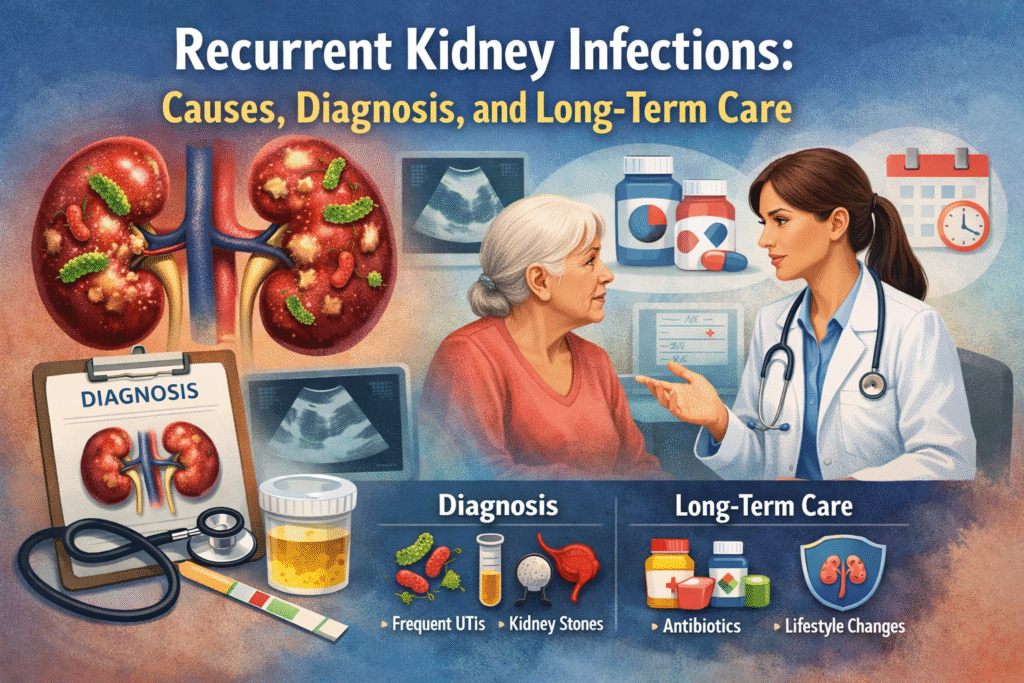
Recurrent Kidney Infections: Causes, Diagnosis, and Long-Term Care

Recurrent kidney infections, medically known as recurrent pyelonephritis, are a serious health concern that should never be ignored. Unlike a single urinary tract infection (UTI), repeated kidney infections can gradually damage the kidneys and affect overall health if not managed properly. Understanding the causes, diagnostic process, and long-term care options is essential for preventing complications and maintaining kidney health. What Are Recurrent Kidney Infections? A kidney infection occurs when bacteria travel from the bladder or urethra up to one or both kidneys. When such infections happen repeatedly—two or more times within six months or three or more times in a year—they are classified as recurrent kidney infections. These infections can cause persistent discomfort and increase the risk of permanent kidney damage if left untreated. Common symptoms include fever, chills, back or side pain, frequent and painful urination, cloudy or foul-smelling urine, fatigue, and nausea. In some cases, symptoms may be mild, making early diagnosis even more important. Causes of Recurrent Kidney Infections Several underlying factors can contribute to repeated kidney infections. Identifying the root cause is crucial for effective treatment and prevention. Structural abnormalities in the urinary tract, such as kidney stones, narrow ureters, or congenital defects, can block urine flow and allow bacteria to multiply. Vesicoureteral reflux (VUR), a condition where urine flows backward from the bladder to the kidneys, is a common cause, especially in children and young adults. Incomplete bladder emptying, often seen in people with diabetes, nerve disorders, or an enlarged prostate, increases the risk of infection. Weakened immunity due to chronic illnesses, stress, or long-term medication can make the body less capable of fighting bacteria. Frequent or untreated UTIs that are not fully cured may spread to the kidneys and recur. Consulting an experienced Urologist in Pune helps in accurately identifying these causes and planning targeted treatment. How Recurrent Kidney Infections Are Diagnosed Diagnosis involves more than just confirming an infection—it focuses on understanding why infections keep returning. A urine analysis and culture is usually the first step to detect bacteria and determine the most effective antibiotic. Blood tests may be recommended to assess kidney function and detect signs of systemic infection. Imaging tests, such as ultrasound, CT scan, or MRI, help identify structural problems, kidney stones, or obstructions in the urinary tract. In some cases, a cystoscopy may be performed to examine the bladder and urethra more closely. Accurate diagnosis by a skilled Kidney Specialist in Pune ensures that treatment addresses the root cause rather than just the symptoms. Treatment and Long-Term Care Strategies Managing recurrent kidney infections requires a combination of medical treatment and lifestyle changes. Medical Treatment Antibiotics remain the primary treatment, but in recurrent cases, longer or preventive antibiotic courses may be prescribed. If structural abnormalities or stones are found, surgical or minimally invasive procedures may be necessary to correct the issue and prevent future infections. Lifestyle and Preventive Care Long-term care focuses on reducing the risk of recurrence: Drinking adequate water to flush out bacteria Maintaining proper hygiene Urinating regularly and completely Managing blood sugar levels in diabetic patients Avoiding self-medication and completing prescribed antibiotic courses Regular follow-ups with a Urologist in Pune help monitor kidney health and catch early signs of infection before they become severe. When to See a Specialist If you experience repeated UTIs, persistent back pain, fever, or notice changes in urination, it is important to seek expert care promptly. Early intervention can prevent chronic kidney damage and long-term complications such as high blood pressure or reduced kidney function. Expert Care with Dr. Rakshit Ahuja Dr. Rakshit Ahuja is a trusted urology expert known for his patient-centric approach and evidence-based care. With extensive experience in managing complex urinary tract and kidney conditions, he focuses on accurate diagnosis, personalized treatment, and long-term prevention strategies to help patients achieve lasting kidney health. Select an element to maximize. Press ESC to cancel. Select an element to maximize. Press ESC to cancel.

Recurrent Kidney Infections: Causes, Diagnosis, and Long-Term Care Read More »

Prostate Cancer Treatment In Pune

What Every Man Should Know About Prostate Cancer Risk

What Every Man Should Know About Prostate Cancer Risk What Every Man Should Know About Prostate Cancer Risk Prostate cancer is one of the most common types of cancer affecting men worldwide, particularly those above the age of 50. While early detection and treatment have drastically improved outcomes, many men remain unaware of their risk factors and symptoms. This lack of awareness can delay diagnosis and worsen the prognosis. If you’re a man over 40 or have a family history of prostate issues, it’s time to educate yourself about this silent threat. As a leading Urologist In Pune, I aim to guide men toward a proactive approach to prostate health and provide insight into Prostate Cancer Treatment In Pune options. Understanding the Prostate The prostate is a small, walnut-sized gland located just below the bladder and in front of the rectum. It plays a crucial role in producing seminal fluid, which nourishes and transports sperm. As men age, changes in the prostate are common. These can range from benign enlargement (BPH) to infections, or in more serious cases, cancer. What Is Prostate Cancer? Prostate cancer occurs when cells in the prostate gland begin to grow uncontrollably. While many cases progress slowly and remain confined to the gland, aggressive forms can spread rapidly to other parts of the body, including the bones and lymph nodes. It is important to note that not all prostate growths are cancerous, but regular checkups with a Urology Doctor In Pune can help distinguish between benign and malignant conditions. Who Is At Risk? Several risk factors have been identified for prostate cancer. Knowing them can help you take timely preventive action: 1. Age The risk of prostate cancer increases significantly after the age of 50. Nearly 60% of cases are diagnosed in men over the age of 65. 2. Family History Men with a father, brother, or close relative who had prostate cancer are at higher risk. Genetic factors play a crucial role. 3. Race Studies have shown that African-American men are more likely to develop and die from prostate cancer than men of other ethnicities. While this is less common in India, it’s important to monitor regional and demographic trends. 4. Diet and Lifestyle A diet high in red meat and low in vegetables, along with obesity and sedentary behavior, can increase your risk. 5. Smoking and Alcohol Excessive alcohol intake and smoking can not only increase the risk of prostate cancer but also affect overall prostate health. Common Symptoms to Watch Out For In many cases, prostate cancer develops silently with no early symptoms. However, as it progresses, the following signs may appear: Frequent urination, especially at night Difficulty starting or stopping urination Weak or interrupted urine flow Painful urination or ejaculation Blood in urine or semen Persistent pain in the lower back, hips, or pelvis If you notice any of these symptoms, do not ignore them. Schedule an evaluation with a trusted Urology Doctor In Pune to rule out serious conditions. Importance of Early Detection When detected early, prostate cancer is highly treatable. Screening options such as the PSA (Prostate-Specific Antigen) blood test and digital rectal exams (DRE) can help identify issues before symptoms even appear. Men over 50, or those with risk factors, should discuss routine screening with a Urologist In Pune. For high-risk individuals, screenings may be recommended even earlier. Diagnosis and Treatment Options If your doctor suspects prostate cancer, additional diagnostic tests such as imaging (MRI, CT scan) and a prostate biopsy may be required. Treatment plans depend on several factors such as cancer stage, grade, age, and overall health. Common Prostate Cancer Treatment In Pune includes: 1. Active Surveillance For slow-growing cancer, doctors may recommend monitoring it regularly rather than immediate treatment. 2. Surgery Radical prostatectomy involves the surgical removal of the prostate gland. It’s commonly advised for early-stage cancer in healthy men. 3. Radiation Therapy External beam radiation or brachytherapy (internal radiation) targets and kills cancer cells while sparing surrounding tissue. 4. Hormone Therapy Used to stop the production of testosterone, which fuels cancer growth. Often combined with radiation in advanced stages. 5. Chemotherapy Recommended when cancer spreads beyond the prostate and doesn’t respond to hormone therapy. At our clinic, we offer advanced, personalized Prostate Treatment In Pune tailored to each patient’s specific condition and lifestyle. Preventive Measures While you can’t change your age or genetics, you can take steps to reduce your prostate cancer risk: Maintain a balanced diet rich in fruits, vegetables, and whole grains Stay physically active and maintain a healthy weight Avoid smoking and limit alcohol intake Stay informed and schedule regular prostate health checkups As a dedicated Urology Doctor In Pune, I advise all men to prioritize their urological health. Awareness, early detection, and timely medical intervention are your best tools against prostate cancer. Final Thoughts Prostate cancer doesn’t have to be a silent killer. With awareness, proactive screening, and expert care, most cases can be managed effectively. If you or a loved one are concerned about prostate health, don’t hesitate to consult a specialized Urologist In Pune. Our clinic offers comprehensive diagnostic and Prostate Cancer Treatment In Pune, backed by advanced technology and compassionate care. We are here to support you every step of the way. Take charge of your health—because prevention is always better than cure. For expert consultation and advanced Prostate Treatment In Pune, book your appointment with Dr. Rakshit Ahuja today. 📞 Book an Appointment: 98905 83933 🌐 Visit Our Website: www.drrakshitahujaurologist.com Select an element to maximize. Press ESC to cancel. Select an element to maximize. Press ESC to cancel.

What Every Man Should Know About Prostate Cancer Risk Read More »

Prostate Cancer Treatment in Pune

Understanding the 4 Stages of Prostate Cancer: A Patient’s Guide

Prostate cancer is one of the most common cancers affecting men, especially those above the age of 50. Early diagnosis and understanding the disease can significantly improve treatment outcomes. If you or a loved one has recently been diagnosed, understanding the four stages of prostate cancer is a crucial step in navigating the journey ahead. This comprehensive guide aims to help patients and families better understand what each stage means, how it’s diagnosed, and what treatment options are available. What is Prostate Cancer? Prostate cancer begins in the prostate gland — a small walnut-shaped organ located below the bladder in men, responsible for producing seminal fluid. Most prostate cancers grow slowly, but some may be aggressive and spread quickly if not detected in time. The progression of prostate cancer is categorized into four stages, ranging from localized to advanced forms of the disease. Knowing which stage you’re in helps your Urology Doctor in Pune determine the best course of treatment. Stage 1: Localized and Low Risk In the first stage, prostate cancer is confined to the prostate gland and often grows very slowly. It may not cause any symptoms and is usually detected through routine screening methods like a prostate-specific antigen (PSA) blood test or a digital rectal exam (DRE). Key Characteristics: Cancer is not detectable through imaging or physical examination. PSA levels are generally low. Gleason score (grading cancer aggressiveness) is usually 6 or lower. Tumor is localized to one-half or less of one lobe of the prostate. Treatment Options: Active surveillance: Especially for older patients or those with other health issues. Surgery or radiation: If needed for younger or healthier patients. For those seeking Prostate Cancer Treatment in Pune, early-stage detection opens the door to less invasive options and better long-term outcomes. Stage 2: Localized but Higher Risk Stage 2 prostate cancer is still confined to the prostate but may grow faster or be more aggressive than stage 1. It’s often found during a DRE or imaging. Key Characteristics: Tumor may involve more than one-half of one lobe or both lobes. PSA levels are moderately elevated. Gleason score is 7 or 8. The tumor may be visible on imaging. Treatment Options: Radical prostatectomy: Surgical removal of the prostate. Radiation therapy: Often combined with hormone therapy. Active surveillance: May still be an option in select cases. Your Urologist in Pune will consider your age, overall health, and personal preferences when recommending a treatment strategy. Stage 3: Locally Advanced Cancer At this stage, the cancer has extended beyond the prostate gland and may involve nearby tissues like the seminal vesicles, but it hasn’t yet spread to distant organs. Key Characteristics: PSA levels are high. Gleason score is 8 or higher. Tumor has grown outside the prostate capsule. Treatment Options: Radiation therapy with hormone therapy: Common for managing locally advanced cases. Surgical intervention: Sometimes followed by radiation or hormone therapy. Clinical trials: May be considered for advanced therapies. For patients consulting a Urologist in Viman Nagar, stage 3 treatment is typically aggressive to prevent the cancer from spreading further. Stage 4: Metastatic or Advanced Prostate Cancer This is the most advanced stage, where cancer has spread (metastasized) to distant parts of the body such as bones, lymph nodes, liver, or lungs. Key Characteristics: PSA levels are very high. Cancer may be found in distant organs or bones. Symptoms may include bone pain, weight loss, fatigue, and urinary problems. Treatment Options: Hormone therapy (androgen deprivation therapy): Reduces or blocks testosterone, which fuels cancer growth. Chemotherapy: Used when hormone therapy is not effective. Immunotherapy and targeted therapy: Options for specific types of prostate cancer. Palliative care: Focuses on relieving symptoms and improving quality of life. Though stage 4 cannot typically be cured, Prostate Cancer Treatment in Pune offers advanced options that can significantly improve quality of life and extend survival. Living with Prostate Cancer Each patient’s journey is unique. Regular monitoring, lifestyle adjustments, and open communication with your Uology Doctor in Pune are essential. Factors like age, overall health, and cancer aggressiveness play a role in determining the best treatment plan. Why Early Detection Matters Prostate cancer in its early stages often shows no symptoms. That’s why regular screenings, especially for men over 50 or those with a family history, are vital. Early detection greatly increases the chances of successful treatment and recovery. If you are in Pune and looking for reliable guidance, Dr. Rakshit Ahuja, a leading Urologist in Viman Nagar, offers expert diagnosis, treatment, and support through all stages of prostate cancer. Conclusion Understanding the four stages of prostate cancer empowers patients and their families to make informed decisions about treatment. Whether you’re newly diagnosed or exploring options for advanced care, it’s crucial to work with a qualified Urology Doctor in Pune who can provide personalized care based on the latest medical advancements. If you or someone you love is facing prostate cancer, don’t wait. Consult Dr. Rakshit Ahuja today for compassionate and expert Prostate Cancer Treatment in Pune. 📞 Book an Appointment: 98905 83933 🌐 Visit Our Website: www.drrakshitahujaurologist.com Select an element to maximize. Press ESC to cancel. Select an element to maximize. Press ESC to cancel.

Understanding the 4 Stages of Prostate Cancer: A Patient’s Guide Read More »

Prostate Problems? Common Symptoms Men Shouldn’t Ignore

As men age, they often face changes in their urinary habits. While some of these changes might seem like a natural part of aging, others may be early warning signs of prostate problems. Unfortunately, many men tend to ignore these symptoms—sometimes out of embarrassment, and other times because they underestimate their seriousness. However, timely attention to prostate health can make a significant difference in diagnosis and treatment outcomes. In this blog, we’ll explore the common symptoms of prostate issues and why it’s essential for men—especially those over 50—to be proactive about their urological health. If you notice any of the signs below, it’s time to consult a qualified Urologist in Pune for further evaluation and care. Understanding the Prostate The prostate is a small gland located below the bladder and in front of the rectum. It plays an important role in male reproductive health by producing seminal fluid, which helps nourish and transport sperm. Over time, the prostate may undergo changes—some benign, some potentially dangerous. There are three main types of prostate conditions: Benign Prostatic Hyperplasia (BPH) – Non-cancerous enlargement of the prostate. Prostatitis – Inflammation of the prostate, often due to infection. Prostate Cancer – A serious, sometimes life-threatening condition that requires early detection and timely treatment. Regardless of the underlying condition, many of the initial symptoms tend to be similar. Common Symptoms Men Shouldn’t Ignore 1. Frequent Urination, Especially at Night (Nocturia) One of the earliest and most noticeable signs of a prostate problem is the need to urinate more frequently, particularly during nighttime. Waking up several times to empty the bladder can disturb your sleep and impact your overall quality of life. 2. Weak or Interrupted Urine Flow A weakened stream of urine or one that stops and starts unexpectedly can be a sign of BPH or other prostate-related issues. This occurs because an enlarged prostate can press against the urethra, obstructing the normal flow of urine. 3. Difficulty Starting Urination If you find it hard to initiate urination or need to strain, this could indicate an obstruction caused by an enlarged prostate or inflammation. 4. Feeling of Incomplete Emptying Many men with prostate problems feel as though their bladder hasn’t completely emptied even after urinating. This constant sensation can lead to discomfort and anxiety, and it increases the risk of urinary tract infections (UTIs). 5. Pelvic or Lower Back Discomfort Chronic pelvic pain, lower back aches, or pressure in the groin area might point to prostatitis or other prostate concerns. Pain may also radiate to the perineum (the area between the scrotum and rectum). 6. Pain or Burning During Urination This symptom often suggests inflammation or infection of the prostate. If left untreated, prostatitis can become chronic and significantly impact a man’s lifestyle. 7. Blood in Urine or Semen While not as common, the presence of blood in the urine (hematuria) or semen (hematospermia) is a red flag that requires immediate medical attention. This could be a sign of infection, inflammation, or, in more severe cases, prostate cancer. 8. Erectile Dysfunction or Painful Ejaculation Prostate issues can also interfere with sexual health. Men may notice a decline in libido, difficulty maintaining an erection, or discomfort during ejaculation. Why Timely Diagnosis Matters Ignoring symptoms won’t make them go away—in fact, it can lead to complications. For example: Untreated BPH can lead to bladder damage or kidney issues. Chronic prostatitis can be debilitating and resistant to treatment if not addressed early. Delayed diagnosis of prostate cancer may reduce treatment options and survival rates. That’s why men experiencing urinary or pelvic symptoms should seek Prostate Treatment in Pune from an experienced urologist. How Are Prostate Conditions Diagnosed? A detailed consultation usually involves a combination of the following: Digital Rectal Exam (DRE): The doctor checks the size and shape of the prostate. PSA Blood Test: Measures prostate-specific antigen levels, which can be elevated in cases of cancer or inflammation. Ultrasound or MRI: Imaging techniques help evaluate prostate size and detect abnormalities. Urine Flow Test or Urodynamic Studies: Assess how well the bladder and urethra store and release urine. Biopsy: If prostate cancer is suspected, a sample of tissue may be analyzed. Treatment Options for Prostate Conditions Treatment depends on the underlying condition: For BPH: Options include lifestyle changes, medication (like alpha-blockers or 5-alpha-reductase inhibitors), or minimally invasive surgical procedures such as TURP (Transurethral Resection of the Prostate). For Prostatitis: Antibiotics, anti-inflammatory medications, and in some cases, pelvic floor therapy are used. For Prostate Cancer: Depending on the stage, treatment may involve active surveillance, surgery, radiation therapy, hormone therapy, or a combination of these. Prevention and Lifestyle Tips While not all prostate problems are preventable, certain habits may help lower your risk: Stay physically active – Regular exercise helps maintain healthy hormone levels and reduces inflammation. Eat a balanced diet – Focus on fruits, vegetables, whole grains, and foods rich in antioxidants. Stay hydrated – Proper fluid intake keeps the urinary system functioning smoothly. Avoid excessive caffeine and alcohol – These can irritate the bladder. Get regular checkups – Men over 50 (or over 45 with a family history) should consider yearly prostate screenings. When to See a Dr. Rakshit Ahuja, Urologist in Pune If you are experiencing any of the symptoms mentioned above, don’t ignore them or self-medicate. Prostate problems are highly treatable when diagnosed early. Dr. Rakshit Ahuja, a leading Urology Doctor in Pune, offers personalized and comprehensive care for men dealing with prostate and urinary issues. With years of experience and access to advanced diagnostic tools, he provides effective Prostate Treatment in Pune tailored to each patient’s unique needs. Conclusion Men often shy away from discussing urinary or sexual health, but silence can be harmful. Prostate problems are more common than you think—and they don’t always signal cancer. Even benign conditions can affect your comfort, sleep, and quality of life. Paying attention to your body and acting early can make a significant difference in your long-term health. If you or a loved one is facing any symptoms

Prostate Problems? Common Symptoms Men Shouldn’t Ignore Read More »

Prostate Cancer Treatment in Pune

Prostate Cancer in Men Over 50: Why Early Detection Matters

Prostate cancer is one of the most common cancers affecting men, especially those over the age of 50. While it is often slow-growing and manageable, early detection plays a crucial role in determining the success of treatment and improving long-term outcomes. In this blog, Dr. Rakshit Ahuja, a leading Urologist in Pune, sheds light on why early diagnosis is vital and how timely Prostate Treatment in Pune can help save lives. Understanding Prostate Cancer The prostate is a small, walnut-shaped gland located just below the bladder in men. It plays a key role in the male reproductive system by producing seminal fluid. With age, the prostate gland can undergo changes, and in some cases, abnormal cells begin to grow uncontrollably, leading to prostate cancer. While not all prostate cancers are aggressive, some can spread quickly to other parts of the body if left undetected. Hence, distinguishing between slow-growing and aggressive forms through proper screening and diagnosis is essential. Who Is at Risk? Men over 50 are at the highest risk of developing prostate cancer. Other risk factors include: Family history: Having a father or brother with prostate cancer doubles your risk. Ethnicity: African-American men are at greater risk. Diet and lifestyle: High-fat diets and obesity may contribute to increased risk. Smoking and sedentary lifestyle: These are associated with more aggressive forms of cancer. Recognizing these risk factors can help men stay proactive about their health and consider regular screening once they cross the age of 50. Warning Signs to Watch For Prostate cancer in its early stages may not present any noticeable symptoms. However, as the disease progresses, it may cause: Difficulty in urination or a weak urine stream Frequent urination, especially at night Blood in urine or semen Painful ejaculation Discomfort in the pelvic area or lower back If you experience any of these symptoms, it is advisable to consult a Urologist in Pune like Dr. Rakshit Ahuja for a detailed evaluation. Importance of Early Detection One of the most significant reasons for promoting early detection of prostate cancer is the ability to treat the disease while it is still localized. When detected early, prostate cancer has a nearly 100% five-year survival rate. Delayed diagnosis can lead to the spread of cancer to the bones, lymph nodes, or other organs, making treatment more complex and less effective. Regular prostate screening tests like the PSA (Prostate-Specific Antigen) blood test and digital rectal exam (DRE) are essential tools for early detection. Men over 50, or younger if they have a family history, should discuss the benefits and risks of screening with a qualified Urologist in Kharadi, Pune. Diagnostic Tools and Techniques At our clinic, we offer state-of-the-art diagnostic facilities for prostate cancer, including: PSA Testing: Elevated levels may indicate the presence of cancer. MRI or Ultrasound Imaging: Helps in assessing the size and spread of abnormal growth. Prostate Biopsy: A definitive method to confirm the presence of cancerous cells. Early and accurate diagnosis enables the doctor to determine the stage of cancer and suggest the most effective Prostate Cancer Treatment in Pune tailored to the patient’s needs. Treatment Options for Prostate Cancer Treatment strategies for prostate cancer depend on several factors, including the stage of the disease, the patient’s age, general health, and personal preferences. Common Prostate Cancer Treatment in Pune includes: Active Surveillance: Monitoring the cancer closely for slow-growing tumors. Surgery: Removal of the prostate gland (prostatectomy), particularly for localized cancer. Radiation Therapy: External beam radiation or brachytherapy for targeted treatment. Hormone Therapy: To reduce or block testosterone which fuels cancer growth. Chemotherapy: Used in more advanced or aggressive cancers. As a skilled Urologist in Pune, Dr. Rakshit Ahuja ensures patients receive evidence-based, personalized treatment with the latest advancements in urologic oncology. Life After Prostate Cancer Treatment With early diagnosis and proper Prostate Treatment in Pune, many men can return to normal life after cancer. However, some may experience side effects such as urinary incontinence or erectile dysfunction. These are often manageable with rehabilitation, medications, or further interventions. Dr. Rakshit Ahuja and his team also focus on post-treatment support, including counseling, lifestyle modifications, and regular follow-ups to monitor recurrence and ensure a good quality of life. Preventive Tips for Prostate Health While not all cases of prostate cancer are preventable, adopting a healthy lifestyle can significantly reduce the risk. Here are some tips: Maintain a balanced diet rich in fruits, vegetables, and whole grains Exercise regularly to maintain a healthy weight Avoid smoking and limit alcohol consumption Get regular check-ups after the age of 50 Stay informed and aware of your body’s signals By taking proactive steps and consulting a qualified Urologist in Pune, you can protect your prostate health and detect any issues early on. Conclusion Prostate cancer is a serious condition, but with early detection and the right care, it is highly treatable. Men over 50 should not delay regular screenings and should be aware of the subtle signs that may indicate a problem. If you or a loved one needs expert guidance or treatment, trust Dr. Rakshit Ahuja for comprehensive Prostate Cancer Treatment in Pune. With compassionate care and advanced techniques, we help you navigate every step of your health journey confidently. 📞 Book an Appointment: 98905 83933 🌐 Visit Our Website: www.drrakshitahujaurologist.com Your health is in your hands—don’t wait. Schedule your prostate check-up today with Dr. Rakshit Ahuja, the trusted name for Prostate Treatment in Pune. Select an element to maximize. Press ESC to cancel. Select an element to maximize. Press ESC to cancel. Select an element to maximize. Press ESC to cancel.

Prostate Cancer in Men Over 50: Why Early Detection Matters Read More »

Urology Doctor in Pune

7 Crucial Reasons Every Man Should See a Urologist—Even Without Symptoms

When it comes to health care, many men tend to prioritize routine checkups only when symptoms start showing up. This reactive approach can sometimes lead to the late detection of serious health conditions that could have been addressed more effectively with early intervention. One medical professional that men should consider seeing regularly, even if they are not experiencing symptoms, is a urologist. A urologist is a specialist who focuses on the urinary tract and male reproductive system, which includes organs such as the kidneys, bladder, prostate, and testes. Seeing a Urologist in Pune or any qualified Urology Doctor in Pune even when you feel fine can help prevent serious health issues from escalating into bigger problems. Here are seven crucial reasons why every man should see a urologist, even without symptoms. 1. Prostate Health – Early Detection of Prostate Cancer One of the most significant reasons for men to visit a urologist regularly is for prostate health. Prostate cancer is one of the most common cancers among men, and its risk increases with age. The prostate is located just below the bladder, and problems such as enlargement or the development of cancerous cells can occur gradually over time, often without noticeable symptoms. A Urology Doctor in Pune can help with routine screenings, including a digital rectal exam (DRE) and a prostate-specific antigen (PSA) test, which can detect early signs of prostate issues, including prostate cancer. These tests are particularly important for men over the age of 50 or those with a family history of prostate cancer. Early detection of prostate cancer significantly improves the chances of successful treatment. For those seeking Prostate Treatment in Pune, having regular checkups with a urologist is essential for long-term prostate health. 2. Kidney Stones – Preventing Serious Complications Kidney stones are another common issue that men face, often without even realizing it until they experience severe pain or discomfort. Kidney stones can form when there are imbalances in the minerals and salts in your urine. These stones may not show symptoms in the early stages but can eventually lead to intense pain, infections, or blockages. Regular visits to a Urologist in Pune can help you understand your risk factors for kidney stones and help prevent them from forming or worsening. A urologist can provide advice on lifestyle changes, hydration, and diet to keep your urinary tract healthy and free of stones. If you do develop kidney stones, seeking treatment early can prevent complications like kidney damage or the need for surgery. 3. Urinary Tract Health – Preventing Infections and Issues Many men experience urinary tract infections (UTIs) at some point in their lives. While women are more commonly affected by UTIs, men can also suffer from these infections. UTIs often present as painful urination, blood in the urine, or frequent urge to urinate, but these symptoms may not always be noticeable, especially in the early stages. A visit to a Urology Doctor in Pune allows you to undergo tests that help identify potential issues within your urinary tract, even before an infection occurs. A urologist can offer advice on preventing UTIs, managing lifestyle habits that contribute to infections, and prescribing medications if necessary. Regular visits to a urologist can keep your urinary tract functioning smoothly and prevent long-term damage to the bladder and kidneys. 4. Erectile Dysfunction – Understanding and Treating the Condition Erectile dysfunction (ED) is a common problem that affects many men, especially as they age. It can be caused by various factors, including stress, diabetes, high blood pressure, obesity, and even heart disease. However, ED may also be an early indicator of underlying health conditions that should be addressed before they become more severe. A Urologist in Pune can perform a thorough evaluation to determine the cause of ED and offer treatment options that address the root causes rather than simply masking the symptoms. Even if you are not currently experiencing erectile issues, seeking regular consultations can ensure that any potential problems are dealt with early, giving you a better quality of life and preventing complications down the road. 5. Testicular Health – Detecting Tumors and Other Issues Early Men often neglect to check their testicular health, but regular visits to a urologist can help detect issues such as testicular cancer, varicoceles (enlarged veins in the scrotum), or other abnormalities. Early detection of testicular cancer, for example, significantly improves treatment outcomes and survival rates. During a routine checkup with a Urology Doctor in Pune, a urologist can perform a physical examination to ensure that your testicles are healthy and free from lumps, swelling, or tenderness. In addition to examining the testicles, your urologist can provide advice on self-examination techniques, ensuring that you remain vigilant about your testicular health. 6. Urinary Incontinence – Addressing the Condition Early Urinary incontinence is a condition where individuals experience the involuntary leakage of urine. While this is more common among older adults, it can affect men at any age. Conditions like enlarged prostate, pelvic floor muscle weakness, or nerve damage can lead to incontinence issues. If you notice any changes in your urinary habits, such as frequent leakage or difficulty controlling urination, it is essential to see a Urologist in Pune. Early intervention can help manage or even reverse urinary incontinence. A urologist can suggest lifestyle modifications, pelvic floor exercises, or recommend specific treatments like medications or surgery if necessary. 7. Sexual Health – Addressing Issues Before They Impact Quality of Life Aside from erectile dysfunction, many men experience other sexual health concerns that may go unreported due to embarrassment or lack of awareness. Low testosterone levels, reduced libido, or premature ejaculation can affect a man’s sexual performance and quality of life. A urologist specializing in male health can evaluate these issues through comprehensive tests and offer treatments that target hormonal imbalances, improve blood flow, and address psychological factors contributing to sexual health problems. It’s important to address these concerns early so that they don’t impact your mental health, relationships, and overall well-being. Conclusion While

7 Crucial Reasons Every Man Should See a Urologist—Even Without Symptoms Read More »