Dr. Rakshit Ahuja

Kidney Specialist

When it comes to expert care for kidney-related issues, Dr. Rakshit Ahuja is recognized as the Best Kidney Specialist in Pune. With years of experience and advanced training in urology, he provides accurate diagnosis and effective treatment for kidney stones, infections, and other urological conditions. As a highly trusted Urologist in Pune, Dr. Ahuja combines compassionate care with cutting-edge techniques to ensure the best outcomes for his patients. Whether you need preventive guidance or specialized procedures, his personalized approach to kidney health makes him the go-to expert for comprehensive urological care in Pune.

Select an element to maximize. Press ESC to cancel.

Kidney Specialist in Pune

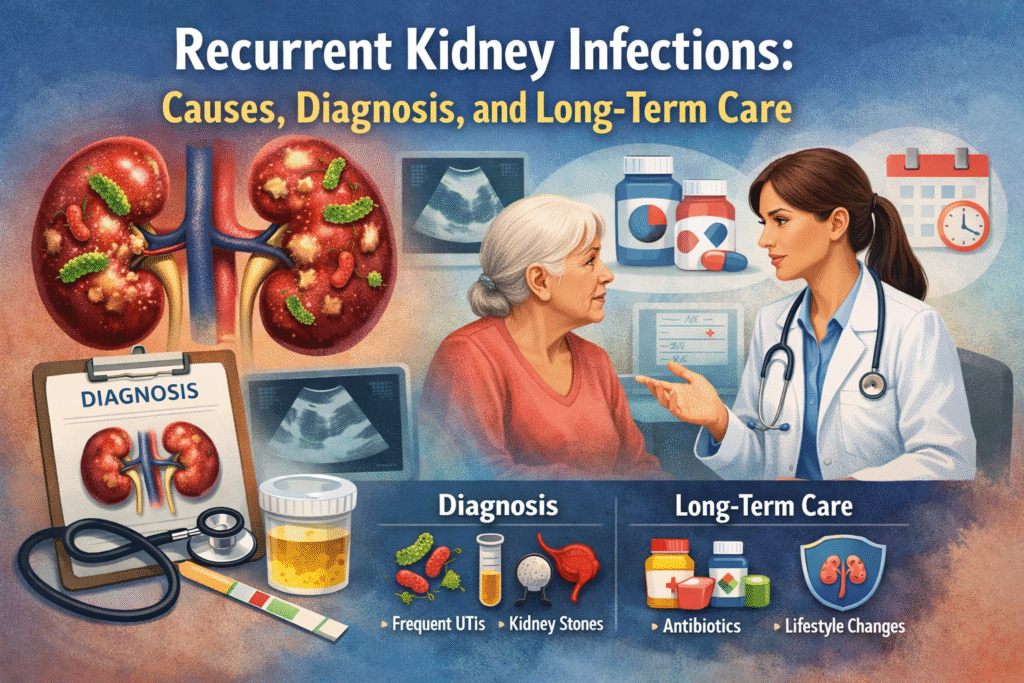
When a Kidney Infection Becomes an Emergency: Red Flag Symptoms

Kidney infections, medically known as pyelonephritis, are serious urinary tract infections (UTIs) that can affect one or both kidneys. While many UTIs are mild and manageable with proper care, a kidney infection can quickly escalate into a medical emergency if not addressed promptly. Recognizing the red flag symptoms early can save your kidneys and even your life. As a trusted Urologist in Pune, Dr. Rakhit Ahuja emphasizes the importance of awareness and timely medical intervention when it comes to kidney health. Here’s what you need to know about when a kidney infection becomes urgent and requires immediate attention. Understanding Kidney Infections Kidneys play a crucial role in filtering waste from the blood and maintaining fluid and electrolyte balance. When bacteria travel from the bladder or urethra to the kidneys, they can cause infection. Common causes include untreated UTIs, kidney stones, structural abnormalities in the urinary tract, or a weakened immune system. Early symptoms of a kidney infection often resemble a regular UTI and may include: Frequent urination Burning sensation during urination Lower abdominal discomfort Mild fever or chills While these symptoms warrant prompt consultation, certain warning signs indicate that the infection has progressed and requires urgent medical care. Red Flag Symptoms of a Kidney Infection High Fever and Chills A mild fever may be common in a UTI, but a sudden, high-grade fever (often above 101°F or 38.3°C) with chills signals that the infection is intensifying. This is the body’s response to a bacterial invasion that could potentially enter the bloodstream. Severe Flank Pain Pain in the side or back, just below the ribs (flank area), is a hallmark symptom of kidney involvement. Unlike mild abdominal discomfort, this pain is sharp, persistent, and often one-sided. It may radiate to the groin area in some cases. Nausea and Vomiting When the kidneys are inflamed, it can trigger systemic symptoms like nausea, vomiting, or loss of appetite. These signs indicate that the infection is affecting your entire body, not just the urinary tract. Blood in Urine (Hematuria) Pink, red, or brownish urine can be alarming and often suggests bleeding in the urinary tract. Blood in urine during a kidney infection is a serious symptom that requires immediate evaluation by a Kidney Specialist in Pune. Persistent Urinary Symptoms An urgent need to urinate, burning sensations, or cloudy and foul-smelling urine that doesn’t improve with home remedies or antibiotics could indicate a worsening infection. Confusion or Mental Changes Especially in older adults, kidney infections can lead to confusion, dizziness, or disorientation. This may be a sign of sepsis, a life-threatening condition caused by the spread of infection into the bloodstream. When to Seek Emergency Care If you experience any combination of the red flag symptoms listed above, it’s crucial to seek emergency medical attention immediately. Kidney infections left untreated can lead to serious complications, including: Kidney scarring or permanent damage Sepsis or septic shock Recurrent infections that affect overall kidney function Prompt intervention often involves intravenous antibiotics, pain management, and in severe cases, hospitalization. Early treatment drastically improves recovery and reduces the risk of long-term kidney damage. Prevention and Early Detection Prevention remains the best strategy. Maintaining proper hydration, practicing good urinary hygiene, and addressing UTIs early can significantly reduce the risk of kidney infections. Regular check-ups with a Kidney Specialist in Pune, especially for individuals with recurring UTIs, diabetes, or kidney stones, are essential for early detection and prevention. Conclusion Kidney infections can escalate quickly and become life-threatening if warning signs are ignored. Recognizing the red flag symptoms—high fever, severe flank pain, blood in urine, nausea, and confusion—is vital for timely intervention. Consulting a qualified Urologist in Pune like Dr. Rakhit Ahuja can ensure proper diagnosis, treatment, and follow-up care to protect your kidney health. Remember, your kidneys are vital organs, and early action can make all the difference. Don’t wait—if you notice any concerning symptoms, seek medical attention immediately. Select an element to maximize. Press ESC to cancel.

When a Kidney Infection Becomes an Emergency: Red Flag Symptoms Read More »

Kidney Cancer Treatment in Pune

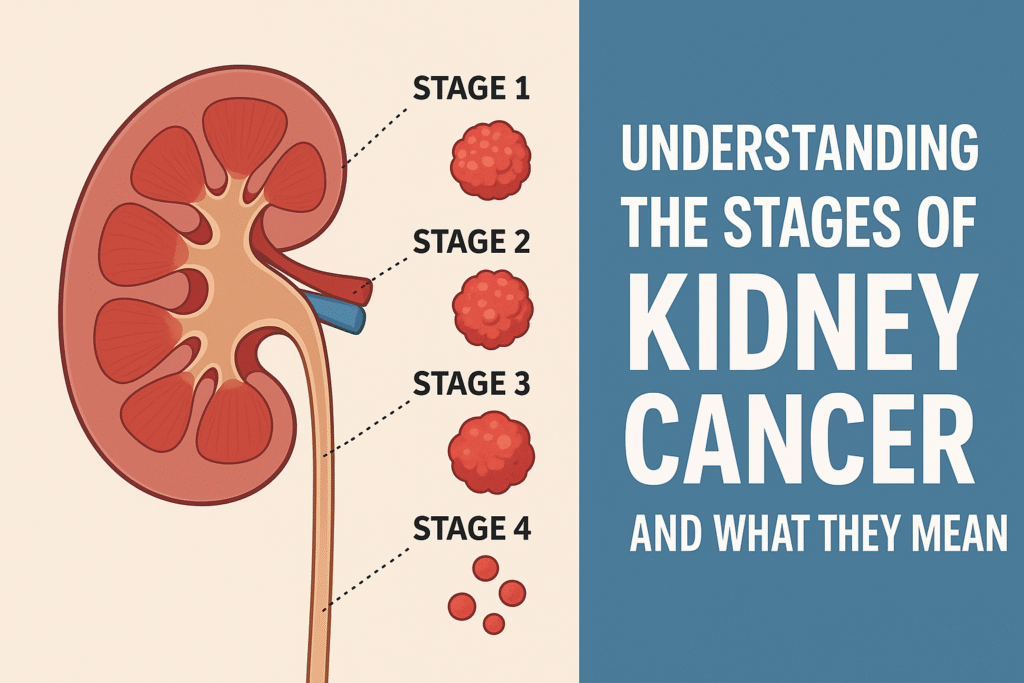
Understanding the Stages of Kidney Cancer and What They Mean

Kidney cancer is one of the most commonly diagnosed urological cancers, and understanding its stages is crucial for timely treatment and better outcomes. When detected early, kidney cancer can be managed effectively with advanced surgical and minimally invasive techniques. As a leading Urologist in Pune, Dr. Rakshit Ahuja emphasizes the importance of awareness, early detection, and choosing the right treatment approach. This blog will help you understand the stages of kidney cancer, what each stage means, and how timely Kidney Cancer Treatment in Pune can make a life-saving difference. Why Staging Matters in Kidney Cancer Staging tells us how far the cancer has grown, whether it is limited to the kidney or has spread to nearby organs. It helps your Kidney Specialist in Pune decide the most suitable treatment—such as surgery, targeted therapy, immunotherapy, or active surveillance. Kidney cancer staging typically follows the TNM system: T (Tumor) – Size and spread of the tumor. N (Nodes) – Whether cancer has reached lymph nodes. M (Metastasis) – Whether it has spread to distant organs. Understanding each stage empowers patients to make informed decisions about their health. Stage 1: Early, Localized, and Highly Treatable Stage 1 kidney cancer means the tumor is 7 cm or smaller and confined within the kidney. There is no spread to lymph nodes or distant organs. What It Means Often asymptomatic and detected incidentally during ultrasounds, CT scans, or health checkups. High treatment success rate when the tumor is removed early. Treatment Options Partial Nephrectomy (kidney-sparing surgery) Minimally invasive laparoscopic or robotic surgery Early-stage cancers treated by an experienced Urologist in Pune typically have excellent outcomes with minimal impact on kidney function. Stage 2: Larger Tumor, Still Within the Kidney In Stage 2, the tumor is larger than 7 cm but still confined to the kidney. What It Means Slightly more advanced, but still considered localized. High chance of cure with timely surgical intervention. Treatment Options Radical Nephrectomy (complete removal of the affected kidney) Robotic or laparoscopic approaches for faster recovery Choosing the right specialist for Kidney Cancer Treatment in Pune ensures advanced surgical precision and better postoperative results. Stage 3: Cancer Spreads to Major Veins or Lymph Nodes Stage 3 kidney cancer means: The tumor may have grown into major veins near the kidney (such as the renal vein). Or cancer cells have reached one or more nearby lymph nodes, but not distant organs. What It Means More complex, requiring expertise and a multidisciplinary approach. Symptoms like blood in urine, persistent back pain, or abdominal mass may appear. Treatment Options Radical Nephrectomy with Lymph Node Dissection Targeted therapy or immunotherapy, depending on severity A skilled Kidney Specialist in Pune like Dr. Rakshit Ahuja provides personalized treatment plans to combat cancer effectively at this stage. Stage 4: Advanced or Metastatic Kidney Cancer Stage 4 is the most advanced stage where: The cancer has spread (metastasized) to other organs like lungs, bones, or liver. Multiple lymph nodes may be involved. What It Means Symptoms become more noticeable—fatigue, weight loss, bone pain, coughing, or swelling. Treatment focuses on controlling cancer growth, improving survival, and enhancing quality of life. Treatment Options Targeted Therapies (to slow tumor growth) Immunotherapy Cytoreductive Nephrectomy (removal of kidney tumor even when cancer has spread, in selected cases) Palliative care for symptom management With advancements in medical science, patients receiving timely Kidney Cancer Treatment in Pune can still achieve meaningful recovery and long-term survival, even in advanced stages. Early Detection Can Save Lives Kidney cancer often grows silently with subtle or no symptoms. Common warning signs include: Blood in urine Unexplained weight loss Persistent side or back pain Fatigue Recurrent fever If you experience any of these, consulting a Urologist in Pune at the earliest can make a major difference. Why Choose Dr. Rakshit Ahuja? Dr. Rakshit Ahuja offers: Expertise in advanced laparoscopic and robotic urology Accurate diagnosis supported by modern imaging techniques Personalized treatment plans tailored to each patient Focus on organ-preserving surgeries whenever possible Compassionate care and long-term follow-up As a trusted Kidney Specialist in Pune, Dr. Ahuja ensures that patients receive the highest standard of care with the latest medical advancements. Final Thoughts Understanding the stages of kidney cancer helps you take proactive steps toward better health. Whether the cancer is detected early or in advanced stages, the right guidance and timely treatment can make a significant impact on survival and quality of life. If you or a loved one is seeking Kidney Cancer Treatment in Pune, consulting an experienced Urologist in Pune like Dr. Rakshit Ahuja is the first step toward recovery. Select an element to maximize. Press ESC to cancel.

Understanding the Stages of Kidney Cancer and What They Mean Read More »

kidney infection

Role of Hydration in Preventing Kidney Infection

Water is one of the most essential yet underestimated elements for maintaining kidney health. While most people know that staying hydrated supports overall well-being, many are unaware of how crucial it is in preventing kidney infections. Kidney infections, also known as pyelonephritis, occur when bacteria from the urinary tract travel up to the kidneys, leading to inflammation, pain, and potential complications if left untreated. One of the most effective and natural ways to reduce this risk is—proper hydration. As a trusted Urologist in Pune, Dr. Rakshit Ahuja emphasizes that simple lifestyle habits like drinking enough water daily can significantly reduce urinary tract infections (UTIs) and safeguard kidney function, especially for individuals prone to recurrent infections. Why Hydration Matters for Kidney Health Your kidneys perform the important role of filtering waste, toxins, and excess fluids from your blood, flushing them out of the body through urine. When your body lacks sufficient water: Urine becomes concentrated Bacterial growth increases The risk of infection rises Adequate hydration ensures a continuous flush of fluids through the urinary tract, preventing harmful bacteria from multiplying and causing infections. How Drinking Enough Water Prevents Kidney Infections Here are some important ways hydration protects your kidneys: 1. Flushes Out Bacteria Naturally Water is your body’s natural cleansing agent. Drinking enough fluids increases urine output, helping flush bacteria and toxins out of the urinary system. This prevents bacteria from settling in the bladder or kidneys and reduces the chances of infection. 2. Maintains Optimal Urine pH Levels Dehydration makes urine acidic and concentrated, creating the perfect environment for infection-causing bacteria such as E. coli to multiply. Proper hydration helps maintain a balanced urine pH, making it harder for bacteria to thrive. 3. Prevents Kidney Stones – A Major Infection Trigger Dehydration is one of the leading causes of kidney stones. Stones can block the flow of urine, creating a breeding ground for infections. Drinking water dilutes salt and mineral buildup, preventing stone formation. As a Kidney Specialist in Pune, Dr. Ahuja says that patients prone to stones must increase their daily water intake to 2.5–3 litres unless medically restricted. 4. Supports Faster Recovery from UTIs For individuals who already suffer from urinary infections, staying hydrated helps reduce discomfort, burning sensation, and severity of symptoms by promoting frequent urination and faster bacterial clearance from the urinary tract. How Much Water Should You Drink Daily? On average, a healthy adult should drink 8–10 glasses (2–3 litres) of water per day. The requirement may increase based on: Lifestyle / Condition Recommended Intake Hot climate or summer 3–3.5 litres Regular exercise Additional 500–700 ml Prone to kidney stones 3 litres minimum Medical restrictions As advised by Urologist Note: Individuals with kidney disorders should consult a Urology Doctor in Pune like Dr. Ahuja before increasing water intake. Best Hydrating Fluids for Kidney Health Not all fluids hydrate equally. For healthy kidneys and infection prevention, choose: ✅ Plain water – Best and simplest 🍋 Lemon water – Prevents stone formation 🥒 Infused water with cucumber or mint – Boosts hydration 🍉 Fruits rich in water – like watermelon, oranges, and berries 🥥 Tender coconut water – Natural electrolytes Limit or avoid beverages like caffeinated drinks, soft drinks, alcohol, and excessive tea/coffee as they may dehydrate the body. Signs You Are Not Drinking Enough Water Recognizing dehydration early can help prevent complications. Common warning signs include: Dark yellow or strong-smelling urine Infrequent urination Dry mouth and chapped lips Fatigue and dizziness Burning sensation while urinating If these symptoms persist, it is advisable to consult a Urologist in Pune for proper evaluation. Additional Tips to Prevent Kidney Infections Along with proper hydration, adopt these simple habits to keep your urinary system healthy: Do not hold urine for long periods Maintain proper intimate hygiene Urinate after sexual intercourse Wear breathable cotton undergarments Reduce salt intake to avoid strain on kidneys Include probiotics in diet to maintain gut and urinary health If you experience recurring UTIs, back pain, fever, or blood in urine, seek medical help immediately. When Should You Visit a Kidney Specialist in Pune? Consult a Kidney Specialist in Pune if you have: Recurrent UTIs or kidney infections Painful urination or burning sensation Lower abdominal or back pain Cloudy or foul-smelling urine Fever with chills and urinary symptoms Early diagnosis and treatment prevent complications and protect long-term kidney health. Conclusion Hydration is a simple yet powerful tool for preventing kidney infections and maintaining healthy kidneys. Making water a priority in your daily routine can go a long way in keeping your urinary system clean and infection-free. As a leading Urology Doctor in Pune, Dr. Rakshit Ahuja advises that prevention begins with lifestyle, and drinking adequate water is one of the easiest steps toward a healthy kidney life. If you or your loved ones experience urinary symptoms or frequent infections, don’t ignore them. Early consultation can help avoid serious complications. Select an element to maximize. Press ESC to cancel. Select an element to maximize. Press ESC to cancel.

Role of Hydration in Preventing Kidney Infection Read More »

Kidney Specialist in Pune

Complications of Untreated Kidney Infection: From Sepsis to Kidney Damage

A kidney infection, also known as pyelonephritis, is more serious than a regular urinary tract infection (UTI). While many people ignore early symptoms like burning urination, fever, or back pain, an untreated kidney infection can quickly escalate and lead to severe health complications. Early diagnosis and timely treatment from a qualified Urologist in Pune is crucial to prevent long-term kidney damage and life-threatening consequences. In this blog, we will discuss what happens when a kidney infection is left untreated and why consulting a Kidney Specialist in Pune can protect your health and kidney function. What Causes a Kidney Infection? Kidney infections usually occur when bacteria from the bladder travel upwards through the urinary tract and reach the kidneys. This may happen due to: Untreated or recurrent UTIs Kidney stones Enlarged prostate in men Weak immune system Structural abnormalities in the urinary tract Ignoring symptoms allows the infection to worsen, spreading rapidly to the bloodstream or damaging kidney tissues. Early Symptoms You Should Never Ignore Recognising symptoms at an early stage is the key to preventing complications. Watch out for: ✅ High fever or chills ✅ Persistent pain in the back or sides ✅ Burning or pain during urination ✅ Strong-smelling or cloudy urine ✅ Blood in urine ✅ Fatigue or nausea If any of these persist, you must consult a Kidney Specialist in Pune for timely evaluation. Complications of Untreated Kidney Infection If left untreated, a kidney infection can cause serious and sometimes irreversible health problems. Here are the major complications you should be aware of: 1. Permanent Kidney Damage (Chronic Kidney Disease) Persistent kidney infection damages the filtering units of the kidneys. Over time, this can lead to: Scarring of kidney tissue Reduced kidney function Chronic Kidney Disease (CKD) Hypertension (high blood pressure) In severe cases, this may progress to kidney failure, requiring dialysis or a kidney transplant. Seeking timely care from an experienced Urologist in Pune can help prevent such long-term complications. 2. Sepsis – A Life-Threatening Emergency One of the most dangerous complications of an untreated kidney infection is sepsis. When bacteria enter the bloodstream, it triggers widespread infection and inflammation. Signs of Sepsis Include: ⚠️ High fever ⚠️ Rapid heart rate or breathing ⚠️ Severe confusion or disorientation ⚠️ Low blood pressure Sepsis requires immediate hospitalisation and can be fatal if not treated quickly. Early kidney infection treatment significantly reduces this risk. 3. Kidney Abscess (Pus Formation in Kidney) An untreated infection can lead to formation of pus-filled pockets in or around the kidney. This is called a renal abscess. Symptoms may include: Severe back pain High fever that doesn’t respond to medicines Painful urination Kidney abscesses often require antibiotics or drainage procedures. Consulting a Kidney Specialist in Pune early can help avoid this complication. 4. Recurrent Kidney Infections Ignoring the infection once increases the chances of recurrence. Repeated kidney infections weaken the kidneys and raise the risk of: Chronic pain Repeated hospital visits Long-term kidney dysfunction People with diabetes, kidney stones, or urinary blockages are more likely to face recurrence if not treated properly the first time. 5. Pregnancy Complications An untreated kidney infection during pregnancy can be dangerous for both mother and baby. Possible risks include: Preterm labour Low birth weight High blood pressure Complications in delivery Pregnant women should consult a Urologist in Pune at the earliest signs of a UTI to ensure safe and effective treatment. How Can a Urologist Help? A trained Urologist in Pune diagnoses kidney infections through tests such as urine analysis, ultrasound, and sometimes CT scans to assess the extent of infection. Treatment usually includes: Antibiotics Pain management Hydration Treatment of underlying causes like stones or urinary obstruction Early intervention can completely cure the infection and safeguard kidney health. When to See a Kidney Specialist Seek medical attention immediately if: You have recurring UTIs You notice back pain with fever There is blood in urine Symptoms last beyond 48 hours Delaying treatment can turn a simple infection into a serious health threat. Final Words Kidney infections should never be ignored. Timely treatment not only ensures quick recovery but also prevents life-threatening complications like sepsis, kidney failure, or permanent kidney damage. If you or someone you know is experiencing symptoms of a kidney infection, it’s important to consult a trusted Dr Rakshit Ahuja, Kidney Specialist in Pune for accurate diagnosis and treatment. Taking early action is the best way to protect your kidneys and overall health. Select an element to maximize. Press ESC to cancel.

Complications of Untreated Kidney Infection: From Sepsis to Kidney Damage Read More »

Kidney Specialist In Pune

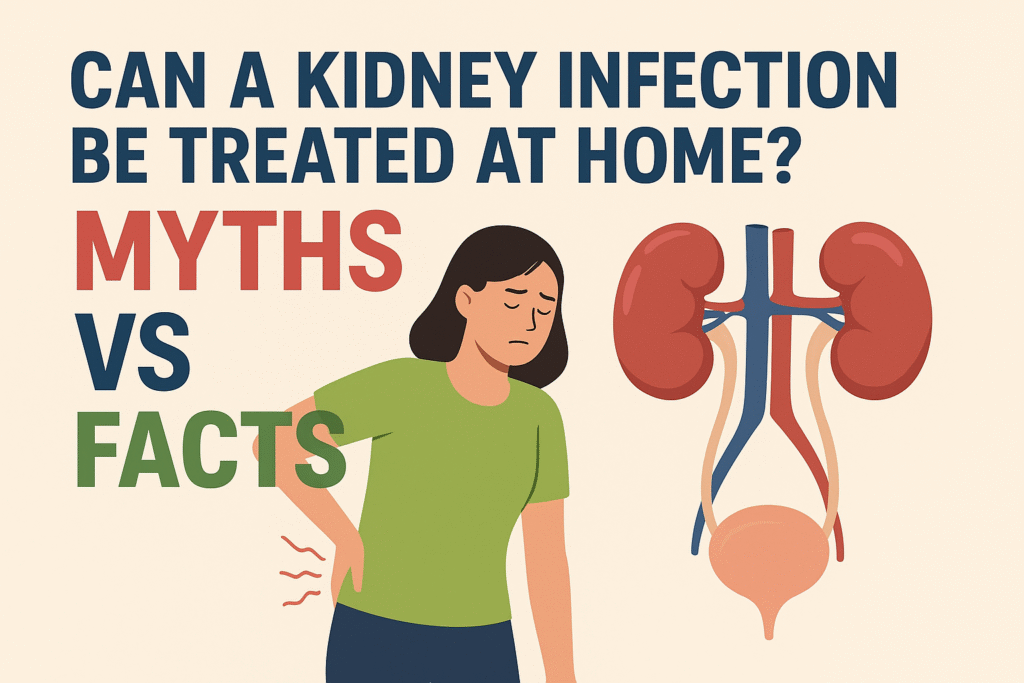
Can a Kidney Infection Be Treated at Home? Myths vs Facts

Kidney infections, also known as pyelonephritis, are serious infections that affect one or both kidneys. They usually occur when bacteria from the urinary tract travel up to the kidneys. While mild urinary tract infections (UTIs) may improve with home care or oral antibiotics, kidney infections are not something to take lightly. Yet, many people mistakenly believe that these infections can be treated at home using home remedies or over-the-counter medicines. In this blog, Dr. Rakshit Ahuja, a leading Urologist in Pune, clears the air about what’s true and what’s not when it comes to treating kidney infections. Myth 1: Drinking Lots of Water Can Cure Kidney Infections Fact: Staying hydrated helps flush bacteria from your urinary tract and supports kidney function — but it cannot cure an active infection. Water can only help prevent UTIs or assist recovery after medical treatment. Once bacteria reach your kidneys, they multiply rapidly and can cause fever, chills, and flank pain. Without proper antibiotics prescribed by a Kidney Specialist in Pune, the infection may worsen or spread to the bloodstream, leading to a condition called sepsis, which can be life-threatening. So, while water is beneficial, it is not a cure for a kidney infection. Always consult your doctor if symptoms persist beyond a day or two. Myth 2: Home Remedies Like Cranberry Juice Are Enough Fact: Cranberry juice may help prevent urinary infections by stopping bacteria from sticking to the urinary tract walls, but it cannot treat a kidney infection. Once bacteria have reached the kidneys, antibiotic treatment is essential. Delaying proper care in favor of home remedies can lead to complications such as abscess formation, kidney damage, or chronic infections. If you experience symptoms like fever, back pain, nausea, or burning urination, seek immediate medical attention from an experienced Urologist in Pune. Myth 3: If Symptoms Improve, You Can Stop Antibiotics Fact: Stopping antibiotics early is one of the biggest mistakes people make. Even if symptoms subside after a few doses, the bacteria may still be active. Incomplete treatment can cause recurrence and make the bacteria resistant to antibiotics. Always complete the full course of medication as prescribed by your Kidney Specialist in Pune to ensure complete eradication of the infection. Myth 4: Painkillers Can Treat Kidney Infections Fact: Painkillers can temporarily relieve discomfort but do not treat the root cause of infection. Pain management may help with symptom relief, but antibiotics are the only effective treatment for bacterial kidney infections. Using painkillers excessively can even harm your kidneys, especially if your kidney function is already affected. That’s why proper diagnosis and treatment under medical supervision are essential. Myth 5: Kidney Infections Always Cause Severe Symptoms Fact: Not all kidney infections show intense symptoms in the early stages. Some people might only feel mild back pain, fatigue, or frequent urination without fever. However, if left untreated, the infection can suddenly worsen. That’s why even mild urinary symptoms should never be ignored. Early diagnosis and treatment from a qualified Urologist in Pune can prevent the infection from spreading or causing kidney damage. When to See a Doctor If you notice any of the following signs, do not attempt home treatment — consult your doctor immediately: Persistent fever or chills Pain in the back, side, or groin Nausea or vomiting Cloudy or foul-smelling urine Burning sensation while urinating Blood in urine These symptoms could indicate a kidney infection that needs urgent medical attention. Treatment for Kidney Infections A Kidney Specialist will usually recommend: Antibiotic therapy (oral or intravenous, depending on severity) Adequate hydration to flush bacteria Pain management with safe medication Follow-up urine tests to confirm complete recovery In severe cases, hospitalization may be necessary for intravenous antibiotics or drainage of abscesses. Prevention Tips While you can’t always prevent kidney infections, these tips help reduce your risk: Drink plenty of water daily Urinate frequently and don’t hold urine for long Wipe from front to back to prevent bacterial spread Empty your bladder after sexual intercourse Manage conditions like diabetes that increase infection risk Final Thoughts Kidney infections are serious medical conditions that should never be treated casually at home. While home remedies and hydration can support overall kidney health, they are not substitutes for professional care. If you suspect a kidney infection, seek help immediately from an expert like Dr. Rakshit Ahuja, a trusted Urologist in Pune. Early diagnosis and proper treatment ensure a full recovery and protect your kidneys from lasting damage. Remember: Timely medical care saves kidneys — and lives. Don’t rely on myths; rely on medical expertise. Dr. Rakshit Ahuja — Kidney Specialist in Pune Expert in Kidney Stone, UTI, and Prostate Treatments Book your consultation today to ensure your kidneys stay healthy and infection-free. Select an element to maximize. Press ESC to cancel. Select an element to maximize. Press ESC to cancel.

Can a Kidney Infection Be Treated at Home? Myths vs Facts Read More »

Kidney Infection vs Stones

Kidney Infection vs Kidney Stones: Key Differences and Symptoms

Kidney-related health issues can be both painful and serious if not diagnosed and treated promptly. Among the most common kidney problems are kidney infections and kidney stones. While they both affect the kidneys, their causes, symptoms, and treatments differ significantly. Understanding these differences can help you seek timely medical care and avoid complications. Dr. Rakshit Ahuja, a renowned Urologist In Pune, emphasizes the importance of early detection and proper treatment for kidney conditions. Kidney Infection A kidney infection, also known as pyelonephritis, occurs when bacteria travel from the urinary tract to the kidneys. It can lead to inflammation and, if untreated, permanent kidney damage. Common symptoms include persistent back or side pain, high fever, nausea, vomiting, and frequent urination with a burning sensation. Some patients also notice cloudy or foul-smelling urine. Early diagnosis by a Urologist In Pune is crucial to prevent complications such as sepsis or kidney scarring. Treatment usually involves antibiotics, and in severe cases, hospitalization may be necessary. Maintaining proper hydration and avoiding holding urine for long periods can also help reduce the risk of kidney infections. Kidney Stones Kidney stones, on the other hand, are hard deposits of minerals and salts that form inside the kidneys. They vary in size and can cause excruciating pain when passing through the urinary tract. Unlike kidney infections, kidney stones are not caused by bacteria, but factors like dehydration, certain diets, obesity, and family history can increase the risk. Symptoms of kidney stones include severe pain in the side and back, below the ribs, pain during urination, pink, red, or brown urine, and frequent urination. Some people may also experience nausea and vomiting due to the intense discomfort. Treatment may involve drinking plenty of water, medication to facilitate stone passage, or procedures such as lithotripsy or surgical removal. A Urology Doctor In Pune can assess the size and type of stone to determine the most effective treatment plan. Key Differences Between Kidney Infection and Kidney Stones While both conditions affect the kidneys and share some overlapping symptoms like pain and nausea, there are clear differences: Cause: Kidney infections are primarily caused by bacterial infections, whereas kidney stones form due to mineral and salt buildup. Symptoms: Kidney infections often present with fever, chills, and urinary tract symptoms like burning or urgency. Kidney stones, however, are more likely to cause sharp, severe pain that may radiate to the lower abdomen or groin. Treatment: Kidney infections require antibiotics and sometimes hospitalization, while kidney stones may require procedures to break or remove the stones if they do not pass naturally. Complications: Untreated kidney infections can lead to kidney damage or sepsis, while untreated kidney stones can cause urinary tract obstruction, infection, or chronic kidney disease. When to See a Doctor If you experience symptoms such as severe back pain, high fever, blood in urine, or persistent nausea, it is essential to consult a Kidney Specialist In Pune immediately. Early intervention can prevent complications and ensure effective recovery. Regular check-ups and imaging tests can help detect kidney stones or infections at an early stage. Dr. Rakshit Ahuja, an experienced urology professional, advises patients to maintain a healthy lifestyle, stay hydrated, and avoid excessive salt and protein intake to keep the kidneys functioning optimally. Kidney Infection Considerations Although kidney infections and stones are common, persistent kidney pain and unusual urinary symptoms should not be ignored, as they can sometimes indicate more severe conditions such as kidney cancer. Timely consultation with a Kidney Infection Treatment In Pune specialist ensures proper diagnosis and early intervention. Modern treatments, including minimally invasive surgery and advanced therapies, significantly improve patient outcomes. Preventive Measures for Kidney Health Maintaining kidney health involves staying well-hydrated, eating a balanced diet, and avoiding excessive consumption of salt, sugar, and processed foods. Regular exercise and avoiding smoking or alcohol can also support overall kidney function. Individuals with a family history of kidney stones or infections should undergo routine screening with a Urology Doctor In Pune to catch any issues early. In conclusion, while kidney infections and kidney stones may seem similar, understanding their differences is crucial for proper treatment. Prompt consultation with a Kidney Specialist In Pune can help manage symptoms effectively and prevent long-term complications. With awareness, preventive care, and timely medical intervention, you can ensure your kidneys remain healthy and functional for years to come. 📞 Book an Appointment: 98905 83933 🌐 Visit Our Website: www.drrakshitahujaurologist.com Select an element to maximize. Press ESC to cancel. Select an element to maximize. Press ESC to cancel. Select an element to maximize. Press ESC to cancel. Select an element to maximize. Press ESC to cancel.

Kidney Infection vs Kidney Stones: Key Differences and Symptoms Read More »

Kidney Cancer Treatment in Pune

Diet and Lifestyle Tips for Kidney Cancer Patients

Kidney cancer is a serious diagnosis, but it doesn’t mean life must stop. With proper medical care and personalized treatment, many patients go on to live healthy and fulfilling lives. Along with treatments such as surgery, immunotherapy, or targeted drugs, diet and lifestyle choices play a vital role in improving quality of life and supporting recovery. As a leading Urologist In Kharadi, Pune, Dr. Rakshit Ahuja emphasizes that each kidney cancer patient needs a holistic approach that combines medical expertise with healthy living. Here are the essential diet and lifestyle tips designed to support kidney cancer patients. 1. Eat a Balanced, Kidney-Friendly Diet When dealing with kidney cancer, your diet must support not only your general health but also kidney function. Here’s what a balanced diet should include: Fresh fruits and vegetables: Rich in antioxidants, vitamins, and minerals, they help the body heal and fight inflammation. Go for colorful options like carrots, spinach, apples, and berries. High-quality proteins: Kidney cancer patients may need to manage their protein intake. Choose lean protein sources such as chicken, fish, and plant-based options like lentils. Whole grains: Brown rice, quinoa, and oats are better than processed grains as they provide sustained energy. Healthy fats: Include olive oil, nuts, and seeds for good fats that support brain and heart health. A Kidney Specialist In Pune like Dr. Ahuja often recommends that patients work with a renal dietitian to personalize their eating plan based on the stage of cancer, kidney function, and treatment type. 2. Limit Salt and Processed Foods Processed foods are often high in sodium and preservatives, which can burden your kidneys. High salt intake may worsen high blood pressure, a common risk factor for kidney damage. Tips: Use fresh herbs and lemon juice for flavor instead of salt. Avoid canned soups, chips, pickles, and fast food. Always read food labels to check for sodium levels. 3. Stay Hydrated – But Cautiously Water is essential to keep your body functioning properly. However, hydration must be balanced. For some patients, especially those with one kidney or reduced kidney function, fluid intake may need to be restricted. Consult with your Urology Doctor In Pune to determine the appropriate amount of fluids for your specific condition. Avoid sugary drinks, sodas, and energy drinks. 4. Avoid Smoking and Alcohol Smoking increases the risk of recurrence and reduces the effectiveness of treatment. Alcohol may interfere with medication and put extra pressure on the kidneys. Quitting smoking and avoiding alcohol are two of the most powerful steps a kidney cancer patient can take to improve outcomes. Support groups, counseling, and nicotine replacement therapies can help. 5. Incorporate Gentle Physical Activity Staying active helps reduce fatigue, maintain muscle mass, and improve emotional well-being. Even light activity like walking or yoga can have significant benefits. Guidelines: Start slow: 15–30 minutes a day of gentle movement. Avoid strenuous exercises unless cleared by your doctor. Listen to your body and rest when needed. Regular movement supports circulation, boosts energy, and helps manage side effects of treatment. 6. Prioritize Quality Sleep Good sleep is essential for healing and immune function. Kidney cancer patients often experience sleep disturbances due to pain, stress, or medications. Sleep tips: Maintain a consistent sleep schedule. Avoid screens at least 1 hour before bed. Practice relaxation techniques like meditation or deep breathing. Talk to your Kidney Specialist In Pune if insomnia or sleep issues persist. 7. Focus on Mental Health A cancer diagnosis can be emotionally overwhelming. Stress, anxiety, and depression are common, but they should never be ignored. Suggestions: Speak to a mental health counselor or join a support group. Practice mindfulness or journaling. Stay connected with loved ones and talk openly about your feelings. Your emotional health plays a huge role in your physical recovery. 8. Regular Follow-ups and Monitoring After or during kidney cancer treatment, regular follow-ups are essential. These visits help in monitoring kidney function, checking for signs of recurrence, and adjusting treatment plans if necessary. Choose an experienced Urology Doctor In Pune who specializes in Kidney Cancer Treatment In Pune to ensure the best possible care and guidance throughout your journey. 9. Watch Out for Dietary Supplements While some supplements might seem helpful, not all are safe—especially for those undergoing cancer treatment. Certain herbal supplements can interfere with medications or stress the kidneys further. Always consult your doctor before taking any over-the-counter supplement, even if it’s labeled “natural.” Final Thoughts Managing kidney cancer is not just about medical treatments—it’s also about empowering yourself through everyday choices. Diet, activity, sleep, and mental well-being all play important roles in recovery. Whether you are in active treatment or post-treatment care, adopting a healthy lifestyle under the guidance of a trusted Urologist In Pune like Dr. Rakshit Ahuja can make a real difference in your journey. For expert consultation, tailored guidance, and comprehensive Kidney Cancer Treatment In Pune, don’t hesitate to reach out to one of the most trusted names in kidney care. 📞 Book an Appointment: 98905 83933 🌐 Visit Our Website: www.drrakshitahujaurologist.com Select an element to maximize. Press ESC to cancel. Select an element to maximize. Press ESC to cancel. Select an element to maximize. Press ESC to cancel. Select an element to maximize. Press ESC to cancel.

Diet and Lifestyle Tips for Kidney Cancer Patients Read More »

Kidney Cancer Treatment in Pune

Early Signs of Kidney Cancer You Shouldn’t Ignore

Kidney cancer, like many other forms of cancer, often starts quietly and subtly. It doesn’t always scream for attention, especially in its early stages. Unfortunately, this quiet nature can delay diagnosis until the disease has progressed. The good news is that being aware of the early signs and seeking prompt medical attention can significantly improve outcomes. In this blog, we’ll focus on the subtle symptoms of kidney cancer, the importance of early detection, and when it’s time to consult a Kidney Specialist In Pune. Understanding Kidney Cancer The kidneys are two bean-shaped organs that filter waste from the blood and help maintain a healthy balance of fluids and electrolytes. Kidney cancer occurs when cells in the kidneys begin to grow uncontrollably. The most common type of kidney cancer in adults is renal cell carcinoma (RCC). While kidney cancer is often detected incidentally during imaging tests for unrelated conditions, there are signs your body might give you—if you know what to look for. Subtle Symptoms You Shouldn’t Overlook 1. Persistent Back or Side Pain This is one of the most frequently ignored signs. The pain usually occurs just below the ribs and may come and go or remain constant. It’s important not to dismiss this as a simple muscle strain, especially if it’s persistent and doesn’t respond to rest or medication. 2. Blood in the Urine (Hematuria) Even a small trace of blood in the urine should not be ignored. Sometimes, the blood might not be visible to the naked eye and is only detectable through a urine test. It may appear pink, red, or cola-colored. While there are many causes of hematuria, such as infections or kidney stones, it can also be a warning sign of kidney cancer. 3. Unexplained Weight Loss Losing weight without changes in your diet or activity levels should always raise a red flag. While weight loss might be a desired goal for some, unintentional weight loss could be a symptom of an underlying illness, including cancer. 4. Fatigue and Weakness Many patients with early kidney cancer report feeling unusually tired and weak. This fatigue is not the kind that resolves with sleep and can be due to anemia or the cancer affecting your body’s normal function. 5. Fever Not Linked to Infections Recurring fevers without a clear cause, like a cold or flu, might also signal an underlying condition like kidney cancer. These fevers can come and go and may not always respond to medications. 6. A Lump or Mass in the Abdomen In some cases, a person may feel a lump or swelling on the side or lower back. While not always palpable in early stages, any abnormal mass should be evaluated immediately. 7. High Blood Pressure The kidneys help regulate blood pressure, and tumors can interfere with this function, causing unexplained hypertension. If your blood pressure has suddenly increased and doesn’t respond well to medication, kidney health should be evaluated. 8. Swelling in Legs or Ankles Poor kidney function may lead to fluid retention, resulting in swollen ankles or legs. While this symptom has many possible causes, it’s worth investigating if it occurs along with other signs mentioned above. Why Early Detection Matters Early detection of kidney cancer increases the chances of effective treatment and survival. When diagnosed at an early stage, the tumor can often be surgically removed before it spreads. Once it metastasizes, treatment becomes more complex and less likely to result in a full recovery. Advanced imaging techniques like ultrasound, CT scans, and MRIs, along with urine and blood tests, play a vital role in early diagnosis. If you experience any of the symptoms discussed—especially in combination—consulting a Kidney Specialist In Pune is essential. When to See a Kidney Specialist You should not wait for severe symptoms to take action. If you notice: Blood in your urine Persistent lower back or side pain Unexplained fatigue or weight loss Recurrent fevers with no known infection A noticeable lump or swelling in the abdomen …you should immediately seek medical advice. A Kidney Specialist In Pune, like Dr. Rakshit Ahuja, is trained to evaluate such symptoms and guide you through the appropriate diagnostic process. Whether it’s imaging, biopsy, or lab tests, the goal is to determine the cause quickly and accurately. Kidney Cancer Treatment Modern medicine has made great strides in Kidney Cancer Treatment In Pune. Depending on the stage and type of cancer, treatment options may include: Surgery (partial or total nephrectomy) Targeted therapy Immunotherapy Radiation therapy Ablative techniques (cryoablation or radiofrequency ablation) The treatment plan is always personalized based on the patient’s overall health, cancer stage, and specific medical needs. The sooner the diagnosis, the broader the treatment choices and the better the long-term prognosis. Final Thoughts Kidney cancer is a silent threat, often showing minimal or subtle symptoms in its early stages. However, your body often gives small hints when something isn’t right. Listening to those early signals and consulting a healthcare professional promptly can make a life-changing difference. If you or someone you love is experiencing any of the symptoms mentioned, don’t wait. Reach out to an experienced Kidney Specialist In Pune like Dr. Rakshit Ahuja for evaluation and expert guidance. Timely diagnosis and Kidney Cancer Treatment In Pune can save lives—and it starts with awareness. Stay alert, act early, and prioritize your kidney health. 📞 Book an Appointment: 98905 83933 🌐 Visit Our Website: www.drrakshitahujaurologist.com Select an element to maximize. Press ESC to cancel.

Early Signs of Kidney Cancer You Shouldn’t Ignore Read More »

Kidney Specialist in Pune

Is Your Workout Causing Kidney Stones? The Link Between Exercise & Stone Formation

Exercise is essential for maintaining overall health, but could your workout routine be contributing to kidney stone formation? It may sound surprising, but certain fitness habits—especially when not balanced with proper hydration and diet—can increase your risk of developing kidney stones. In this blog, Dr. Rakshit Ahuja, a leading Urologist in Pune, explains the unexpected connection between exercise and kidney stones, and offers practical tips to stay fit without compromising your kidney health. Understanding Kidney Stones Kidney stones are hard deposits of minerals and salts that form in the kidneys. They are often caused by factors like dehydration, dietary imbalances, certain medical conditions, and genetics. The most common types of kidney stones include calcium oxalate, uric acid, struvite, and cystine stones. As a Kidney Specialist in Pune, has seen an increase in the number of active individuals suffering from kidney stones due to a few overlooked factors in their workout regimen. How Can Exercise Contribute to Kidney Stones? While exercise in itself doesn’t directly cause kidney stones, some associated habits might increase the risk: 1. Dehydration from Intense Workouts Heavy sweating without replenishing fluids leads to concentrated urine, which makes it easier for minerals to clump together and form stones. Athletes or gym-goers often overlook this, especially during endurance training or outdoor workouts in hot weather. 2. High-Protein Diets Many fitness enthusiasts consume high amounts of protein to build muscle. However, excessive protein intake can increase uric acid levels and reduce citrate, a natural inhibitor of stone formation, in the urine. 3. Overuse of Supplements Calcium, vitamin D, and other supplements taken in high doses without medical supervision can tip the balance of minerals in the body. This can create the ideal environment for stone formation. 4. Weight Loss and Fat Breakdown Rapid weight loss or extreme dieting during training may increase the concentration of waste products in urine, contributing to stone development. Recognizing the Warning Signs Some early symptoms of kidney stones include: Sharp pain in the back or side Painful or frequent urination Blood in urine Nausea or vomiting If you experience any of these symptoms, consult a Urologist in Kharadi, Pune for prompt evaluation and Kidney Stone Treatment in Pune. Preventive Measures for Fitness Enthusiasts Dr. Rakshit Ahuja recommends the following steps to reduce your risk of developing kidney stones while maintaining your active lifestyle: ✅ Stay Hydrated Drink plenty of water before, during, and after workouts. Aim for at least 2.5 to 3 liters of water daily unless advised otherwise by your doctor. ✅ Balance Your Diet Instead of overloading on proteins and supplements, maintain a balanced diet rich in fruits, vegetables, and whole grains. Citrus fruits like lemons and oranges help reduce the risk of stone formation. ✅ Monitor Supplement Intake If you’re taking calcium or vitamin D supplements, do so under medical guidance. Over-supplementation can be harmful to kidney health. ✅ Listen to Your Body Do not ignore signs like dark-colored urine, persistent fatigue, or pain during urination. These could be early indicators of kidney issues. Seeking Expert Care If you’re dealing with recurring kidney stones or want guidance on how to prevent them, a consultation with a Kidney Specialist in Pune is essential. Dr. Rakshit Ahuja offers comprehensive care and personalized treatment plans tailored to your health and lifestyle needs. As a trusted Urologist in Pune, he combines medical expertise with modern diagnostic tools to ensure the best outcomes. For those living in East Pune, Dr. Ahuja is also known as a reputed Urologist in Kharadi, Pune, with a clinic conveniently located for residents of Kharadi, Viman Nagar, and nearby areas. Conclusion Exercise is vital for your health, but it must go hand-in-hand with smart hydration and dietary habits. Understanding the link between fitness and kidney stones can help you make informed choices that protect your kidneys in the long run. Don’t let kidney stones disrupt your fitness goals. For expert diagnosis and Kidney Stone Treatment in Pune, schedule your consultation with Dr. Rakshit Ahuja, your trusted Urologist in Pune and Kidney Specialist in Pune. Stay fit. Stay hydrated. Stay kidney-smart. 📞 Book an Appointment: 98905 83933 🌐 Visit Our Website: www.drrakshitahujaurologist.com Select an element to maximize. Press ESC to cancel. Select an element to maximize. Press ESC to cancel. Select an element to maximize. Press ESC to cancel.

Is Your Workout Causing Kidney Stones? The Link Between Exercise & Stone Formation Read More »

Kidney Stone Treatment in Pune

Types of Kidney Stones and How They Form – A Guide by a Kidney Specialist in Pune

Kidney stones are a common and painful urological condition affecting people of all ages. These hard deposits form inside the kidneys when minerals and salts in the urine crystallize. Understanding the types of kidney stones and how they form is essential for proper diagnosis, prevention, and treatment. In this blog, Dr. Rakshit Ahuja, a leading Kidney Specialist in Pune, shares expert insights into the different types of kidney stones and their causes. What Are Kidney Stones? Kidney stones, also known as renal calculi, are solid masses made of crystals. They vary in size, ranging from tiny grains to larger stones that can block the flow of urine. Depending on their composition, kidney stones are classified into different types. Identifying the type of stone is key to choosing the right Kidney Stone Treatment in Pune. Types of Kidney Stones 1. Calcium Oxalate Stones These are the most common type of kidney stones, formed when calcium combines with oxalate in the urine. Oxalate is naturally found in certain foods like spinach, nuts, and chocolate. Dehydration, high-oxalate diets, and certain metabolic disorders can increase the risk of these stones. A Best Urologist in Pune, often advises patients to drink plenty of water and limit oxalate-rich foods to reduce recurrence. 2. Calcium Phosphate Stones These stones are also calcium-based but form in alkaline urine. Conditions like hyperparathyroidism and urinary tract infections can increase the risk. Managing the pH balance of urine is crucial to preventing these stones. As a Kidney Specialist, often recommends dietary and lifestyle changes along with medications for patients prone to calcium phosphate stones. 3. Uric Acid Stones These form when urine is too acidic and is more common in people with high purine intake (found in red meat, shellfish, and organ meats). Individuals with gout or those undergoing chemotherapy are at higher risk. Proper hydration and medications to reduce uric acid levels are essential. For those seeking Kidney Stone Treatment, early detection of uric acid stones can help avoid complications and more invasive treatments. 4. Struvite Stones Also known as infection stones, struvite stones form in response to urinary tract infections (UTIs). They grow quickly and can become quite large, potentially causing serious kidney damage. These stones require prompt medical attention. A trusted Urologist in Kharadi Pune, emphasizes the importance of treating the underlying infection to prevent struvite stones from forming or recurring. 5. Cystine Stones Cystine stones are rare and usually hereditary, forming in individuals with a condition called cystinuria. This genetic disorder causes the kidneys to excrete too much cystine, which leads to stone formation. As an experienced Urologist provides long-term treatment plans and monitoring for patients with cystinuria to help manage and prevent these challenging stones. How Kidney Stones Form: The Science Behind It Kidney stones develop when your urine becomes too concentrated, allowing minerals and salts to stick together and form crystals. Over time, these crystals grow into stones. The primary factors contributing to stone formation include: Dehydration: Not drinking enough water leads to concentrated urine. Diet: High intake of sodium, protein, and oxalate-rich foods can increase stone risk. Medical Conditions: Certain diseases like hyperparathyroidism, obesity, and urinary tract infections raise the likelihood of stone formation. Genetics: Family history plays a significant role, especially in rare types like cystine stones. Prevention and Treatment Options The good news is that kidney stones can often be prevented with lifestyle changes and proper hydration. However, when stones form, treatment depends on their type and size. Kidney Stone Treatment offered by Dr. Rakshit Ahuja includes: Medical Therapy: Medications to dissolve small stones or prevent new ones. Extracorporeal Shock Wave Lithotripsy (ESWL): Non-invasive technique using shock waves to break stones. Laser Lithotripsy: Advanced procedure to fragment stones via ureteroscopy. Surgery: For very large or complex stones. Regular follow-ups with a Kidney Specialist can help monitor your kidney health and avoid recurrence. Why Choose us? If you’re looking for expert care and personalized treatment, a highly experienced Urologist in Pune, is here to help. With a clinic conveniently located for those searching for a Urologist in Kharadi, Pune, Dr. Ahuja combines advanced diagnostic tools with a compassionate approach to ensure the best outcomes for his patients. Final Thoughts Kidney stones can be painful and disruptive, but with the right knowledge and care, they are manageable and often preventable. Understanding the types of stones and how they form is the first step toward effective treatment. Whether you’re facing symptoms or want to avoid future episodes, consulting a trusted Kidney Specialist in Pune like Dr. Rakshit Ahuja ensures you’re on the right path. Don’t wait—your kidney health is worth protecting. To book an appointment with Leading Urologist for expert Kidney Stone Treatment in Pune – contact us today. 📞 Book an Appointment: 98905 83933 🌐 Visit Our Website: www.drrakshitahujaurologist.com Select an element to maximize. Press ESC to cancel. Select an element to maximize. Press ESC to cancel.

Types of Kidney Stones and How They Form – A Guide by a Kidney Specialist in Pune Read More »