Dr. Rakshit Ahuja

Urology Doctor In Pune

Dr. Rakshit Ahuja is a highly regarded Urologist in Pune, offering expert care for a wide range of urological conditions, including kidney stones, urinary tract infections, and prostate disorders. As a trusted Urology Doctor in Pune, he combines advanced diagnostics with compassionate care to deliver personalized treatment plans for men’s health and urinary wellness. Whether you’re dealing with recurring urinary issues or seeking preventive prostate care, Dr. Rakshit Ahuja provides reliable and effective solutions to improve your quality of life. His patient-first approach and expertise make him a preferred choice for comprehensive Urological Care in Pune.

Select an element to maximize. Press ESC to cancel.

Kidney Specialist In Pune

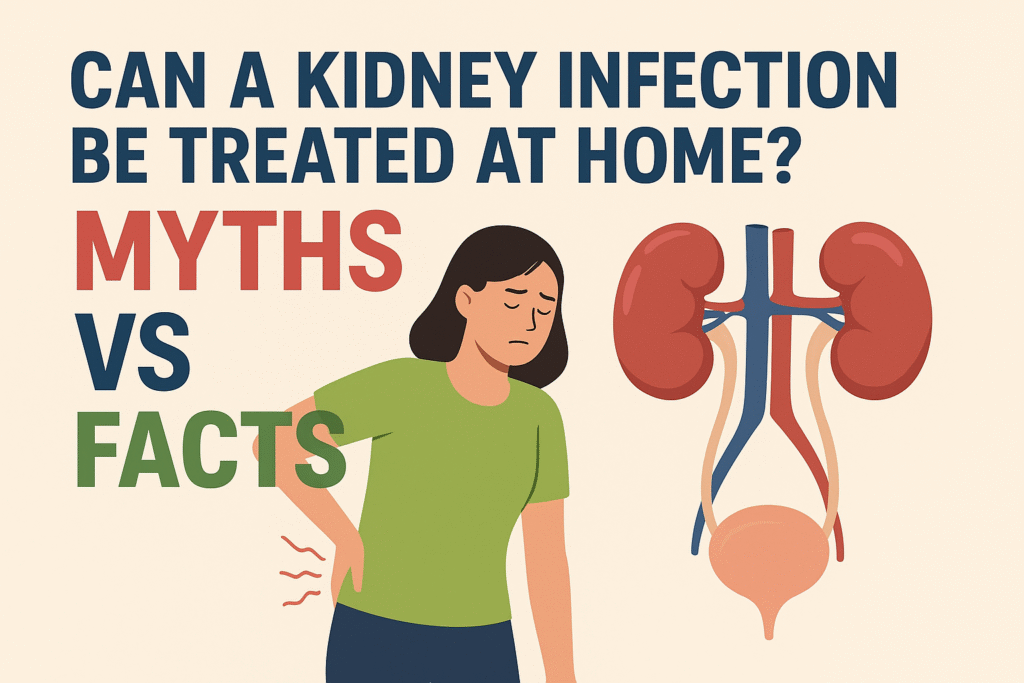
Can a Kidney Infection Be Treated at Home? Myths vs Facts

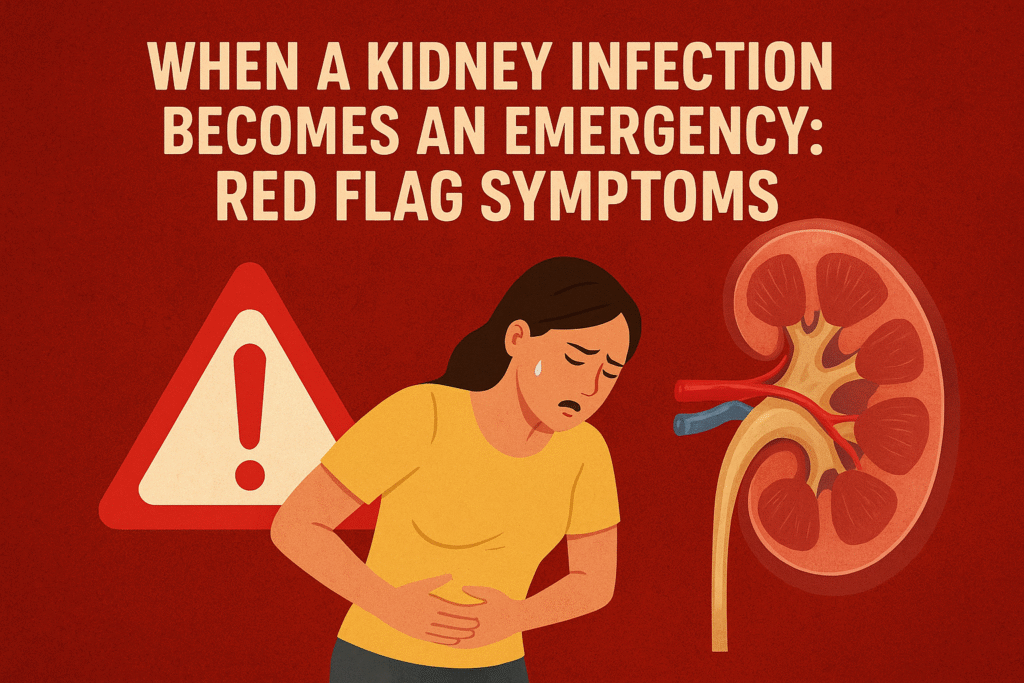
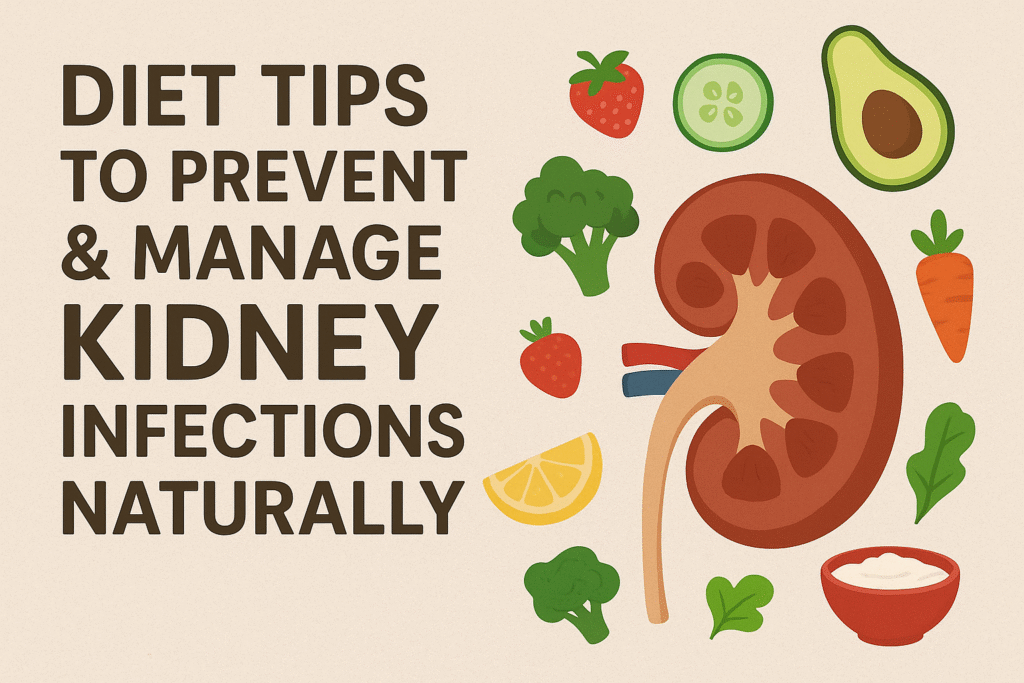
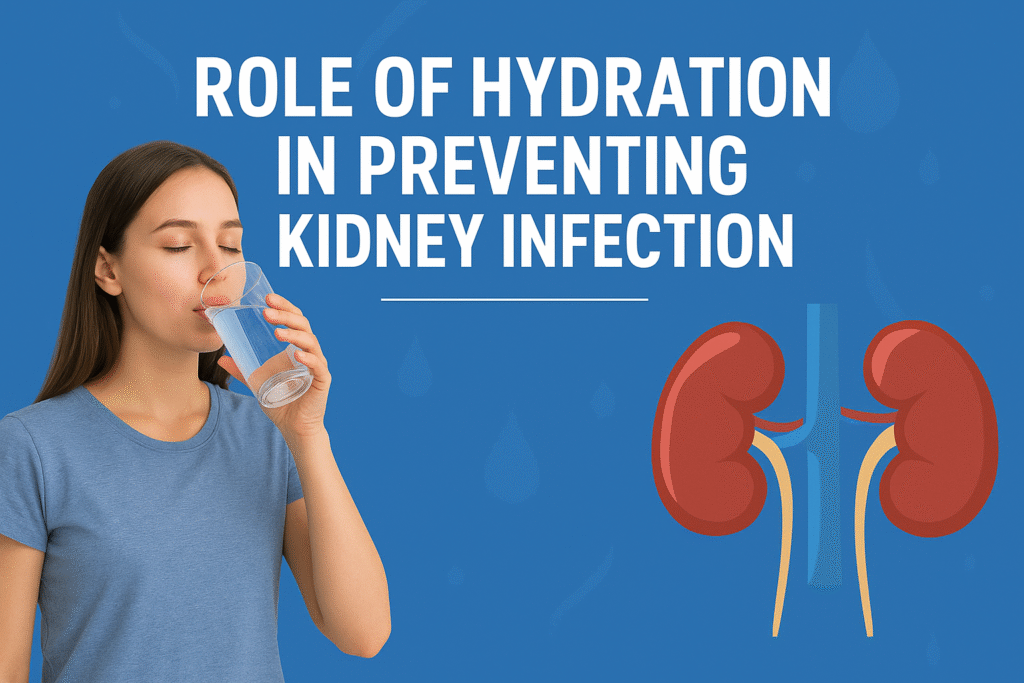
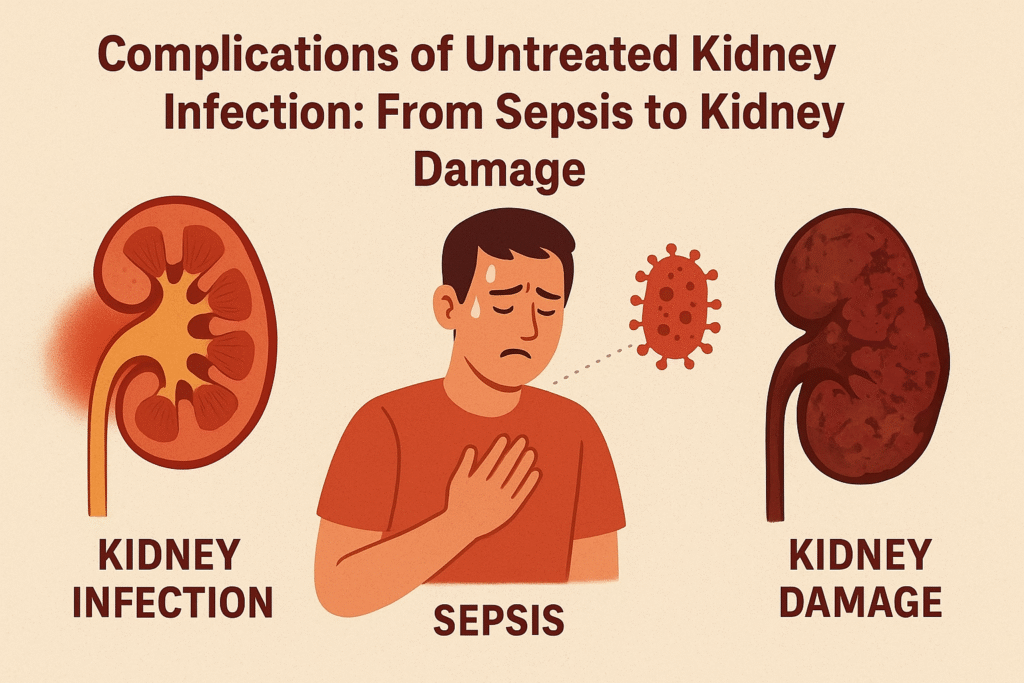
Kidney infections, also known as pyelonephritis, are serious infections that affect one or both kidneys. They usually occur when bacteria from the urinary tract travel up to the kidneys. While mild urinary tract infections (UTIs) may improve with home care or oral antibiotics, kidney infections are not something to take lightly. Yet, many people mistakenly believe that these infections can be treated at home using home remedies or over-the-counter medicines. In this blog, Dr. Rakshit Ahuja, a leading Urologist in Pune, clears the air about what’s true and what’s not when it comes to treating kidney infections. Myth 1: Drinking Lots of Water Can Cure Kidney Infections Fact: Staying hydrated helps flush bacteria from your urinary tract and supports kidney function — but it cannot cure an active infection. Water can only help prevent UTIs or assist recovery after medical treatment. Once bacteria reach your kidneys, they multiply rapidly and can cause fever, chills, and flank pain. Without proper antibiotics prescribed by a Kidney Specialist in Pune, the infection may worsen or spread to the bloodstream, leading to a condition called sepsis, which can be life-threatening. So, while water is beneficial, it is not a cure for a kidney infection. Always consult your doctor if symptoms persist beyond a day or two. Myth 2: Home Remedies Like Cranberry Juice Are Enough Fact: Cranberry juice may help prevent urinary infections by stopping bacteria from sticking to the urinary tract walls, but it cannot treat a kidney infection. Once bacteria have reached the kidneys, antibiotic treatment is essential. Delaying proper care in favor of home remedies can lead to complications such as abscess formation, kidney damage, or chronic infections. If you experience symptoms like fever, back pain, nausea, or burning urination, seek immediate medical attention from an experienced Urologist in Pune. Myth 3: If Symptoms Improve, You Can Stop Antibiotics Fact: Stopping antibiotics early is one of the biggest mistakes people make. Even if symptoms subside after a few doses, the bacteria may still be active. Incomplete treatment can cause recurrence and make the bacteria resistant to antibiotics. Always complete the full course of medication as prescribed by your Kidney Specialist in Pune to ensure complete eradication of the infection. Myth 4: Painkillers Can Treat Kidney Infections Fact: Painkillers can temporarily relieve discomfort but do not treat the root cause of infection. Pain management may help with symptom relief, but antibiotics are the only effective treatment for bacterial kidney infections. Using painkillers excessively can even harm your kidneys, especially if your kidney function is already affected. That’s why proper diagnosis and treatment under medical supervision are essential. Myth 5: Kidney Infections Always Cause Severe Symptoms Fact: Not all kidney infections show intense symptoms in the early stages. Some people might only feel mild back pain, fatigue, or frequent urination without fever. However, if left untreated, the infection can suddenly worsen. That’s why even mild urinary symptoms should never be ignored. Early diagnosis and treatment from a qualified Urologist in Pune can prevent the infection from spreading or causing kidney damage. When to See a Doctor If you notice any of the following signs, do not attempt home treatment — consult your doctor immediately: Persistent fever or chills Pain in the back, side, or groin Nausea or vomiting Cloudy or foul-smelling urine Burning sensation while urinating Blood in urine These symptoms could indicate a kidney infection that needs urgent medical attention. Treatment for Kidney Infections A Kidney Specialist will usually recommend: Antibiotic therapy (oral or intravenous, depending on severity) Adequate hydration to flush bacteria Pain management with safe medication Follow-up urine tests to confirm complete recovery In severe cases, hospitalization may be necessary for intravenous antibiotics or drainage of abscesses. Prevention Tips While you can’t always prevent kidney infections, these tips help reduce your risk: Drink plenty of water daily Urinate frequently and don’t hold urine for long Wipe from front to back to prevent bacterial spread Empty your bladder after sexual intercourse Manage conditions like diabetes that increase infection risk Final Thoughts Kidney infections are serious medical conditions that should never be treated casually at home. While home remedies and hydration can support overall kidney health, they are not substitutes for professional care. If you suspect a kidney infection, seek help immediately from an expert like Dr. Rakshit Ahuja, a trusted Urologist in Pune. Early diagnosis and proper treatment ensure a full recovery and protect your kidneys from lasting damage. Remember: Timely medical care saves kidneys — and lives. Don’t rely on myths; rely on medical expertise. Dr. Rakshit Ahuja — Kidney Specialist in Pune Expert in Kidney Stone, UTI, and Prostate Treatments Book your consultation today to ensure your kidneys stay healthy and infection-free. Select an element to maximize. Press ESC to cancel. Select an element to maximize. Press ESC to cancel.

Can a Kidney Infection Be Treated at Home? Myths vs Facts Read More »

Kidney Infection vs Stones

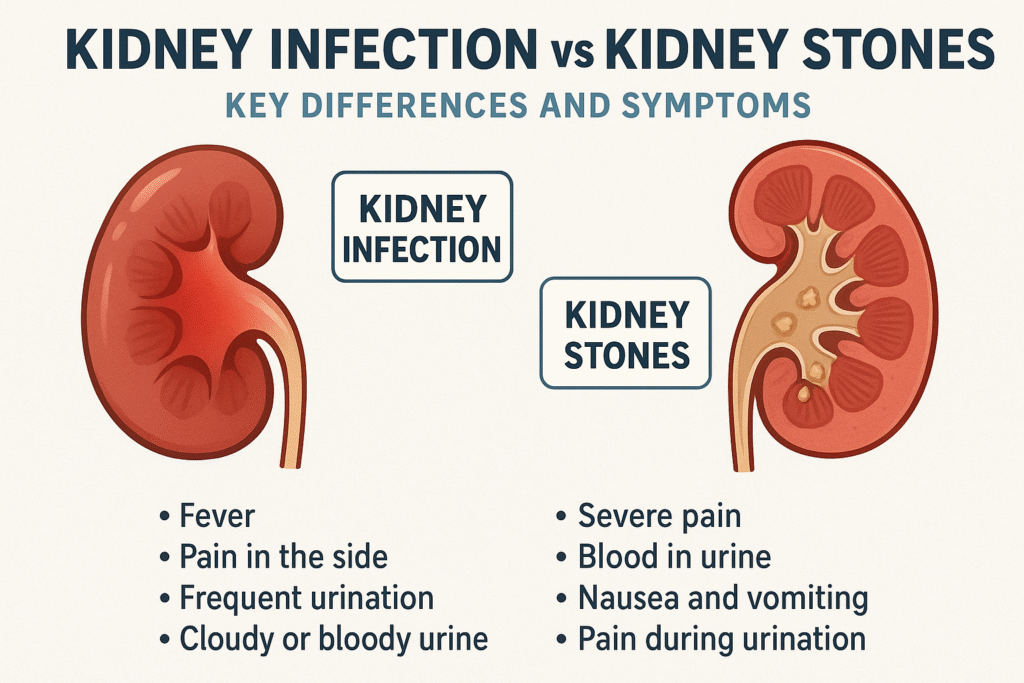
Kidney Infection vs Kidney Stones: Key Differences and Symptoms

Kidney-related health issues can be both painful and serious if not diagnosed and treated promptly. Among the most common kidney problems are kidney infections and kidney stones. While they both affect the kidneys, their causes, symptoms, and treatments differ significantly. Understanding these differences can help you seek timely medical care and avoid complications. Dr. Rakshit Ahuja, a renowned Urologist In Pune, emphasizes the importance of early detection and proper treatment for kidney conditions. Kidney Infection A kidney infection, also known as pyelonephritis, occurs when bacteria travel from the urinary tract to the kidneys. It can lead to inflammation and, if untreated, permanent kidney damage. Common symptoms include persistent back or side pain, high fever, nausea, vomiting, and frequent urination with a burning sensation. Some patients also notice cloudy or foul-smelling urine. Early diagnosis by a Urologist In Pune is crucial to prevent complications such as sepsis or kidney scarring. Treatment usually involves antibiotics, and in severe cases, hospitalization may be necessary. Maintaining proper hydration and avoiding holding urine for long periods can also help reduce the risk of kidney infections. Kidney Stones Kidney stones, on the other hand, are hard deposits of minerals and salts that form inside the kidneys. They vary in size and can cause excruciating pain when passing through the urinary tract. Unlike kidney infections, kidney stones are not caused by bacteria, but factors like dehydration, certain diets, obesity, and family history can increase the risk. Symptoms of kidney stones include severe pain in the side and back, below the ribs, pain during urination, pink, red, or brown urine, and frequent urination. Some people may also experience nausea and vomiting due to the intense discomfort. Treatment may involve drinking plenty of water, medication to facilitate stone passage, or procedures such as lithotripsy or surgical removal. A Urology Doctor In Pune can assess the size and type of stone to determine the most effective treatment plan. Key Differences Between Kidney Infection and Kidney Stones While both conditions affect the kidneys and share some overlapping symptoms like pain and nausea, there are clear differences: Cause: Kidney infections are primarily caused by bacterial infections, whereas kidney stones form due to mineral and salt buildup. Symptoms: Kidney infections often present with fever, chills, and urinary tract symptoms like burning or urgency. Kidney stones, however, are more likely to cause sharp, severe pain that may radiate to the lower abdomen or groin. Treatment: Kidney infections require antibiotics and sometimes hospitalization, while kidney stones may require procedures to break or remove the stones if they do not pass naturally. Complications: Untreated kidney infections can lead to kidney damage or sepsis, while untreated kidney stones can cause urinary tract obstruction, infection, or chronic kidney disease. When to See a Doctor If you experience symptoms such as severe back pain, high fever, blood in urine, or persistent nausea, it is essential to consult a Kidney Specialist In Pune immediately. Early intervention can prevent complications and ensure effective recovery. Regular check-ups and imaging tests can help detect kidney stones or infections at an early stage. Dr. Rakshit Ahuja, an experienced urology professional, advises patients to maintain a healthy lifestyle, stay hydrated, and avoid excessive salt and protein intake to keep the kidneys functioning optimally. Kidney Infection Considerations Although kidney infections and stones are common, persistent kidney pain and unusual urinary symptoms should not be ignored, as they can sometimes indicate more severe conditions such as kidney cancer. Timely consultation with a Kidney Infection Treatment In Pune specialist ensures proper diagnosis and early intervention. Modern treatments, including minimally invasive surgery and advanced therapies, significantly improve patient outcomes. Preventive Measures for Kidney Health Maintaining kidney health involves staying well-hydrated, eating a balanced diet, and avoiding excessive consumption of salt, sugar, and processed foods. Regular exercise and avoiding smoking or alcohol can also support overall kidney function. Individuals with a family history of kidney stones or infections should undergo routine screening with a Urology Doctor In Pune to catch any issues early. In conclusion, while kidney infections and kidney stones may seem similar, understanding their differences is crucial for proper treatment. Prompt consultation with a Kidney Specialist In Pune can help manage symptoms effectively and prevent long-term complications. With awareness, preventive care, and timely medical intervention, you can ensure your kidneys remain healthy and functional for years to come. 📞 Book an Appointment: 98905 83933 🌐 Visit Our Website: www.drrakshitahujaurologist.com Select an element to maximize. Press ESC to cancel. Select an element to maximize. Press ESC to cancel. Select an element to maximize. Press ESC to cancel. Select an element to maximize. Press ESC to cancel.

Kidney Infection vs Kidney Stones: Key Differences and Symptoms Read More »

Urologist In Pune

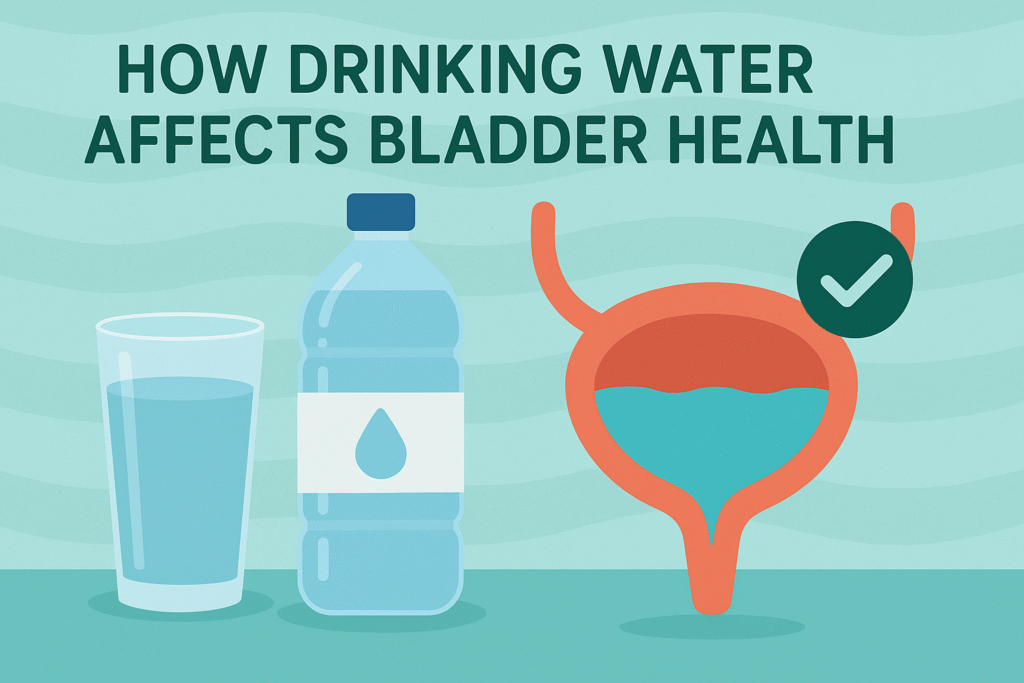
How Drinking Water Affects Bladder Health

Maintaining proper hydration is one of the simplest yet most effective ways to support overall urinary and bladder health. Your bladder plays a crucial role in removing waste and excess fluids from the body, and water acts as the key to keeping it functioning smoothly. However, the right amount and frequency of water intake matter. In this blog, Dr. Rakshit Ahuja, a leading Urologist In Pune, explains how drinking water affects bladder health and what you can do to maintain a healthy urinary system. Water Helps Flush Out Toxins Naturally One of the main roles of the urinary system is to eliminate waste products and toxins. Drinking enough water ensures that your kidneys and bladder can efficiently flush out bacteria, salts, and other impurities. When you stay well-hydrated, your urine becomes less concentrated, reducing the chances of infection and irritation in the bladder lining. On the other hand, dehydration can lead to darker, more concentrated urine, which can irritate the bladder and increase the risk of urinary tract infections (UTIs). Aim to drink 8–10 glasses of water daily unless otherwise advised by your doctor. Prevents Urinary Tract Infections (UTIs) UTIs are one of the most common urinary problems, especially among women. Drinking plenty of water helps dilute urine and ensures frequent urination, which flushes out bacteria before they cause an infection. This simple habit can significantly reduce the occurrence of bladder infections and discomfort during urination. Those who have a history of UTIs should be even more cautious about their water intake. Regular hydration is a natural preventive measure that supports a cleaner and healthier urinary tract. Balancing Water Intake is Important While drinking water is essential, too much of it can sometimes cause problems. Overhydration may lead to frequent urination, urgency, or even mild bladder strain. It’s important to strike a balance — drink water steadily throughout the day instead of consuming large amounts at once. Listening to your body is key. If your urine is light yellow, it’s a good sign that you’re hydrated well. Constantly needing to visit the bathroom could indicate you’re drinking more water than necessary. How Dehydration Affects Bladder Health When your body doesn’t get enough water, your bladder becomes more vulnerable to irritation. Dehydration can make your urine more acidic and concentrated, which can lead to inflammation and discomfort. People who experience burning sensations or urgency during urination might be dehydrated. Chronic dehydration also increases the risk of developing kidney stones — small, hard mineral deposits that can block urinary flow and cause severe pain. Thus, consistent water intake helps prevent stone formation and maintains smoother bladder function. Water and Bladder Control Many people mistakenly reduce their water intake because of urinary leakage or incontinence. However, not drinking enough water can worsen these symptoms. Concentrated urine can irritate the bladder and increase the urge to urinate frequently. Drinking adequate amounts of water helps maintain bladder elasticity and control. People with overactive bladder (OAB) should not avoid hydration but rather learn to manage it wisely by drinking smaller amounts consistently throughout the day. Role of Diet Alongside Water Intake Your diet also influences bladder health along with hydration. Avoiding bladder irritants like caffeine, alcohol, and spicy foods can reduce strain on the bladder. Combining a balanced diet with steady water intake keeps your urinary tract in better shape. Including water-rich foods like cucumbers, watermelon, and oranges also contributes to overall hydration, improving kidney and bladder performance naturally. Importance of Routine Check-Ups Even if you maintain good hydration, bladder issues can occur due to infections, stones, or other underlying problems. Regular consultations with a Urology Doctor In Pune can help identify early symptoms and prevent complications. Urologists can recommend customized water intake routines based on your health condition, lifestyle, and bladder sensitivity. Early diagnosis and guidance from an expert can help maintain long-term bladder and urinary wellness. Personalized Advice for Hydration and Bladder Care Hydration needs vary from person to person. Factors such as physical activity, temperature, diet, and medical conditions affect how much water you need. Consulting a Urologist In Pune can help determine your ideal water intake to support bladder health without overloading the system. If you notice symptoms such as pain while urinating, blood in urine, or frequent urge to urinate, it’s crucial to get evaluated by a qualified Urology Doctor In Pune. Proper medical advice ensures that your hydration supports your health rather than causing discomfort. Expert Advice from Dr. Rakshit Ahuja Dr. Rakshit Ahuja, one of the most trusted Urologists in Pune, emphasizes that maintaining optimal hydration is a cornerstone of bladder health. According to him, water helps not only in flushing toxins but also in preventing infections and improving bladder control. He recommends maintaining a steady intake of clean water throughout the day and avoiding excessive consumption of caffeinated or sugary beverages. His expert advice reminds us that small lifestyle changes — like drinking enough water — can prevent major urological issues in the future. Key Takeaways for a Healthy Bladder Drink 8–10 glasses of water daily. Monitor urine color; light yellow is ideal. Avoid overhydration and bladder irritants. Include water-rich foods in your diet. Consult your urologist for personalized advice. Good hydration is not just about drinking water — it’s about drinking it right. Keeping your bladder healthy starts with understanding your body’s needs and acting on expert advice. Conclusion Your bladder health is deeply connected to your hydration habits. Water helps cleanse, balance, and protect your urinary system. Following expert tips from professionals like Dr. Rakshit Ahuja, you can ensure your bladder functions efficiently and remains free of infections or irritation. Remember, a simple glass of water can go a long way in keeping your bladder — and your entire urinary system — healthy.  Book an Appointment: 98905 83933  Visit Our Website: www.drrakshitahujaurologist.com Select an element to maximize. Press ESC to cancel. Select an element to maximize. Press ESC to cancel. Select an element to maximize. Press ESC to cancel.

How Drinking Water Affects Bladder Health Read More »

Bladder Cancer Treatment In Pune

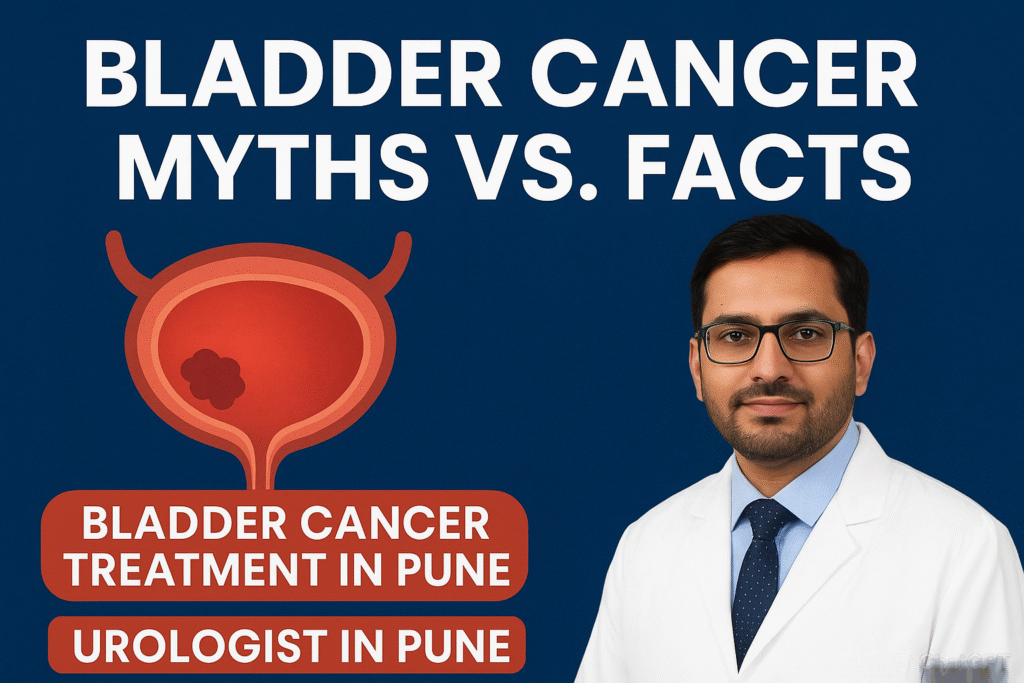
Bladder Cancer Myths vs. Facts: Separating Truth from Misconception

Bladder cancer is one of the more common cancers affecting the urinary system, yet it remains surrounded by myths and misinformation. Misunderstandings about the disease can lead to delayed diagnosis, inappropriate treatments, or unnecessary anxiety. Dr. Rakshit Ahuja, a leading Urologist In Pune, emphasizes the importance of separating facts from fiction to ensure timely intervention and effective care. Myth 1: Only Older Men Get Bladder Cancer A widespread misconception is that bladder cancer only affects older men. While it is true that men over 55 are at a higher risk, bladder cancer can occur in women and younger adults as well. Risk factors include smoking, chemical exposure, chronic bladder irritation, and family history. Understanding that bladder cancer does not discriminate by gender or age is crucial for early detection. Fact: Everyone, regardless of age or gender, should be aware of the symptoms and consult a Urologist if they notice signs such as blood in urine, frequent urination, or painful urination. Early evaluation can significantly improve outcomes. Myth 2: Blood in Urine Always Means Bladder Cancer Many people panic when they notice blood in their urine, assuming it is a sign of bladder cancer. While hematuria (blood in urine) can indeed indicate bladder cancer, it is more often caused by infections, kidney stones, or other urinary conditions. Fact: Persistent or unexplained hematuria should never be ignored. Consulting a Urologist can help differentiate between benign causes and potential malignancies, ensuring timely diagnosis and management. Bladder Cancer Treatment can range from minimally invasive procedures to more extensive surgery, depending on the stage and type of cancer. Early detection significantly enhances the success rates of these treatments. Myth 3: Bladder Cancer Is Always Fatal Bladder cancer is often feared as a deadly disease. While it can be life-threatening, many bladder cancers are detected at an early stage when they are highly treatable. Superficial bladder cancers, in particular, have excellent survival rates when managed appropriately. Fact: Survival depends on the stage at diagnosis, the patient’s overall health, and the treatment plan. An expert in Bladder Cancer Treatment, advises regular check-ups and prompt attention to urinary symptoms for better prognosis. Myth 4: Surgery Is the Only Option Another common myth is that bladder cancer always requires radical surgery, such as removing the bladder. While surgery is a mainstay for certain cases, there are multiple treatment options available today, including intravesical therapy, chemotherapy, immunotherapy, and minimally invasive procedures. Fact: Bladder Cancer Treatment is highly individualized. Depending on tumor size, type, and stage, less invasive approaches can be effective, preserving bladder function and quality of life. A Urologist can recommend the best treatment strategy based on the patient’s condition. Myth 5: Lifestyle Changes Can Cure Bladder Cancer Some believe that lifestyle modifications like diet changes, herbal supplements, or home remedies can cure bladder cancer. While a healthy lifestyle can support overall well-being and reduce recurrence risks, it cannot replace medical treatment. Fact: Evidence-based medical interventions remain the cornerstone of Bladder Cancer Treatment. Complementary approaches can be used alongside treatment but should never be considered a standalone cure. Regular follow-ups with a Urologist are essential to monitor treatment response and prevent recurrence. Myth 6: Only Smokers Get Bladder Cancer Smoking is a significant risk factor for bladder cancer, but it is not the only cause. Exposure to certain chemicals, chronic urinary infections, and even genetic predispositions can increase risk in non-smokers. Fact: While quitting smoking is crucial, all individuals, regardless of smoking history, should be attentive to urinary symptoms. Early consultation with a Urologist can help identify issues before they progress. Myth 7: Bladder Cancer Recurs Less Frequently Some people assume that once treated, bladder cancer is unlikely to return. In reality, bladder cancer has a high recurrence rate, particularly superficial types, which may require regular cystoscopy to monitor for new growths. Fact: Continuous surveillance is a critical component of Bladder Cancer Treatment. Dr. Rakshit Ahuja emphasizes that even after successful treatment, follow-ups are essential to detect and manage recurrences promptly. Myth 8: Bladder Cancer Is Always Painful Many assume that bladder cancer always causes pain. Early-stage bladder cancer is often painless, and the first sign may simply be blood in urine without discomfort. Fact: Lack of pain does not mean absence of disease. Recognizing subtle symptoms and seeking consultation with a Urologist In Pune can lead to early diagnosis and better treatment outcomes. Conclusion Bladder cancer is a serious but manageable disease when understood correctly. Separating myths from facts empowers patients to take timely action, seek expert guidance, and improve their prognosis. Dr. Rakshit Ahuja, a trusted Urologist In Pune, highlights that awareness, early detection, and personalized Bladder Cancer Treatment In Pune are key to effectively managing this condition. Awareness, education, and regular medical consultation are vital tools in combating misinformation. By debunking these common myths and embracing factual knowledge, patients can make informed decisions and maintain hope throughout their treatment journey. 📞 Book an Appointment: 98905 83933 🌐 Visit Our Website: www.drrakshitahujaurologist.com Select an element to maximize. Press ESC to cancel.

Bladder Cancer Myths vs. Facts: Separating Truth from Misconception Read More »

ED Treatment In Pune

The Link Between Heart Health and Erectile Dysfunction

Erectile Dysfunction (ED) is one of the most common men’s health concerns, yet it often remains under-discussed due to embarrassment or social stigma. However, research shows that ED is not just about sexual performance—it can also be a window into overall health, especially heart health. In many cases, erectile dysfunction is the first visible sign of underlying cardiovascular issues. Understanding this connection can help men not only restore their sexual health but also prevent more serious heart-related complications in the future. Why Erectile Dysfunction and Heart Health Are Connected To understand the link, it’s important to look at how erections happen. Erections rely on healthy blood flow to the penile arteries. The same arteries that supply blood to the heart also supply blood to the penis, though penile arteries are smaller in size. This means that if blood vessels begin to narrow or harden due to plaque buildup—a condition known as atherosclerosis—erectile issues may appear before noticeable heart symptoms like chest pain or shortness of breath. In other words, erectile dysfunction can act as an “early warning system” for heart disease. Men experiencing ED may unknowingly be at risk of conditions such as high blood pressure, coronary artery disease, or stroke. Shared Risk Factors Between ED and Heart Disease Both erectile dysfunction and cardiovascular disease share several common risk factors, including: High blood pressure – Damages arteries, reducing blood flow. Diabetes – Impairs blood vessels and nerves, affecting erectile function. High cholesterol – Leads to arterial plaque buildup. Obesity – Increases strain on the heart and affects hormone levels. Smoking – Constricts blood vessels and reduces circulation. Sedentary lifestyle – Reduces cardiovascular health and testosterone levels. Addressing these risk factors not only improves sexual function but also significantly lowers the risk of heart attacks and strokes. How the Connection Impacts Men’s Health Ignoring erectile dysfunction can have long-term consequences. Studies show that men with ED are more likely to suffer heart attacks and other cardiovascular events within a few years if the root cause is not addressed. This highlights why seeking timely help from a Urologist In Pune is not just about sexual health but about protecting overall well-being. A professional Urology Doctor In Pune can evaluate whether ED is being caused by hormonal imbalances, psychological issues, or more importantly, vascular problems linked to heart disease. Early diagnosis and treatment can prevent progression and improve both heart and sexual health. Importance of Seeking Medical Help Many men hesitate to seek medical care for erectile dysfunction, assuming it is just a natural part of aging. While age can be a factor, ED is not inevitable. More often, it is a symptom of a deeper health problem. A consultation with a specialist can help identify whether the issue is vascular, hormonal, neurological, or psychological. For instance, men who consult a Urology Doctor In Pune often undergo detailed assessments including medical history, blood pressure checks, cholesterol testing, and hormone evaluations. These tests not only help in planning effective ED Treatment In Pune but also screen for silent cardiovascular conditions. Modern Approaches to ED Treatment With advancements in medical science, men today have several safe and effective options for managing erectile dysfunction. The choice of treatment depends on the cause and severity of the condition. Common approaches include: Lifestyle Modifications – Weight management, regular exercise, quitting smoking, and controlling alcohol intake. Medications – Oral drugs that improve blood flow to the penis. Hormone Therapy – For men with low testosterone levels. Devices and Procedures – Vacuum erection devices, penile implants, or minimally invasive procedures Counseling and Therapy – Addressing stress, anxiety, or relationship issues that contribute to ED. The best part is that most of these interventions also promote better cardiovascular health. For example, adopting a healthier diet or exercising regularly not only enhances erectile function but also reduces the risk of heart disease. Why Choose Dr. Rakshit Ahuja Pune has emerged as a hub for advanced urological care, with highly trained specialists and modern facilities. Opting for ED Treatment In Pune ensures that patients get comprehensive care that addresses both the symptom and the underlying cause. With a holistic approach, treatments focus not only on restoring erectile function but also on reducing long-term cardiovascular risks. Consulting a Urologist In Pune gives patients access to cutting-edge diagnostics and personalized treatment plans. Whether the cause is vascular, hormonal, or psychological, the right guidance ensures improved outcomes and a healthier future. Preventive Steps Men Can Take While treatment options are available, prevention remains the most effective strategy. Men can significantly lower their risk of both ED and heart disease by: Maintaining a balanced diet rich in fruits, vegetables, whole grains, and lean proteins. Exercising at least 30 minutes a day, five times a week. Monitoring and controlling blood sugar, cholesterol, and blood pressure. Reducing stress through yoga, meditation, or mindfulness practices. Avoiding smoking and limiting alcohol intake. Going for regular health check-ups with a trusted Urology Doctor In Pune. By making these changes, men not only improve their sexual health but also strengthen their heart health. Final Thoughts Erectile dysfunction is far more than just a sexual issue—it is often a reflection of cardiovascular health. The connection between the two is undeniable, making ED an important early indicator of heart disease. Ignoring the signs can put men at risk of life-threatening complications, but timely intervention can change the course of health dramatically. If you or someone you know is struggling with ED, it’s essential to consult a specialist without delay. Dr. Rakshit Ahuja, a renowned urology expert, emphasizes that addressing erectile dysfunction can be life-saving, as it often uncovers hidden heart risks. Seeking ED Treatment In Pune under expert care ensures not just improved sexual well-being but also a healthier heart and longer life. 📞 Book an Appointment: 98905 83933 🌐 Visit Our Website: www.drrakshitahujaurologist.com Select an element to maximize. Press ESC to cancel.

The Link Between Heart Health and Erectile Dysfunction Read More »

Bladder Cancer Treatment In Pune

How Bladder Cancer Affects Daily Life: What Patients Should Know

Bladder cancer is a serious health condition that impacts not just the physical health of a patient but also their emotional and social well-being. While early diagnosis and treatment can greatly improve outcomes, understanding how this disease affects daily life is essential for patients and their families. A leading Urologist In Pune, emphasizes that knowledge and proactive management play a key role in improving quality of life during and after Bladder Cancer Treatment In Pune. The Physical Impact of Bladder Cancer One of the most immediate and noticeable ways bladder cancer affects daily life is through changes in urinary function. The bladder’s main role is to store and release urine, and cancer can cause frequent urination, urgency, pain during urination, and even blood in the urine (hematuria). These symptoms not only cause discomfort but can interfere with routine activities such as working, driving, or socializing. Fatigue is another common symptom experienced by bladder cancer patients. Cancer itself, along with treatments like chemotherapy or radiation therapy, can cause significant tiredness, leaving patients struggling with everyday tasks that once seemed effortless. Patients may find it difficult to maintain their regular work schedule, manage household chores, or engage in recreational activities. Emotional and Mental Health Challenges A diagnosis of bladder cancer brings with it not only physical challenges but also significant emotional stress. Many patients report feelings of anxiety, depression, and fear of the unknown, especially when faced with treatment decisions and concerns about survival. The fear of recurrence or the possibility of permanent changes in body function, such as the need for a urostomy (a surgically created opening for urine drainage), can weigh heavily on a patient’s mind. Dr. Ahuja advises that patients should seek emotional support from mental health professionals or join bladder cancer support groups where they can share experiences with others facing similar challenges. This approach helps reduce feelings of isolation and provides patients with coping strategies to manage their mental well-being. Dietary and Lifestyle Adjustments Bladder cancer and its treatment often require patients to make dietary and lifestyle changes to support their overall health and recovery. A balanced diet rich in fruits, vegetables, and lean proteins is recommended to help strengthen the immune system and maintain energy levels. Patients undergoing chemotherapy may experience nausea, loss of appetite, or mouth sores, making proper nutrition an ongoing challenge. Smoking is one of the leading risk factors for bladder cancer, and patients who smoke are strongly advised to quit. A trusted Urology Doctor In Pune, emphasizes smoking cessation as a crucial part of both prevention and treatment. In addition, staying well-hydrated helps maintain bladder function and flush out harmful substances, which is particularly important for patients after surgery or chemotherapy. Impact on Work and Social Life Bladder cancer can disrupt a patient’s ability to work, especially if they experience fatigue or need frequent medical appointments. Some jobs that require physical labor may become difficult to perform, while office workers may struggle with frequent bathroom visits. Flexible work arrangements or medical leave may be necessary to allow the patient to focus on recovery. Social life is also affected, as patients may feel self-conscious about urinary symptoms or body image changes after surgery. This can lead to withdrawal from social interactions and feelings of loneliness. Dr. Rakshit Ahuja recommends that patients communicate openly with their family and friends about their condition to foster understanding and support. Additionally, seeking professional counseling can help patients rebuild their confidence and maintain meaningful social connections. Bladder Cancer Treatment Options in Pune When it comes to Bladder Cancer Treatment In Pune, patients have access to a range of advanced medical options tailored to individual needs. Treatments include surgery (such as transurethral resection of bladder tumor or radical cystectomy), chemotherapy, immunotherapy, and radiation therapy. The choice of treatment depends on the cancer’s stage, size, and location, as well as the patient’s overall health. A consultation with an experienced Urologist In Kharadi, Pune like Dr. Rakshit Ahuja is critical for developing a personalized treatment plan. Early intervention, along with ongoing monitoring, improves the chances of successful treatment while minimizing complications and disruptions to daily life. The Importance of Follow-Up Care Even after successful treatment, bladder cancer patients must commit to regular follow-up care. This helps in early detection of any recurrence and ensures that any side effects from treatment are managed effectively. Follow-up visits usually include cystoscopy (a procedure to inspect the bladder), urine tests, and imaging studies. Dr. Rakshit Ahuja stresses that consistent communication with your Urology Doctor In Pune is key to long-term health. Lifestyle modifications, healthy habits, and mental health support play an ongoing role in helping patients live a fulfilling life post-treatment. Conclusion Bladder cancer impacts many facets of life, from physical health to emotional well-being and social life. However, with the right medical care and a proactive approach, patients can manage these challenges effectively. An expert Urologist In Pune, offers comprehensive guidance on Bladder Cancer Treatment In Pune and personalized support to help patients regain control of their lives. Open communication, proper medical care, and a strong support system can make a profound difference in managing bladder cancer and improving overall quality of life. 📞 Book an Appointment: 98905 83933 🌐 Visit Our Website: www.drrakshitahujaurologist.com Select an element to maximize. Press ESC to cancel. Select an element to maximize. Press ESC to cancel.

How Bladder Cancer Affects Daily Life: What Patients Should Know Read More »

Bladder Cancer Treatment In Pune

Difference Between Bladder Cancer in Men and Women

Bladder cancer is one of the most common cancers affecting the urinary system, and while it can occur in both men and women, its impact, symptoms, and outcomes often differ between genders. Understanding these differences is crucial for early diagnosis, effective treatment, and improved survival rates. As a trusted Urologist In Pune, Dr. Rakshit Ahuja emphasizes the importance of gender-specific awareness in bladder cancer care to ensure timely medical attention. In this blog, we will explore how bladder cancer varies in men and women, from risk factors and symptoms to diagnosis, treatment, and prognosis. Prevalence and Risk Factors Bladder cancer is statistically more common in men. Studies suggest that men are three to four times more likely to be diagnosed with bladder cancer compared to women. However, women often face more aggressive forms of the disease, which can result in worse outcomes. In Men: Higher prevalence: Men are more frequently diagnosed due to greater exposure to risk factors like smoking and occupational hazards. Lifestyle connection: Long-term smoking and exposure to chemicals such as arsenic, paints, or dyes significantly increase the risk. Hormonal influence: Male hormones may play a role in bladder cancer development. In Women: Delayed diagnosis: Women are often misdiagnosed initially with urinary tract infections (UTIs), leading to delays in cancer detection. Aggressiveness: When bladder cancer does occur, it tends to be more advanced and aggressive. Biological factors: Hormonal differences and genetic variations may contribute to disease progression. If you notice persistent urinary symptoms, consulting an experienced Urology Doctor In Pune can help you differentiate between common infections and more serious conditions like bladder cancer. Symptoms: How They Differ in Men and Women Bladder cancer symptoms may overlap between genders, but they are often interpreted differently, which affects diagnosis timelines. Common Symptoms: Blood in urine (hematuria) Painful urination Frequent urination Pelvic or back pain in advanced stages In Men: Men usually report blood in urine earlier and are more likely to undergo further urological investigations. In Women: Women often present with repeated UTIs or urinary discomfort, which delays cancer evaluation. This leads to later detection when the cancer is already more advanced. For both men and women, ignoring these warning signs can reduce treatment success. That is why timely Bladder Cancer Treatment In Pune is essential for better outcomes. Diagnosis and Delays Diagnostic approaches are similar for men and women, including urine tests, cystoscopy, imaging (CT/MRI), and biopsy. However, the difference lies in timing. Men: Usually undergo earlier referral to a urologist due to visible hematuria. Women: Often experience months of delay because hematuria is sometimes attributed to gynecological issues or UTIs. These delays contribute to women being diagnosed at more advanced stages, which significantly affects survival rates. An experienced Urologist In Pune can play a critical role in identifying early warning signs and recommending appropriate diagnostic steps without unnecessary delay. Treatment Differences The standard treatments for bladder cancer include surgery, chemotherapy, immunotherapy, and radiation. But gender differences impact treatment planning and response. In Men: Men often undergo transurethral resection (TURBT) followed by intravesical therapies. Radical cystectomy (removal of the bladder) may be required in advanced cases. Men generally respond better to treatment because the disease is caught earlier. In Women: Women undergoing bladder removal surgery often face greater challenges due to anatomical differences. Fertility, reproductive health, and post-surgical recovery require more specialized care. Since diagnosis is frequently delayed, treatments are often more aggressive. Choosing the right Bladder Cancer Treatment In Pune ensures a personalized approach that considers gender-specific needs. Prognosis and Survival Rates Survival rates differ significantly between men and women. While men are diagnosed more frequently, they usually have higher survival rates because of earlier detection. Women, on the other hand, have lower survival rates due to late diagnosis and more aggressive cancer subtypes. Men: Higher incidence but better outcomes. Women: Lower incidence but poorer prognosis. This highlights the urgent need for better awareness of bladder cancer symptoms in women and proactive health check-ups with a reliable Urology Doctor In Pune. Why Gender-Specific Awareness Matters Early detection saves lives – Recognizing that women may not always present with typical symptoms can help reduce diagnostic delays. Personalized treatment – Gender-based anatomical and hormonal differences must be considered during treatment planning. Better outcomes – Awareness campaigns targeting both men and women can improve survival rates. Conclusion Bladder cancer affects both men and women, but the differences in risk factors, symptoms, and outcomes cannot be ignored. Men are more frequently diagnosed, but women often face worse prognoses due to delays in detection and more aggressive disease progression. If you or your loved ones experience symptoms such as persistent urinary discomfort, blood in urine, or frequent UTIs, it’s important not to ignore them. Seeking expert care from an experienced Urologist In Kharadi, Pune can make all the difference. Dr. Rakshit Ahuja, a trusted name in advanced urological care, provides comprehensive evaluation and Bladder Cancer Treatment In Pune tailored to individual needs. With specialized expertise as a leading Urology Doctor In Pune, he is committed to delivering compassionate and effective care for both men and women battling bladder cancer. Early awareness, timely diagnosis, and expert treatment are the keys to improving outcomes in bladder cancer—regardless of gender. 📞 Book an Appointment: 98905 83933 🌐 Visit Our Website: www.drrakshitahujaurologist.com Select an element to maximize. Press ESC to cancel. Select an element to maximize. Press ESC to cancel.

Difference Between Bladder Cancer in Men and Women Read More »

Urologist In Pune

Erectile Dysfunction and Age: What’s Normal and What’s Not

Erectile Dysfunction (ED) is one of the most common conditions men face as they grow older. While occasional difficulty in maintaining an erection may be a normal part of aging, persistent or frequent issues are not. Many men are unsure whether their problem is simply related to age or if it indicates an underlying medical condition. Understanding the difference can help in seeking timely medical care and improving both confidence and quality of life. What Is Erectile Dysfunction? Erectile Dysfunction is the inability to achieve or maintain an erection firm enough for satisfactory sexual performance. It can be temporary or long-term and may occur due to physical, psychological, or lifestyle factors. Occasional difficulties happen to almost every man, but if the issue occurs more than 25% of the time, it may point to a medical concern that requires evaluation by a specialist. Age and Erectile Function: What’s Normal? As men age, changes in sexual function are natural. Hormone levels decline, blood vessels lose elasticity, and other age-related conditions such as diabetes, high blood pressure, or heart disease may affect erectile performance. However, aging does not automatically mean that men should lose their ability to enjoy a fulfilling sex life. In the 30s and 40s: Most men in this age group should be able to maintain normal erections. Occasional ED may happen due to stress, anxiety, or fatigue, but persistent problems are uncommon. In the 50s and 60s: Some men may notice slower arousal or reduced firmness due to reduced testosterone or changes in blood flow. However, complete loss of erectile function is not normal. 70s and beyond: Age-related changes may be more noticeable, but many men in their 70s and even 80s maintain a healthy sex life with proper care, lifestyle modifications, and medical support. In short, while age may contribute to changes in sexual performance, Erectile Dysfunction should never be dismissed as “just a part of getting older.” What’s Not Normal? There are clear signs that ED is not just age-related: Difficulty maintaining an erection during most sexual encounters. Reduced sexual desire alongside erection problems. ED accompanied by other health concerns like fatigue, depression, or urinary issues. Sudden onset of ED after years of normal sexual function. If you experience these issues, it is important to seek guidance from a Urologist in Pune who specializes in men’s health. Causes Beyond Age While aging plays a role, ED often occurs due to other medical or lifestyle factors. Some of the most common include: Cardiovascular problems: Poor blood flow caused by blocked arteries or high cholesterol. Diabetes: Nerve damage and circulation problems can significantly affect erectile function. Obesity: Excess weight can lead to hormonal imbalances and reduced blood flow. Medications: Drugs for blood pressure, depression, or other conditions may contribute to ED. Lifestyle habits: Smoking, excessive alcohol use, and lack of physical activity increase the risk. Stress and mental health issues: Anxiety, depression, and relationship conflicts often worsen ED. When to See a Doctor If erectile issues are consistent and affecting your quality of life, consulting a Urologist in Kharadi is highly recommended. A professional evaluation can help determine whether the cause is physical, psychological, or a combination of both. Importantly, ED may be the first warning sign of serious conditions like heart disease or diabetes, making early medical attention crucial. ED Treatment Options in Pune The good news is that Erectile Dysfunction is treatable at almost any age. With the right diagnosis and treatment, men can regain confidence and enjoy a healthy sexual life. Common treatment options include: Lifestyle Modifications: Quitting smoking, reducing alcohol, exercising regularly, and eating a balanced diet can significantly improve erectile function. Oral Medications: Prescription medications can help improve blood flow to the penis. Hormone Therapy: Testosterone replacement may be suggested if low hormone levels are the cause. Counseling and Therapy: If stress, anxiety, or depression contribute to ED, therapy can be beneficial. Medical Devices: Vacuum erection devices or penile implants are options for severe cases. Advanced Treatments: Modern techniques such as shockwave therapy are also available in certain centers. For patients seeking reliable ED Treatment in Pune, consulting a trusted specialist ensures safe, effective, and customized care. The Role of a Urologist A Urologist in Pune like Dr. Rakshit Ahuja is trained to diagnose and manage all aspects of men’s sexual health. From conducting detailed evaluations to offering the latest medical and surgical treatments, a urologist can provide the right solution for your needs. If you are based in the eastern parts of the city, meeting a Urologist in Kharadi ensures accessibility and convenience for ongoing care. Breaking the Stigma Around ED Unfortunately, many men hesitate to discuss Erectile Dysfunction due to embarrassment or cultural taboos. However, it is important to remember that ED is a medical condition, not a personal failing. Open communication with your partner and your doctor can help you take the first step toward effective treatment. Conclusion While some changes in sexual function are natural with age, Erectile Dysfunction should never be ignored or accepted as normal. Whether you are in your 30s, 50s, or 70s, a fulfilling sex life is possible with the right approach. Seeking professional help for ED Treatment in Pune is the best way to ensure that you receive accurate diagnosis and treatment tailored to your needs. Consulting an experienced Urologist in Kharadi like Dr. Rakshit Ahuja can help you overcome ED, regain confidence, and improve your overall quality of life. 📞 Book an Appointment: 98905 83933 🌐 Visit Our Website: www.drrakshitahujaurologist.com Select an element to maximize. Press ESC to cancel.

Erectile Dysfunction and Age: What’s Normal and What’s Not Read More »

ED Treatment In Pune

Erectile Dysfunction: Myths vs Facts You Should Know

Erectile Dysfunction (ED) is one of the most common men’s health concerns, yet it is surrounded by stigma, misinformation, and hesitation to seek medical help. Many men silently struggle with this issue, assuming it’s either untreatable or simply a part of aging. The truth is, ED can be effectively managed and treated with the right medical guidance. As an experienced Urologist In Pune, Dr. Rakshit Ahuja emphasizes that awareness and accurate knowledge are the first steps towards overcoming this condition. In this blog, we will clear the air by debunking some common myths about Erectile Dysfunction and presenting the facts you should know. Myth 1: Erectile Dysfunction Only Affects Older Men Fact: While it is true that ED is more common with age, younger men are not immune. Research shows that men in their 20s and 30s also experience erectile problems due to factors such as stress, lifestyle habits, obesity, excessive alcohol consumption, or medical conditions like diabetes and hypertension. As a practicing Urologist In Kharadi, Dr. Ahuja has seen several younger patients who are surprised to learn that ED can be linked to issues beyond age. Addressing these causes early can help prevent the condition from worsening. Myth 2: ED Is Always Psychological Fact: Many people assume Erectile Dysfunction is purely a psychological problem, caused only by stress, anxiety, or relationship issues. While mental health does play a role, ED often has a physical basis. Conditions such as high blood pressure, heart disease, hormonal imbalances, or even side effects of certain medications can contribute. Proper diagnosis is crucial, and a qualified Urologist In Pune can help identify whether the problem is psychological, physical, or a combination of both. Myth 3: It’s Just a Natural Part of Aging and Can’t Be Treated Fact: Aging may increase the risk of ED, but it is not inevitable. Many men assume that nothing can be done, leading to frustration and avoidance of intimacy. In reality, effective ED Treatment In Pune is available and ranges from lifestyle changes and oral medications to advanced therapies and surgical options. With modern medical care, age does not have to mean the end of a healthy and fulfilling intimate life. Myth 4: Only Lifestyle Changes Can Help Fact: While adopting healthier habits such as quitting smoking, reducing alcohol, exercising regularly, and eating a balanced diet can certainly improve erectile function, lifestyle changes alone may not always solve the problem. In some cases, medical or surgical treatment is necessary. Consulting a Urologist In Kharadi ensures that the patient receives a comprehensive evaluation and personalized treatment plan rather than relying solely on lifestyle modifications. Myth 5: Erectile Dysfunction Is Not Related to Other Health Issues Fact: ED is often a warning sign of underlying health conditions, especially cardiovascular diseases. Since the blood vessels in the penis are smaller than those in the heart, problems with circulation may first appear as erectile difficulties. High cholesterol, hypertension, and diabetes are commonly linked to ED. Seeking ED Treatment In Pune not only addresses sexual health but also helps detect potentially serious medical conditions at an early stage. Myth 6: Over-the-Counter Supplements and Home Remedies Are Enough Fact: The internet is flooded with herbal supplements and quick-fix remedies that promise to cure ED. Unfortunately, many of these are unregulated and can even be harmful. Relying on self-medication delays proper treatment and may worsen the condition. The safest and most effective step is to consult a qualified Urologist In Pune who can provide evidence-based treatments and guide patients through safe options. Myth 7: If Medications Don’t Work, Nothing Will Fact: For men who do not respond to oral medications, other treatment options exist. Vacuum erection devices, penile injections, shockwave therapy, and even advanced surgical procedures like penile implants are available. With the right medical guidance, almost every patient can find a suitable solution. ED Treatment In Pune has advanced significantly, ensuring men do not have to lose hope if the first line of treatment fails. Taking the Right Step Forward Erectile Dysfunction is not just about sexual health; it can deeply affect confidence, relationships, and overall well-being. Living with myths only increases the emotional burden and delays proper treatment. The facts show that ED is treatable, manageable, and often an indicator of broader health conditions that require medical attention. If you or someone you know is struggling with Erectile Dysfunction, remember that help is available. Consulting a trusted Dr. Rakshit Ahuja can make all the difference. With compassion, expertise, and advanced treatment options, every patient can regain control of their health and quality of life. Con clusion Erectile Dysfunction is surrounded by unnecessary myths that prevent men from seeking timely help. Understanding the facts can empower individuals to take action and explore effective treatment options. From medications to advanced therapies, modern medicine offers solutions that can restore both confidence and intimacy. If you’re looking for reliable guidance and ED Treatment In Pune, reaching out to a qualified specialist is the first step towards recovery.  Book an Appointment: 98905 83933  Visit Our Website: www.drrakshitahujaurologist.com Select an element to maximize. Press ESC to cancel. Select an element to maximize. Press ESC to cancel.

Erectile Dysfunction: Myths vs Facts You Should Know Read More »

ED Treatment In Pune

Understanding Erectile Dysfunction: Causes, Symptoms & When to Seek Help

Erectile dysfunction (ED) is more common than many men realize, yet it remains one of the most under-discussed health issues. It is not just about sexual performance — ED can also be an early warning sign of underlying health conditions that need attention. As a leading Urologist in Kharadi, Pune, Dr. Rakshit Ahuja often meets patients who delay seeking help due to embarrassment or misconceptions. However, early diagnosis and the right ED Treatment in Pune can significantly improve not only sexual health but also overall well-being. What is Erectile Dysfunction? Erectile dysfunction refers to the persistent inability to achieve or maintain an erection firm enough for satisfactory sexual intercourse. While occasional difficulty is normal — especially during times of stress or fatigue — ED becomes a concern when it occurs frequently and affects quality of life. Causes of Erectile Dysfunction ED can result from a variety of physical, psychological, or lifestyle-related factors, and often it’s a combination of these. 1. Physical Causes Cardiovascular Disease – Narrowed blood vessels reduce blood flow to the penis. Diabetes – High blood sugar damages blood vessels and nerves, impacting erections. Hormonal Imbalances – Low testosterone levels can affect sexual desire and performance. Neurological Disorders – Conditions like Parkinson’s disease or spinal cord injuries can interfere with nerve signals. Medications – Certain antidepressants, antihypertensives, and other drugs list ED as a side effect. 2. Psychological Causes Performance Anxiety – Worrying about sexual performance can itself cause ED. Stress & Depression – Mental health issues can lower libido and affect physical function. Relationship Problems – Emotional disconnect may lead to difficulty in arousal. 3. Lifestyle-Related Causes Smoking and excessive alcohol consumption Obesity and lack of physical activity Poor diet and high cholesterol Drug abuse Dr. Ahuja emphasizes that addressing the root cause is key to effective ED Treatment in Pune. Recognizing the Symptoms of ED The most obvious symptom is the inability to achieve or sustain an erection. However, ED can also be accompanied by: Reduced sexual desire Difficulty achieving erections even during sexual stimulation Trouble maintaining an erection long enough for intercourse Anxiety or stress related to sexual activity It’s important to remember that ED may develop gradually or suddenly, and both patterns warrant medical evaluation. When Should You Seek Help? Men often hesitate to consult a doctor due to embarrassment. However, you should seek help from an experienced Urologist in Kharadi, Pune if: ED occurs frequently for more than a few weeks You experience reduced sexual desire You have other symptoms such as fatigue, low mood, or difficulty urinating You have existing health issues like diabetes, hypertension, or heart disease Early consultation not only improves treatment outcomes but may also detect hidden medical conditions. Diagnosis of Erectile Dysfunction When you visit Dr. Rakshit Ahuja, the evaluation for ED typically includes: Medical History – Understanding your symptoms, health conditions, and lifestyle. Physical Examination – Checking for hormonal imbalances, nerve function, or structural issues. Blood Tests – To assess testosterone levels, blood sugar, and cholesterol. Specialized Tests – Such as penile Doppler ultrasound to check blood flow. This comprehensive approach ensures that the cause of ED is correctly identified for targeted treatment. Treatment Options for ED in Pune Thanks to advancements in urology, ED is highly treatable. Dr. Rakshit Ahuja offers personalized ED Treatment in Pune based on the patient’s needs and underlying causes. 1. Lifestyle Modifications Quitting smoking and reducing alcohol intake Regular exercise to improve blood flow A balanced diet rich in fruits, vegetables, and whole grains Stress management techniques such as yoga or meditation 2. Medications Oral medications (PDE5 inhibitors) can help improve erectile function by increasing blood flow to the penis. These are prescribed after assessing overall health. 3. Hormone Therapy If low testosterone is the cause, hormone replacement therapy may be recommended. 4. Counseling & Psychological Support When psychological factors are significant, therapy or couples counseling can be beneficial. 5. Advanced Treatments For cases unresponsive to medications, options like vacuum erection devices, penile injections, or surgical implants may be considered. Myths vs. Facts About ED Myth: ED only affects older men. Fact: ED can occur at any age due to stress, lifestyle factors, or health issues. Myth: ED is always psychological. Fact: While mental health can play a role, most cases have a physical cause. Myth: There’s no cure for ED. Fact: With proper diagnosis and treatment, most men regain normal sexual function. Why Choose Dr. Rakshit Ahuja for ED Treatment in Pune? As a trusted Urologist in Pune, Dr. Ahuja combines medical expertise with a patient-friendly approach. He understands the sensitivity of the topic and ensures a confidential, respectful environment where patients feel comfortable discussing their concerns. His individualized treatment plans focus not only on resolving ED but also on improving overall health. Conclusion Erectile dysfunction is not something to ignore or be embarrassed about. It’s a medical condition that can often be successfully treated, restoring both physical performance and confidence. If you’ve been experiencing symptoms, consulting an experienced urologist is the first step towards recovery. Dr. Rakshit Ahuja offers comprehensive ED Treatment in Pune tailored to each patient’s needs. Early intervention can help you overcome ED and enjoy a healthier, more fulfilling life. 📞 Book an Appointment: 98905 83933 🌐 Visit Our Website: www.drrakshitahujaurologist.com Select an element to maximize. Press ESC to cancel.

Understanding Erectile Dysfunction: Causes, Symptoms & When to Seek Help Read More »