Dr. Rakshit Ahuja

Urology Doctor In Pune

Dr. Rakshit Ahuja is a highly regarded Urologist in Pune, offering expert care for a wide range of urological conditions, including kidney stones, urinary tract infections, and prostate disorders. As a trusted Urology Doctor in Pune, he combines advanced diagnostics with compassionate care to deliver personalized treatment plans for men’s health and urinary wellness. Whether you’re dealing with recurring urinary issues or seeking preventive prostate care, Dr. Rakshit Ahuja provides reliable and effective solutions to improve your quality of life. His patient-first approach and expertise make him a preferred choice for comprehensive Urological Care in Pune.

Select an element to maximize. Press ESC to cancel.
Urologist In Pune

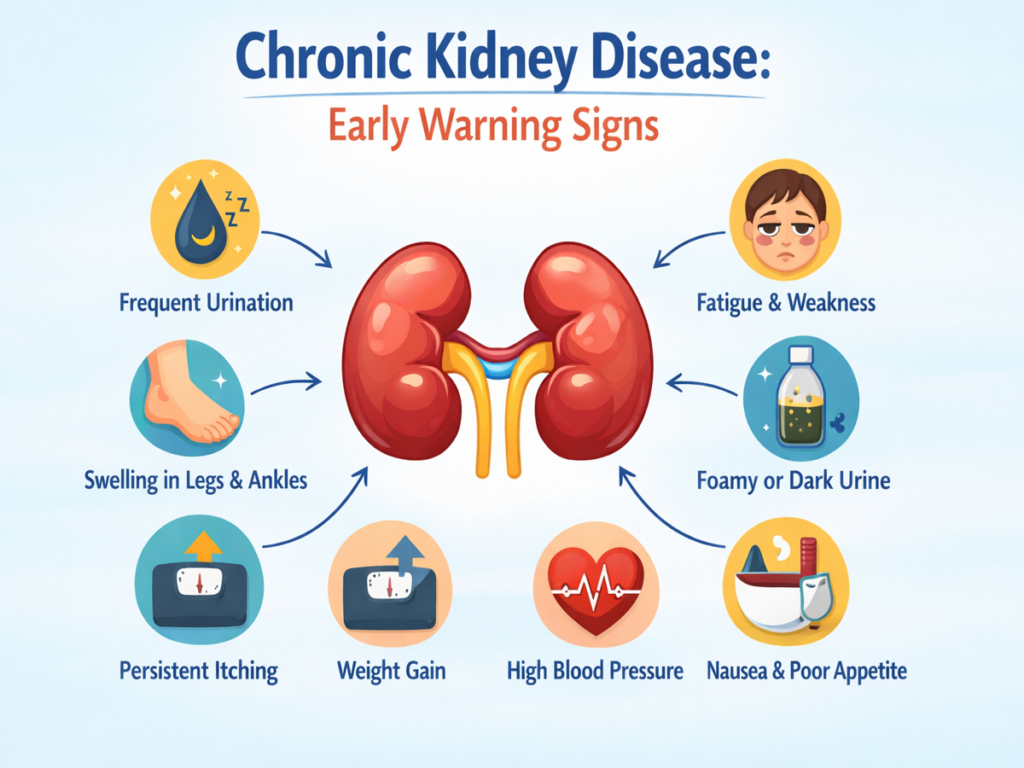
Chronic Kidney Disease: Early Warning Signs You Should Never Ignore

Your kidneys play a crucial role in keeping your body healthy. They filter waste products, balance fluids, regulate blood pressure, and maintain important minerals in the body. However, when the kidneys gradually lose their function over time, it can lead to Chronic Kidney Disease (CKD). The biggest challenge with CKD is that it often develops slowly and silently. Many people do not notice symptoms until the disease has progressed significantly. Understanding the early warning signs of chronic kidney disease can help you seek timely medical care and prevent serious complications. If you notice any unusual symptoms related to urinary health or kidney function, it is important to consult a Urologist in Pune for proper diagnosis and treatment. What is Chronic Kidney Disease? Chronic Kidney Disease is a long-term condition where the kidneys gradually lose their ability to filter waste and excess fluids from the blood. Over time, toxins can accumulate in the body, leading to various health problems. CKD may develop due to conditions such as high blood pressure, diabetes, recurrent urinary infections, kidney stones, or other urinary tract disorders. Early diagnosis and proper treatment from a Kidney Specialist in Pune can help slow down disease progression and protect kidney function. Early Warning Signs of Chronic Kidney Disease Recognizing the early symptoms of kidney disease can help prevent long-term damage. Here are some of the most common warning signs you should watch for. 1. Frequent Urination One of the earliest symptoms of kidney problems is a change in urination patterns. You may feel the urge to urinate more frequently, especially at night. This happens when the kidneys lose their ability to concentrate urine effectively. Frequent urination can also be associated with urinary tract infections, which may require UTI Treatment in Pune from an experienced specialist. 2. Fatigue and Weakness When the kidneys do not function properly, toxins build up in the bloodstream. This can make you feel tired, weak, and less energetic throughout the day. Additionally, kidney disease can lead to anemia, which further contributes to fatigue. If you are experiencing persistent tiredness along with other urinary symptoms, it is important to consult a Urologist in Pune for evaluation. 3. Swelling in Legs and Ankles Healthy kidneys remove excess fluids and sodium from the body. When kidney function declines, fluid retention may occur, leading to swelling in the legs, ankles, feet, or even around the eyes. This swelling can also indicate other kidney-related conditions, including complications from kidney stones or urinary tract problems that may require Kidney Stone Treatment in Pune. 4. Foamy or Dark Urine Changes in urine appearance can be an important indicator of kidney problems. Foamy urine may suggest the presence of protein in the urine, which is a sign of kidney damage. Dark or unusually colored urine can also indicate infection, dehydration, or other kidney-related issues. Early testing and consultation with a Kidney Specialist in Pune can help identify the cause and start appropriate treatment. 5. Persistent Itching Kidney disease can cause an imbalance of minerals and nutrients in the bloodstream. This imbalance may lead to persistent itching or dry skin. Many patients overlook this symptom, but it can be a warning sign of declining kidney function. If itching is accompanied by fatigue or swelling, medical evaluation is strongly recommended. 6. Sudden Weight Gain Unexplained weight gain can occur due to fluid retention caused by reduced kidney function. When the kidneys fail to remove excess fluids from the body, it may lead to swelling and increased body weight. Monitoring such symptoms early can help prevent further complications. 7. High Blood Pressure High blood pressure and kidney disease are closely connected. Damaged kidneys may struggle to regulate blood pressure, which can lead to hypertension. At the same time, uncontrolled high blood pressure can worsen kidney damage. Regular health check-ups with a Urologist in Pune can help manage both kidney health and blood pressure effectively. 8. Nausea and Poor Appetite As toxins accumulate in the body due to reduced kidney function, patients may experience nausea, vomiting, or a loss of appetite. These symptoms can significantly affect overall health and nutrition. Early medical attention is important to identify the root cause and prevent further kidney damage. When Should You See a Urologist? If you experience any of the symptoms mentioned above, it is important not to ignore them. Early detection of kidney disease can make a significant difference in treatment outcomes. Consulting a specialist for timely diagnosis can help protect kidney function and improve quality of life. Patients experiencing recurrent urinary infections, kidney stones, or urinary symptoms should seek expert care for UTI Treatment in Pune, Kidney Stone Treatment in Pune, or other specialized urological care. Importance of Early Diagnosis and Treatment Timely diagnosis allows doctors to identify kidney disease in its early stages and implement appropriate treatments. Lifestyle changes, medications, and regular monitoring can slow the progression of CKD and reduce the risk of complications. In some cases, kidney-related symptoms may also be linked to other urological conditions such as bladder or prostate disorders. Early screening and treatment for conditions like Bladder Cancer Treatment in Pune or Prostate Cancer Treatment in Pune can significantly improve patient outcomes. Expert Kidney and Urology Care in Pune If you are experiencing symptoms related to kidney health, urinary infections, or prostate problems, consulting an experienced specialist is essential. Dr. Rakshit Ahuja, Urologist in Pune, Kidney Specialist & Prostate Treatment provides advanced diagnosis and treatment for a wide range of urological conditions including kidney stones, urinary tract infections, prostate disorders, and bladder health concerns. With a patient-focused approach and modern treatment techniques, patients receive comprehensive care for conditions requiring UTI Treatment in Pune, Kidney Stone Treatment in Pune, Bladder Cancer Treatment in Pune, and Prostate Cancer Treatment in Pune. Final Thoughts Chronic Kidney Disease is a serious but manageable condition when detected early. Paying attention to warning signs such as frequent urination, fatigue, swelling, foamy urine, or persistent itching can help you seek medical help at the right time. If you notice

Chronic Kidney Disease: Early Warning Signs You Should Never Ignore Read More »
Urologist In Pune

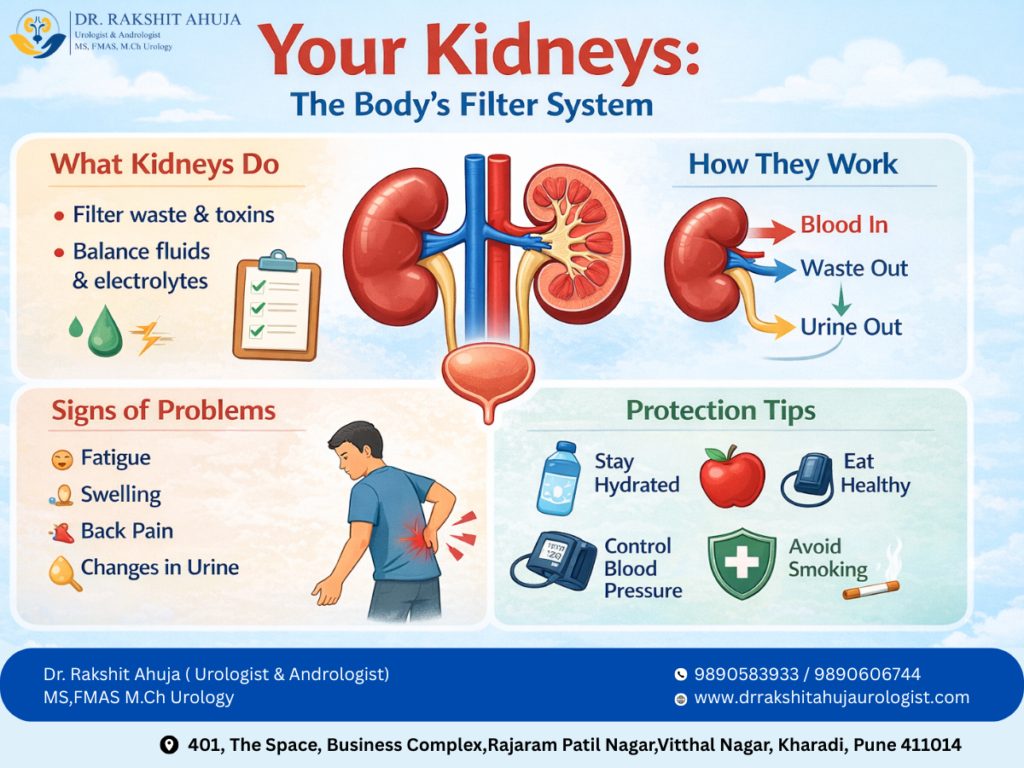
Your Kidneys: The Body’s Filter System

The kidneys are among the most important organs in the human body. Even though they are small in size, they perform powerful functions that keep the body healthy and balanced. Every day, the kidneys filter waste products, remove toxins from the blood, and regulate the balance of fluids and minerals in the body. When kidneys work properly, they help maintain overall health and support many essential body functions. However, when kidney health is affected, it can lead to various urological problems such as urinary tract infections (UTIs), kidney stones, bladder disorders, and prostate diseases. Understanding the role of the kidneys and recognizing early symptoms can help prevent serious complications. If you experience symptoms related to the urinary system, consulting an experienced Urologist in Pune is very important for proper diagnosis and treatment. Dr. Rakshit Ahuja, Urologist in Pune, Kidney Specialist & Prostate Treatment, provides expert care for a wide range of urological conditions including UTIs, kidney stones, bladder cancer, and prostate disorders. What Do the Kidneys Do? The kidneys are two bean-shaped organs located on both sides of the spine, just below the rib cage. Their main function is to filter the blood and remove waste products from the body through urine. Here are some of the key functions of the kidneys: Filtering Waste and Toxins The kidneys act like a natural filter for the body. They remove harmful waste and toxins from the blood and eliminate them through urine. Maintaining Fluid Balance Kidneys regulate the amount of water in the body. This helps prevent dehydration and keeps body fluids balanced. Balancing Electrolytes Electrolytes like sodium, potassium, and calcium are important for nerve and muscle function. The kidneys help maintain the right balance of these minerals. Controlling Blood Pressure Healthy kidneys also help regulate blood pressure by controlling fluid levels and releasing important hormones. When kidney function is affected, it may lead to several urinary or kidney-related conditions that require care from a Kidney Specialist in Pune. Common Kidney and Urinary Problems Many people experience kidney or urinary issues due to lifestyle habits, infections, dehydration, or other health conditions. Some of the most common problems include: Urinary Tract Infection (UTI) A urinary tract infection occurs when bacteria enter the urinary system and cause infection. UTIs are common and can affect the bladder, urethra, or kidneys. Common symptoms include: Burning sensation during urination  Frequent urge to urinate  Cloudy or strong-smelling urine  Pain in the lower abdomen  If left untreated, UTIs can spread to the kidneys and cause serious complications. Getting proper UTI Treatment in Pune from a qualified specialist can help manage the infection effectively. Kidney Stones Kidney stones are hard deposits of minerals that form inside the kidneys. They are often caused by dehydration, dietary factors, or certain medical conditions. Symptoms of kidney stones may include: Severe pain in the back or side  Blood in urine  Nausea or vomiting  Pain while urinating  Kidney stones can cause intense discomfort and may require medical treatment. Modern Kidney Stone Treatment in Pune includes advanced diagnostic methods and minimally invasive procedures to safely remove stones and prevent recurrence. Bladder Cancer Bladder cancer develops when abnormal cells grow in the lining of the bladder. Early diagnosis is very important for effective treatment. Warning signs of bladder cancer include: Blood in the urine  Frequent urination  Pain during urination  Pelvic discomfort  Consulting an experienced doctor for Bladder Cancer Treatment in Pune ensures proper evaluation and timely management of the condition. Prostate Cancer The prostate gland is part of the male reproductive system and is located below the bladder. As men age, they may develop prostate-related conditions including prostate cancer. Common symptoms include: Difficulty passing urine  Weak urine flow  Frequent urination, especially at night  Blood in urine or semen  Early screening and proper Prostate Cancer Treatment in Pune can significantly improve treatment outcomes and overall quality of life. Signs That Your Kidneys May Have a Problem Kidney problems often develop slowly and may not show clear symptoms in the early stages. However, some warning signs should not be ignored: Constant fatigue  Swelling in the legs or feet  Persistent lower back pain  Changes in urine color or frequency  Pain while urinating  If you experience any of these symptoms, it is advisable to consult a Urologist in Pune for proper diagnosis and treatment. Tips to Keep Your Kidneys Healthy Maintaining kidney health is important for overall well-being. Simple lifestyle habits can help protect your kidneys and prevent many urinary problems. Drink Enough Water Staying hydrated helps the kidneys flush out toxins and reduces the risk of kidney stones. Eat a Healthy Diet A balanced diet that includes fruits, vegetables, and whole grains supports kidney health. Control Blood Pressure and Diabetes These conditions can damage the kidneys if not properly managed. Avoid Smoking Smoking increases the risk of kidney disease and bladder cancer. Regular Health Checkups Routine visits to a Kidney Specialist in Pune can help detect kidney problems early and prevent complications. Expert Urology Care in Pune Kidney and urinary health problems should never be ignored. Early diagnosis and proper treatment can prevent serious complications and improve overall health. Dr. Rakshit Ahuja, Urologist in Pune, Kidney Specialist & Prostate Treatment, provides advanced diagnosis and treatment for various urological conditions. Patients looking for UTI Treatment in Pune, Kidney Stone Treatment in Pune, Bladder Cancer Treatment in Pune, or Prostate Cancer Treatment in Pune can receive expert care and personalized treatment plans. With modern medical techniques and a patient-focused approach, Dr. Rakshit Ahuja is committed to helping patients achieve better kidney and urinary health. If you experience symptoms related to the urinary system, seeking timely medical advice from an experienced Urologist in Pune can make a significant difference in your health and well-being.

Your Kidneys: The Body’s Filter System Read More »

Urologist in Pune

Exercise and Prostate Health: How Staying Active Can Protect Your Prostate Naturally

Prostate health is a growing concern for men, especially after the age of 40. With changing lifestyles, sedentary work culture, and increasing stress levels, prostate-related problems are becoming more common. The good news? Regular exercise can play a powerful role in protecting your prostate naturally. If you are looking for expert guidance from a Urologist In Pune, understanding how physical activity benefits your prostate is the first step toward prevention and long-term wellness. Understanding the Prostate and Common Problems The prostate is a small gland located below the bladder in men. It plays a key role in producing seminal fluid. As men age, the prostate may enlarge or develop other issues such as: Benign Prostatic Hyperplasia (BPH) Prostatitis (inflammation of the prostate) Prostate cancer Many patients visiting a Urology Doctor In Pune often ask whether lifestyle changes can reduce their risk. The answer is yes—exercise is one of the most effective natural protective measures. How Exercise Supports Prostate Health 1. Reduces Risk of Prostate Enlargement (BPH) Regular physical activity helps regulate hormones that influence prostate growth. Studies suggest that men who engage in moderate to vigorous exercise have a lower risk of developing BPH symptoms such as frequent urination, weak urine flow, and nighttime urination. Exercise also improves bladder control and pelvic muscle strength, which can significantly ease urinary symptoms. 2. Lowers Inflammation Chronic inflammation is linked to many prostate conditions. Exercise reduces inflammatory markers in the body, improving immune function and lowering the risk of prostatitis and other complications. When patients consult Dr. Rakshit Ahuja for Prostate Treatment In Pune, lifestyle correction—including exercise—is often recommended alongside medical management. 3. Helps Maintain Healthy Weight Obesity is strongly associated with prostate enlargement and aggressive prostate cancer. Excess fat tissue increases estrogen levels and inflammatory chemicals, which may negatively affect prostate health. Regular workouts help: Control weight Improve metabolism Balance hormones Reduce abdominal fat Even 30 minutes of brisk walking five days a week can make a noticeable difference. 4. Improves Blood Circulation Good blood flow ensures that prostate tissues receive adequate oxygen and nutrients. Physical activity enhances circulation in the pelvic region, supporting tissue repair and overall gland health. Sedentary lifestyles, on the other hand, can lead to pelvic congestion and urinary discomfort. 5. May Reduce Prostate Cancer Risk While no lifestyle change guarantees complete prevention, research suggests that physically active men have a lower risk of developing aggressive prostate cancer. Exercise strengthens the immune system and helps regulate insulin levels—both factors associated with cancer prevention. A trusted Urologist In Pune will always emphasize preventive care along with regular screening, especially for men above 50 or those with a family history of prostate cancer. Best Exercises for Prostate Health You don’t need intense gym routines to protect your prostate. Simple, consistent activities are highly effective. ✔ Brisk Walking Improves heart health and circulation while reducing stress. ✔ Kegel Exercises Strengthens pelvic floor muscles, improves urinary control, and supports prostate function. ✔ Cycling (with proper seat support) Enhances stamina and cardiovascular health. Use a prostate-friendly seat to avoid pressure. ✔ Swimming A low-impact full-body workout ideal for maintaining fitness without joint strain. ✔ Yoga Reduces stress and improves pelvic flexibility. Poses like Malasana and Bhujangasana may benefit pelvic health. Before starting any new workout routine, especially if you already have urinary symptoms, consult a qualified Urology Doctor In Pune for personalized advice. How Much Exercise Is Enough? According to health experts, aim for: At least 150 minutes of moderate aerobic activity per week Strength training twice a week Daily pelvic floor exercises Consistency matters more than intensity. Even small lifestyle changes—like taking stairs instead of elevators or walking after meals—contribute to prostate wellness. Exercise + Healthy Habits = Stronger Prostate For optimal results, combine exercise with: A diet rich in fruits and vegetables Reduced red meat intake Adequate hydration Limiting alcohol and smoking Regular prostate check-ups Men often ignore early urinary symptoms due to hesitation or lack of awareness. However, early evaluation can prevent complications. Seeking timely Prostate Treatment In Pune ensures better outcomes and peace of mind. When to See a Urologist Consult a specialist if you notice: Frequent urination, especially at night Difficulty starting urination Weak urine stream Burning sensation while urinating Blood in urine Early diagnosis allows for simple, effective treatments. Dr. Rakshit Ahuja provides comprehensive prostate care, combining advanced medical treatments with preventive lifestyle guidance. Final Thoughts Your prostate health is closely linked to your daily habits. Staying active is not just about fitness—it is about long-term protection against prostate enlargement, inflammation, and even cancer. If you are searching for a reliable Urologist In Pune, proactive lifestyle changes combined with expert consultation can make a significant difference. Exercise is a natural, cost-effective, and powerful tool to protect your prostate. Start today—your future health depends on it. About Dr. Rakshit Ahuja Dr. Rakshit Ahuja is a leading expert in Prostate Treatment In Pune, offering advanced urological care with a focus on prevention, early diagnosis, and patient-centered treatment plans. Select an element to maximize. Press ESC to cancel.

Exercise and Prostate Health: How Staying Active Can Protect Your Prostate Naturally Read More »

urologist in Pune

Foods That Promote Urinary Tract Health

Your urinary tract plays a vital role in removing toxins, maintaining hydration balance, and supporting overall wellness. Yet, many people ignore urinary health until problems like burning urination, infections, or kidney issues appear. The good news? Your daily diet can make a big difference. Including the right foods helps prevent infections, improves bladder health, and supports kidney function naturally. If you’re looking for expert guidance from a trusted Urologist in Pune, understanding the role of nutrition is the first step toward prevention and long-term urinary wellness. Why Diet Matters for Urinary Health Your urinary tract includes the kidneys, ureters, bladder, and urethra. These organs are constantly exposed to toxins filtered from the bloodstream. Poor hydration and unhealthy food choices can increase the risk of urinary tract infections (UTIs), kidney stones, and bladder irritation. A balanced diet helps: Flush bacteria from the urinary system Reduce inflammation Maintain proper urine pH Prevent stone formation An experienced Urology Doctor in Pune often recommends dietary changes as part of preventive care. Top Foods That Support Urinary Tract Health 1. Cranberries Cranberries are widely known for preventing UTIs. They contain compounds called proanthocyanidins that stop bacteria from sticking to the bladder lining. Unsweetened cranberry juice or fresh berries work best. 2. Water-Rich Fruits Fruits like watermelon, oranges, and strawberries help maintain hydration and increase urine flow. This naturally flushes toxins and bacteria out of the urinary tract. 3. Yogurt and Probiotics Probiotic-rich foods like yogurt support healthy gut and vaginal flora. Good bacteria help prevent harmful microbes from spreading into the urinary tract. 4. Leafy Green Vegetables Spinach, kale, and coriander are rich in antioxidants and magnesium. These nutrients reduce inflammation and help prevent kidney stone formation. 5. Garlic Garlic has natural antibacterial and antifungal properties. It strengthens immunity and helps the body fight infections naturally. 6. Cucumbers Cucumbers are high in water content and promote hydration. They also have a cooling effect that helps reduce burning urination and bladder irritation. 7. Coconut Water A natural electrolyte-rich drink, coconut water helps maintain hydration and supports kidney function. It’s especially beneficial in hot climates like Pune. Foods to Limit for Better Urinary Health While adding healthy foods is important, avoiding certain triggers is equally essential. Reduce intake of: Excess caffeine Alcohol Spicy foods (if prone to UTIs) Processed foods high in salt Sugary drinks These can irritate the bladder and worsen urinary symptoms. Hydration: The Most Important Habit Even the healthiest foods won’t help without adequate hydration. Drinking enough water helps dilute urine and flush out bacteria before they multiply. Aim for at least 2–3 liters of water daily unless advised otherwise by your doctor. If you frequently experience burning urination or infections, consult a specialist for UTI Treatment in Pune to prevent complications. When to See a Urologist While diet plays a preventive role, recurring symptoms should never be ignored. Seek medical advice if you experience: Frequent UTIs Blood in urine Painful urination Kidney stone symptoms Lower abdominal discomfort Early consultation with a qualified Urologist in Pune ensures accurate diagnosis and timely treatment. Final Thoughts Your urinary health reflects your daily lifestyle choices. By incorporating hydration-rich foods, probiotics, and antioxidant-rich vegetables, you can significantly reduce the risk of infections and support kidney wellness. Small dietary changes today can prevent major urological problems tomorrow. For personalized guidance and advanced care, consulting Dr. Rakshit Ahuja, Urology Doctor in Pune can help you maintain long-term urinary tract health with confidence. Select an element to maximize. Press ESC to cancel.

Foods That Promote Urinary Tract Health Read More »

Kidney Stone Treatment in Pune

When Should You Visit a Urologist for Kidney Stones?

Kidney stones are one of the most common and painful urological conditions affecting people of all ages. While small stones may pass naturally with hydration and medication, larger or complicated stones require expert care. Knowing when to visit a Urologist In Pune can prevent severe pain, infection, and long-term kidney damage. If you are experiencing symptoms or have been diagnosed with kidney stones, consulting an experienced Urology Doctor at the right time can make a significant difference in your recovery. What Are Kidney Stones? Kidney stones are hard mineral and salt deposits that form inside the kidneys. They develop when urine becomes concentrated, allowing minerals like calcium, oxalate, and uric acid to crystallize and stick together. Some stones remain small and pass unnoticed. Others can grow larger and block the urinary tract, causing intense pain and complications that require specialized Kidney Stone Treatment . Common Symptoms of Kidney Stones Kidney stone symptoms can range from mild discomfort to severe, unbearable pain. You should not ignore the following warning signs: Sharp pain in the lower back or side Pain radiating to the lower abdomen or groin Burning sensation during urination Blood in urine (pink, red, or brown urine) Frequent urge to urinate Nausea and vomiting Fever and chills (may indicate infection) If you experience severe pain or symptoms that worsen, it is important to visit a Kidney Specialist In Pune immediately. When Should You See a Urologist for Kidney Stones? While mild symptoms can sometimes be managed with hydration and prescribed medications, certain situations require immediate medical attention. 1. Severe or Unbearable Pain Kidney stone pain is often described as one of the most intense pains a person can experience. If over-the-counter pain relievers do not help or the pain becomes unbearable, you should consult a Urologist without delay. Persistent pain may indicate that the stone is blocking the ureter (the tube connecting the kidney to the bladder), which needs medical intervention. 2. Blood in Urine If you notice blood in your urine, even in small amounts, do not ignore it. While kidney stones can cause bleeding due to irritation, blood in urine may also indicate other serious urinary conditions. A qualified Urology Doctor In Pune can diagnose the exact cause through proper evaluation. 3. Fever and Chills Fever combined with kidney stone symptoms can signal a urinary tract infection (UTI). This is a medical emergency because infection along with obstruction can spread to the bloodstream. In such cases, immediate Kidney Stone Treatment In Pune is crucial to prevent life-threatening complications. 4. Difficulty Passing Urine If you are unable to pass urine or experience significantly reduced urine output, the stone may be causing a blockage. Complete urinary obstruction can damage the kidney and requires urgent care from a Kidney Specialist In Pune. 5. Recurrent Kidney Stones If you have had kidney stones before, your risk of developing them again is higher. Recurrent stones indicate an underlying metabolic or dietary issue. A Urologist can perform detailed tests to identify the cause and recommend preventive strategies. 6. Stones Larger Than 5-6 mm Small stones (less than 5 mm) often pass naturally. However, larger stones usually require medical procedures such as: ESWL (Shockwave Lithotripsy) URS (Ureteroscopy) Laser stone removal PCNL (Percutaneous Nephrolithotomy) An experienced Urology Doctor In Pune can determine the most suitable treatment based on the size, location, and type of stone. Why Early Consultation Matters Many patients delay visiting a doctor, hoping the stone will pass on its own. However, untreated kidney stones can lead to: Kidney infections Permanent kidney damage Severe dehydration Recurrent urinary problems Early diagnosis ensures quicker relief, less invasive treatment, and better long-term kidney health. Seeking expert Kidney Stone Treatment In Pune at the right time reduces complications and hospital stays. Diagnosis and Evaluation When you visit a Kidney Specialist, the doctor may recommend: Ultrasound CT Scan Urine tests Blood tests Stone analysis (if passed) These investigations help identify the stone type and underlying causes, allowing personalized treatment planning. Prevention Tips After Treatment Even after successful treatment, lifestyle changes are essential to prevent recurrence: Drink 2.5–3 liters of water daily Reduce excess salt intake Limit oxalate-rich foods (spinach, nuts, chocolate) Maintain a balanced diet Avoid excessive protein consumption Follow prescribed medications regularly Regular follow-ups with a trusted Urologist In Pune help monitor kidney health and prevent future stone formation. When Is It an Emergency? Seek immediate medical care if you experience: High fever with stone pain Persistent vomiting Severe back pain that doesn’t improve Inability to urinate Symptoms of dehydration These signs require urgent evaluation by a skilled Urology Doctor to prevent serious complications. Conclusion Kidney stones can be extremely painful, but timely medical attention ensures safe and effective management. While some small stones may pass naturally, many cases require expert intervention. If you experience persistent pain, blood in urine, fever, or recurrent stones, do not delay seeking professional care. Consulting an experienced Kidney Specialist In Pune ensures accurate diagnosis and advanced Kidney Stone Treatment, helping you recover comfortably and prevent future complications. Your kidney health should never be ignored. Early consultation with a trusted Urologist In Pune, Dr. Rakshit Ahuja can protect your kidneys and restore your quality of life. Select an element to maximize. Press ESC to cancel. Select an element to maximize. Press ESC to cancel.

When Should You Visit a Urologist for Kidney Stones? Read More »

Urologist in Pune

Diet & Exercise Tips to Improve Erectile Function Naturally

Erectile Dysfunction (ED) is more common than most men realize—and the good news is that in many cases, it’s reversible. Lifestyle factors like poor diet, lack of exercise, stress, and unhealthy habits play a major role in sexual health. As an experienced Urologist in Pune, Dr. Rakshit Ahuja often emphasizes that small, consistent changes in daily routines can significantly improve erectile function naturally. Before jumping to medications, understanding how food, fitness, and overall health affect erections can empower men to take control of their well-being. Understanding the Link Between Lifestyle and Erectile Function An erection depends on healthy blood flow, nerve function, hormones, and mental well-being. Conditions like diabetes, obesity, high blood pressure, and heart disease—often linked to lifestyle—can reduce blood circulation to the penis, leading to ED. That’s why a holistic approach recommended by a skilled Urology Doctor in Pune focuses on improving overall vascular and metabolic health rather than just treating symptoms. Diet Tips to Improve Erectile Function Naturally 1. Eat for Better Blood Flow Since erections rely on blood circulation, foods that support heart health also support sexual health. Include: Leafy greens (spinach, kale) – rich in nitrates that improve blood flow Beetroot – boosts nitric oxide levels naturally Citrus fruits – improve vessel elasticity These foods help relax blood vessels, allowing better penile blood flow. 2. Add Healthy Fats to Your Plate Healthy fats support testosterone production and reduce inflammation. Best choices: Nuts and seeds (walnuts, almonds, pumpkin seeds) Olive oil Avocados Low testosterone is a common contributor to ED, and diet plays a big role in hormone balance. 3. Choose Lean Proteins Protein supports muscle mass, hormone balance, and energy levels. Good options: Fish (especially salmon and tuna) Eggs Lean chicken Plant proteins like lentils and beans Omega-3 fatty acids in fish are especially beneficial for blood vessels. 4. Limit Sugar, Alcohol & Processed Foods Excess sugar and processed foods can lead to insulin resistance, obesity, and nerve damage—all risk factors for ED. Try to: Reduce sugary drinks and desserts Limit alcohol intake Avoid fried and ultra-processed foods Men seeking ED Treatment in Pune are often advised to clean up their diet as a first step. Exercise Tips to Boost Erectile Function 1. Cardio Is Your Best Friend Regular aerobic exercise improves circulation, heart health, and stamina. Aim for: Brisk walking Jogging Cycling Swimming Just 30 minutes a day, 5 days a week can significantly improve erectile quality. 2. Strength Training for Hormonal Balance Resistance training boosts testosterone levels and improves confidence. Focus on: Squats Deadlifts Push-ups Weight training Stronger muscles = better metabolism and hormone regulation. 3. Don’t Skip Pelvic Floor Exercises Kegel exercises strengthen the muscles responsible for maintaining erections and ejaculation. How they help: Improve rigidity Enhance control Support long-term erectile function A Urologist in Pune may specifically recommend pelvic floor training as part of natural ED management. 4. Reduce Stress Through Movement Stress and anxiety are silent erection killers. Exercise releases endorphins, improves sleep, and reduces performance anxiety. Try: Yoga Stretching Meditation combined with light workouts Mental health and sexual health are deeply connected. Additional Lifestyle Tips That Matter Quit smoking – Smoking damages blood vessels and reduces nitric oxide Get quality sleep – Poor sleep lowers testosterone Maintain a healthy weight – Obesity is strongly linked to ED Manage chronic conditions – Diabetes and BP must be controlled Lifestyle changes work best when combined with medical guidance. When to See a Urologist If erectile issues persist for more than a few weeks, it’s important to consult a specialist. ED can be an early warning sign of underlying health problems. Dr. Rakshit Ahuja, a trusted Urology Doctor in Pune, offers personalized evaluation and advanced ED Treatment in Pune, combining lifestyle guidance with medical solutions when needed. Final Thoughts Improving erectile function naturally is absolutely possible with the right diet, regular exercise, and healthy habits. Consistency is key. While lifestyle changes take time, they not only improve sexual health but also enhance overall quality of life. For expert guidance, diagnosis, and comprehensive care, consulting an experienced Urologist in Pune like Dr. Rakshit Ahuja can make all the difference. Dr. Rakshit is an experienced Urologist in Pune, offers expert guidance on natural lifestyle-based ED treatment for long-term men’s health. Select an element to maximize. Press ESC to cancel.

Diet & Exercise Tips to Improve Erectile Function Naturally Read More »

Urologist in Pune

How Diabetes and Hypertension Increase the Risk of Kidney Infection

Kidneys play a vital role in filtering waste, maintaining fluid balance, and regulating blood pressure in the body. However, chronic conditions like diabetes and hypertension (high blood pressure) can silently damage the kidneys over time, increasing the risk of serious complications such as kidney infections. As a leading Urologist in Pune, Dr. Rakshit Ahuja frequently treats patients who are unaware that their long-standing sugar or blood pressure issues are directly linked to kidney problems. Understanding how diabetes and hypertension affect kidney health is the first step toward prevention and early treatment. Understanding Kidney Infections A kidney infection, also known as pyelonephritis, is a type of urinary tract infection (UTI) that travels from the bladder up to the kidneys. It can cause symptoms like fever, back pain, burning urination, nausea, fatigue, and cloudy or foul-smelling urine. If left untreated, kidney infections can lead to permanent kidney damage or even life-threatening complications. People with diabetes and high blood pressure are at a significantly higher risk of developing kidney infections due to weakened kidney function and reduced immunity. How Diabetes Increases the Risk of Kidney Infection 1. High Blood Sugar Damages Kidney Filters Diabetes causes elevated blood sugar levels, which damage the tiny blood vessels (glomeruli) inside the kidneys. Over time, this reduces the kidneys’ ability to filter waste effectively, creating an environment where bacteria can grow more easily. 2. Weakened Immune System High sugar levels weaken the immune response, making it harder for the body to fight infections. This allows bacteria from the urinary tract to multiply and reach the kidneys. 3. Sugar in Urine Encourages Bacterial Growth Excess glucose in urine acts as a breeding ground for bacteria. This significantly increases the risk of recurrent urinary tract infections, which can eventually progress into kidney infections. 4. Diabetic Neuropathy and Incomplete Bladder Emptying Nerve damage caused by diabetes can affect bladder function, leading to incomplete emptying of urine. Stagnant urine increases the risk of bacterial infections spreading to the kidneys. According to experienced Urology Doctors in Pune, diabetic patients often present with silent kidney damage until an infection reveals the underlying issue. How Hypertension Raises the Risk of Kidney Infection 1. Reduced Blood Flow to the Kidneys High blood pressure damages blood vessels supplying the kidneys, reducing oxygen and nutrient flow. This weakens kidney tissue and lowers resistance to infections. 2. Structural Kidney Damage Long-term hypertension causes scarring and hardening of kidney tissues, making them more susceptible to infections and inflammation. 3. Impaired Waste Removal When kidneys don’t function optimally, toxins and bacteria stay in the urinary system longer, increasing the chances of infection. 4. Higher Risk of Chronic Kidney Disease (CKD) Hypertension is one of the leading causes of CKD. As kidney function declines, the body becomes less capable of fighting infections, including kidney infections. A skilled Kidney Specialist in Pune can detect early blood pressure–related kidney damage through routine tests before infections develop. Combined Impact of Diabetes and Hypertension When diabetes and hypertension coexist, the risk of kidney infection rises dramatically. Together, they: Accelerate kidney damage Increase frequency of UTIs Delay healing and recovery Raise chances of kidney failure This combination is one of the most common reasons patients require advanced urology care. Warning Signs You Should Not Ignore If you have diabetes or high blood pressure, watch out for: Frequent or painful urination Fever with chills Lower back or side pain Blood or pus in urine Sudden swelling in legs or face Fatigue and loss of appetite Early consultation with a Urologist in Pune can prevent serious complications. Diagnosis and Treatment Options A Urology Doctor in Pune may recommend: Urine tests to detect infection Blood tests to assess kidney function Ultrasound or CT scan for kidney structure Antibiotics for infection control Blood sugar and blood pressure optimization Lifestyle and dietary modifications In advanced cases, hospitalization or long-term kidney care may be required. Preventing Kidney Infections in Diabetic and Hypertensive Patients Prevention is always better than cure. Here’s how you can protect your kidneys: Maintain strict blood sugar control Keep blood pressure within recommended limits Stay well hydrated Avoid delaying urination Practice good personal hygiene Get routine kidney function tests Consult a Kidney Specialist in Pune regularly Lifestyle changes combined with medical supervision can significantly reduce infection risk. Expert Care Matters Kidney infections linked to diabetes and hypertension require specialized urology care. Dr. Rakshit Ahuja, a trusted Urologist in Pune, focuses on early diagnosis, personalized treatment plans, and long-term kidney protection to help patients maintain a better quality of life. Final Thought Diabetes and hypertension may seem manageable on their own, but their impact on kidney health can be severe if ignored. Regular monitoring, early intervention, and expert guidance from a Urology Doctor in Pune can make all the difference between healthy kidneys and lifelong complications. Dr. Rakshit Ahuja, a leading Kidney Specialist in Pune, provides expert care for kidney infections caused by diabetes and hypertension. 📞 Book an Appointment: 98905 83933 🌐 Visit Our Website: www.drrakshitahujaurologist.com Select an element to maximize. Press ESC to cancel. Select an element to maximize. Press ESC to cancel.

How Diabetes and Hypertension Increase the Risk of Kidney Infection Read More »

ED Treatment In Pune

Erectile Dysfunction and Age: What’s Normal and What’s Not

Erectile dysfunction (ED) is a topic many men hesitate to talk about, yet it is far more common than most realize—especially as age increases. While occasional difficulty in achieving or maintaining an erection can be normal, persistent erectile problems are not something to ignore. Understanding how age affects sexual health, and knowing when ED is a medical concern, can help men seek timely care and regain confidence. According to Dr. Rakshit Ahuja, a leading Urologist in Pune, erectile dysfunction is not simply an unavoidable part of aging. In many cases, it is a sign of underlying health issues that can be treated effectively with the right medical guidance. How Age Affects Erectile Function As men grow older, natural changes occur in the body that can influence sexual performance. Testosterone levels may gradually decline, blood flow may reduce, and nerve sensitivity can change. These factors can result in erections that take longer to develop or are less firm than before. However, aging alone does not cause complete loss of erectile function. Many men remain sexually active well into their 60s and 70s. What matters most is overall health, lifestyle, and the presence of medical conditions rather than age itself. What’s Considered Normal With Age? Some changes in erections are considered normal as men age, including: Needing more stimulation to achieve an erection Slightly reduced firmness compared to younger years Longer recovery time between erections Occasional difficulty during periods of stress or fatigue These changes do not usually interfere significantly with sexual satisfaction. If erections are still achievable and sexual activity is enjoyable, there is generally no cause for concern. What’s Not Normal—and Needs Attention Erectile dysfunction becomes a medical issue when: You consistently struggle to achieve or maintain an erection Erections are insufficient for penetration There is a sudden or progressive worsening of erectile ability ED is accompanied by low libido, pain, or emotional distress Persistent ED may indicate conditions such as diabetes, high blood pressure, heart disease, hormonal imbalance, or nerve damage. In some cases, ED can be an early warning sign of cardiovascular disease. Consulting an experienced Urologist in Pune can help identify the root cause and prevent complications beyond sexual health. Common Causes of Erectile Dysfunction at Different Ages In Younger Men (20s–30s) ED in younger men is often linked to: Stress and anxiety Performance pressure Depression Excessive alcohol or smoking Lifestyle factors such as poor sleep or lack of exercise Psychological ED is common in this age group and is highly treatable with proper evaluation. In Middle Age (40s–50s) This is when physical causes become more noticeable: Diabetes High cholesterol High blood pressure Obesity Early hormonal changes At this stage, ED may develop gradually and should not be ignored. In Older Men (60+) ED may be associated with: Reduced blood circulation Chronic medical conditions Long-term medication use Prostate-related issues Even then, effective ED Treatment in Pune can help restore sexual function and improve quality of life. Why Men Should Not Ignore Erectile Dysfunction Many men assume ED is “just part of getting older” and delay medical consultation. Unfortunately, this delay can allow underlying conditions to worsen. Erectile dysfunction is often connected to heart health, metabolic disorders, and mental well-being. Early diagnosis allows targeted treatment, lifestyle modification, and better long-term outcomes. Seeking professional care is not about masculinity—it’s about health. Modern ED Treatment Options Under expert care, erectile dysfunction can be managed successfully. Treatment depends on the cause and may include: Oral medications to improve blood flow Hormonal evaluation and therapy if needed Lifestyle changes such as weight management and exercise Counseling for stress-related or psychological ED Advanced medical therapies for complex cases With individualized ED Treatment in Pune, most men experience significant improvement and restored confidence. When to See a Urologist You should consult a urologist if: ED lasts longer than three months There is a sudden change in sexual function You have diabetes, heart disease, or prostate issues ED is affecting your relationship or mental health Dr. Rakshit Ahuja, an experienced Urologist in Pune, offers comprehensive evaluation and personalized treatment plans that address both physical and emotional aspects of erectile dysfunction. Final Thoughts Erectile dysfunction and age are connected—but ED is not inevitable. While some changes in sexual function are normal over time, persistent erectile problems are not. The good news is that with early diagnosis and appropriate ED Treatment in Pune, men can enjoy a fulfilling and healthy sexual life at any age. If you or a loved one is experiencing symptoms of erectile dysfunction, seeking timely medical advice can make all the difference. Your sexual health is an important part of your overall well-being—and help is available. Select an element to maximize. Press ESC to cancel.

Erectile Dysfunction and Age: What’s Normal and What’s Not Read More »

Urologist in Pune

Foods That Help Prevent Kidney Stones – And What to Avoid

Kidney stones are a common health issue affecting millions worldwide. They are hard deposits formed from minerals and salts in the kidneys, often causing severe pain, urinary issues, and discomfort. While genetics and medical conditions can increase the risk of developing kidney stones, diet plays a crucial role in both prevention and management. Making the right food choices can significantly reduce the chances of stone formation and support kidney health. Dr. Rakshit Ahuja, a renowned Urologist in Pune, emphasizes that lifestyle modifications, especially dietary changes, are among the most effective strategies for preventing kidney stones. Here’s a guide to foods that can help prevent kidney stones and foods you should limit or avoid. Foods That Help Prevent Kidney Stones Water – The Ultimate Kidney Protector Staying hydrated is the single most important factor in preventing kidney stones. Drinking at least 8–10 glasses of water daily helps dilute urine, reducing the concentration of minerals like calcium, oxalate, and uric acid that form stones. Herbal teas and water-rich fruits like watermelon can also contribute to hydration. Citrus Fruits – Nature’s Stone Fighters Citrus fruits such as lemons, oranges, and limes are rich in citrate, a natural inhibitor of stone formation. Citrate binds to calcium in the urine, preventing it from crystallizing into stones. Adding fresh lemon juice to water daily can be a simple yet effective preventive measure. Leafy Greens – Nutrient Powerhouses While some leafy greens contain oxalates, which can contribute to kidney stones, others like kale, lettuce, and cabbage are low in oxalates and rich in calcium. Dietary calcium from vegetables and dairy can bind to oxalate in the gut, reducing its absorption and decreasing stone risk. High-Fiber Foods – Aid Digestion and Stone Prevention Fiber-rich foods like whole grains, fruits, and vegetables help regulate digestion and maintain a healthy urinary system. They can also reduce calcium excretion in the urine, lowering the likelihood of stone formation. Low-Fat Dairy Products – Calcium Without Risk Contrary to common belief, dietary calcium helps prevent kidney stones rather than cause them. Low-fat milk, yogurt, and cheese provide essential calcium that binds to oxalate in the intestines, reducing the risk of stone formation. Foods Rich in Magnesium and Potassium Magnesium and potassium are minerals that help prevent the formation of kidney stones. Bananas, avocados, beans, nuts, and seeds are excellent sources. Including these in your daily diet can support overall kidney health and stone prevention. Berries and Fruits with Antioxidants Berries, cherries, and apples contain antioxidants that help reduce inflammation and oxidative stress in the kidneys. They are low in oxalates and provide essential nutrients that can aid in maintaining kidney health. Foods to Limit or Avoid High-Oxalate Foods Spinach, beetroot, rhubarb, and certain nuts contain high oxalate levels, which can combine with calcium to form kidney stones. While you don’t need to eliminate these entirely, moderation is key, especially if you are prone to calcium oxalate stones. Excess Salt High sodium intake increases calcium excretion in the urine, raising the risk of stone formation. Processed foods, canned soups, and salty snacks should be limited. Using herbs and spices instead of salt can add flavour without harming kidney health. Animal Protein in Excess Red meat, organ meats, and shellfish are high in purines, which break down into uric acid in the body. Excess uric acid can form uric acid stones. Limiting animal protein and opting for plant-based protein sources like lentils and legumes can reduce the risk. Sugary Drinks and Sweets Soft drinks, sugar-laden beverages, and excessive desserts can increase the risk of kidney stones. Fructose in sugary drinks promotes calcium, oxalate, and uric acid excretion. Water, infused water, and herbal teas are healthier alternatives. Too Much Vitamin C Supplementation High doses of vitamin C can convert into oxalate in the body, potentially increasing the risk of stones. It’s better to obtain vitamin C from natural sources like citrus fruits and berries rather than high-dose supplements. Lifestyle Tips for Kidney Stone Prevention Maintain a healthy weight through a balanced diet and regular exercise. Avoid dehydration, especially in hot climates or during intense physical activity. Monitor your urinary pH if prone to stones; some stones form in acidic urine. Consult a Kidney Specialist in Pune for personalized advice and preventive strategies. When to Seek Medical Help If you experience severe flank pain, blood in urine, nausea, or difficulty urinating, it’s crucial to seek immediate medical attention. Early intervention can prevent complications and reduce the need for invasive procedures. Kidney Stone Treatment in Pune options vary from medication to minimally invasive procedures, depending on the stone’s size, type, and location. Dr. Rakshit Ahuja, a trusted Urologist in Pune, specializes in personalized kidney stone management and prevention, helping patients lead healthier, stone-free lives. Select an element to maximize. Press ESC to cancel.

Foods That Help Prevent Kidney Stones – And What to Avoid Read More »

Kidney Specialist in Pune

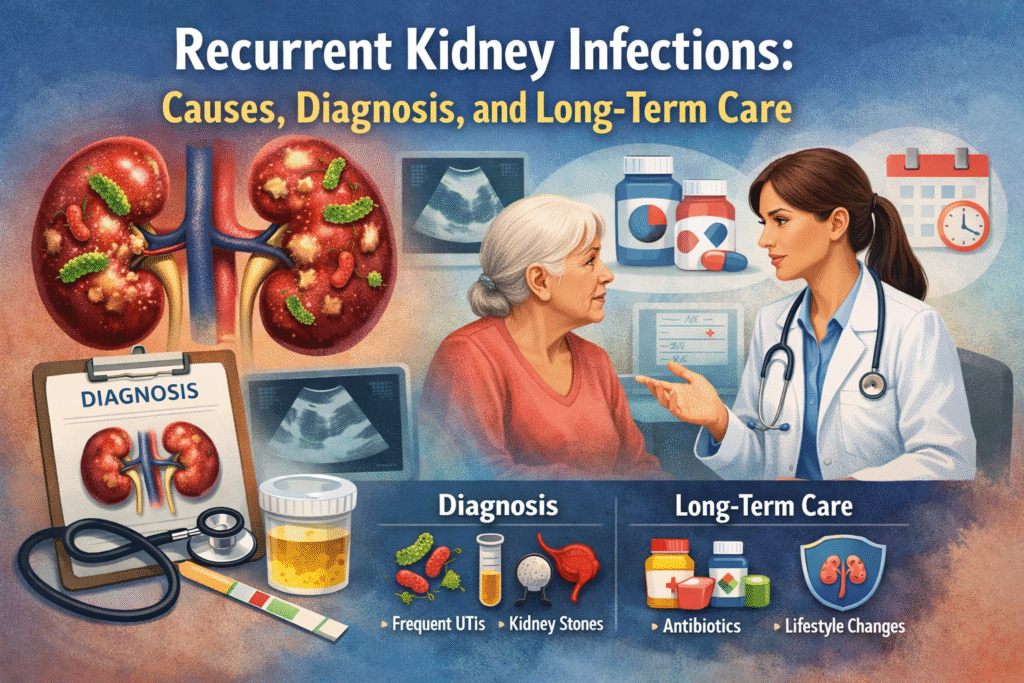
Recurrent Kidney Infections: Causes, Diagnosis, and Long-Term Care

Recurrent kidney infections, medically known as recurrent pyelonephritis, are a serious health concern that should never be ignored. Unlike a single urinary tract infection (UTI), repeated kidney infections can gradually damage the kidneys and affect overall health if not managed properly. Understanding the causes, diagnostic process, and long-term care options is essential for preventing complications and maintaining kidney health. What Are Recurrent Kidney Infections? A kidney infection occurs when bacteria travel from the bladder or urethra up to one or both kidneys. When such infections happen repeatedly—two or more times within six months or three or more times in a year—they are classified as recurrent kidney infections. These infections can cause persistent discomfort and increase the risk of permanent kidney damage if left untreated. Common symptoms include fever, chills, back or side pain, frequent and painful urination, cloudy or foul-smelling urine, fatigue, and nausea. In some cases, symptoms may be mild, making early diagnosis even more important. Causes of Recurrent Kidney Infections Several underlying factors can contribute to repeated kidney infections. Identifying the root cause is crucial for effective treatment and prevention. Structural abnormalities in the urinary tract, such as kidney stones, narrow ureters, or congenital defects, can block urine flow and allow bacteria to multiply. Vesicoureteral reflux (VUR), a condition where urine flows backward from the bladder to the kidneys, is a common cause, especially in children and young adults. Incomplete bladder emptying, often seen in people with diabetes, nerve disorders, or an enlarged prostate, increases the risk of infection. Weakened immunity due to chronic illnesses, stress, or long-term medication can make the body less capable of fighting bacteria. Frequent or untreated UTIs that are not fully cured may spread to the kidneys and recur. Consulting an experienced Urologist in Pune helps in accurately identifying these causes and planning targeted treatment. How Recurrent Kidney Infections Are Diagnosed Diagnosis involves more than just confirming an infection—it focuses on understanding why infections keep returning. A urine analysis and culture is usually the first step to detect bacteria and determine the most effective antibiotic. Blood tests may be recommended to assess kidney function and detect signs of systemic infection. Imaging tests, such as ultrasound, CT scan, or MRI, help identify structural problems, kidney stones, or obstructions in the urinary tract. In some cases, a cystoscopy may be performed to examine the bladder and urethra more closely. Accurate diagnosis by a skilled Kidney Specialist in Pune ensures that treatment addresses the root cause rather than just the symptoms. Treatment and Long-Term Care Strategies Managing recurrent kidney infections requires a combination of medical treatment and lifestyle changes. Medical Treatment Antibiotics remain the primary treatment, but in recurrent cases, longer or preventive antibiotic courses may be prescribed. If structural abnormalities or stones are found, surgical or minimally invasive procedures may be necessary to correct the issue and prevent future infections. Lifestyle and Preventive Care Long-term care focuses on reducing the risk of recurrence: Drinking adequate water to flush out bacteria Maintaining proper hygiene Urinating regularly and completely Managing blood sugar levels in diabetic patients Avoiding self-medication and completing prescribed antibiotic courses Regular follow-ups with a Urologist in Pune help monitor kidney health and catch early signs of infection before they become severe. When to See a Specialist If you experience repeated UTIs, persistent back pain, fever, or notice changes in urination, it is important to seek expert care promptly. Early intervention can prevent chronic kidney damage and long-term complications such as high blood pressure or reduced kidney function. Expert Care with Dr. Rakshit Ahuja Dr. Rakshit Ahuja is a trusted urology expert known for his patient-centric approach and evidence-based care. With extensive experience in managing complex urinary tract and kidney conditions, he focuses on accurate diagnosis, personalized treatment, and long-term prevention strategies to help patients achieve lasting kidney health. Select an element to maximize. Press ESC to cancel. Select an element to maximize. Press ESC to cancel.

Recurrent Kidney Infections: Causes, Diagnosis, and Long-Term Care Read More »