Dr. Rakshit Ahuja

Kidney Stone Treatment In Pune

If you’re suffering from kidney stone pain, trust Dr. Rakshit Ahuja, a leading Urologist in Pune, for expert care. Known as a top Kidney Stone Specialist in Pune, Dr. Ahuja, Urologist in Pune offers advanced and minimally invasive solutions tailored to each patient’s needs. His comprehensive approach to Kidney Stone Treatment in Pune includes accurate diagnosis, effective removal procedures, and guidance to prevent future stone formation. With state-of-the-art technology and a patient-first philosophy, Dr. Ahuja ensures safe, swift, and lasting relief. Whether it’s your first stone or a recurring issue, get the expert treatment you deserve. Book your consultation with Dr. Ahuja today.

Select an element to maximize. Press ESC to cancel.
Prostate Treatment In Pune

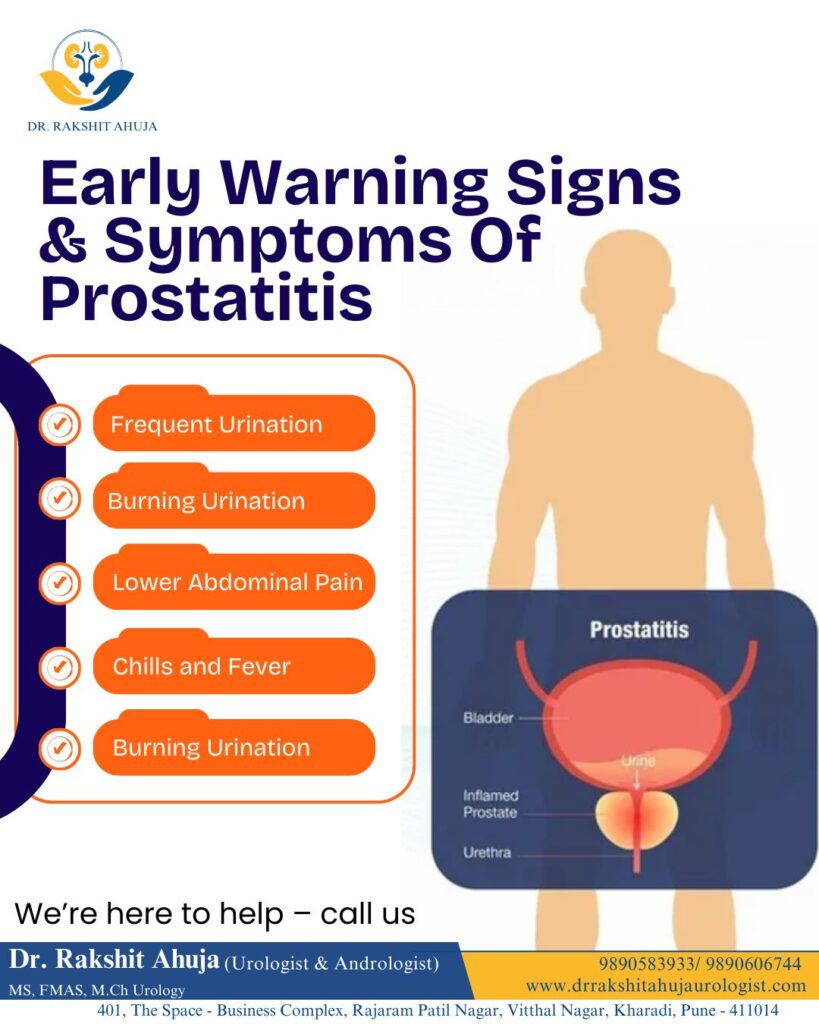
Early Warning Signs & Symptoms of Prostatitis – When to See a Urologist in Pune

Prostatitis is a common condition that affects the prostate gland in men. It can cause discomfort, urinary problems, and other health issues if not treated in time. Many men ignore the early symptoms, assuming they are temporary urinary problems. However, recognizing the warning signs early and consulting a specialist can help prevent complications. If you are experiencing symptoms related to prostate health, it is important to consult Dr. Rakshit Ahuja, Urologist in Pune, Kidney Specialist & Prostate Treatment for proper diagnosis and treatment. What is Prostatitis? Prostatitis refers to inflammation or infection of the prostate gland. The prostate is a small gland located below the bladder in men and plays an important role in the male reproductive system. When this gland becomes inflamed, it can cause pain, difficulty in urination, and other uncomfortable symptoms. Men of all ages can develop prostatitis, but it is more commonly seen in men under 50. In many cases, prostatitis may be caused by bacterial infection, while in others the exact cause may not be clear. Early diagnosis by an experienced Urologist in Pune can help manage the condition effectively. Early Warning Signs and Symptoms of Prostatitis Recognizing the early symptoms of prostatitis can help you seek medical attention before the condition worsens. Some of the most common symptoms include: Frequent Urination One of the earliest signs of prostatitis is the need to urinate more frequently than usual. You may feel the urge to urinate even when your bladder is not full. Burning Sensation During Urination A burning or painful sensation while passing urine is another common symptom. This occurs due to inflammation or infection in the urinary tract or prostate. Lower Abdominal or Pelvic Pain Men with prostatitis may experience pain or discomfort in the lower abdomen, pelvis, groin, or lower back. Chills and Fever In cases where prostatitis is caused by bacterial infection, symptoms such as fever, chills, and fatigue may occur. Difficulty in Urination Some men may experience weak urine flow, difficulty starting urination, or the feeling that the bladder is not fully empty. If you notice any of these symptoms, it is important to consult a Kidney Specialist in Pune for proper evaluation and treatment. Causes of Prostatitis There are several factors that can lead to prostatitis. Below are the symptms of : Bacterial infections in the urinary tract Urinary tract infections (UTI) Blockage in the urinary system Stress and nerve damage in the pelvic region Enlarged prostate or prostate inflammation A professional consultation with Dr. Rakshit Ahuja, Urologist in Pune, Kidney Specialist & Prostate Treatment can help identify the exact cause and recommend the right treatment. When Should You See a Urologist? Many men ignore prostate-related symptoms due to embarrassment or lack of awareness. However, delaying treatment may lead to complications such as chronic prostatitis, urinary infections, or kidney problems. For More result, consult to Dr. Rakshit Ahuja: Persistent burning during urination Frequent urination at night Pain in the pelvic area Blood in urine Fever with urinary problems Early diagnosis can help prevent more serious conditions such as prostate enlargement or prostate cancer. Advanced Urology Care in Pune Modern urology treatments focus on accurate diagnosis and minimally invasive procedures to ensure faster recovery. At the clinic of Dr. Rakshit Ahuja, Urologist in Pune, Kidney Specialist & Prostate Treatment, patients receive comprehensive care for a wide range of urological conditions. Services include: UTI Treatment in Pune Kidney Stone Treatment in Pune Prostate Cancer Treatment in Pune Bladder Cancer Treatment in Pune Advanced prostate and urinary tract care With advanced diagnostic tools and personalized treatment plans, patients can receive effective care tailored to their specific needs. Importance of Early Treatment Ignoring symptoms of prostatitis can lead to complications such as: Chronic pelvic pain Recurrent urinary tract infections Fertility issues Bladder or kidney problems Early consultation with a Kidney Specialist in Pune ensures that the condition is diagnosed accurately and treated promptly. Timely treatment can relieve symptoms and improve quality of life. Tips to Maintain Prostate Health Maintaining a healthy lifestyle can help reduce the risk of prostate-related conditions. Some helpful tips include: Drink plenty of water to keep the urinary system healthy Maintain good hygiene to prevent infections Avoid holding urine for long periods Diet should be rich in fruits and vegetables Get regular health check-ups If you have persistent urinary symptoms, do not ignore them. Consulting an experienced Urologist in Pune can help detect potential problems early. Conclusion Prostatitis is a common but treatable condition when diagnosed early. Symptoms such as frequent urination, burning sensation, pelvic pain, and fever should never be ignored. Seeking timely medical care can prevent complications and ensure better long-term health. If you are experiencing any urinary or prostate-related symptoms, consult Dr. Rakshit Ahuja, Urologist in Pune, Kidney Specialist & Prostate Treatment for expert diagnosis and advanced treatment options. With specialized services such as UTI Treatment in Pune, Kidney Stone Treatment in Pune, Bladder Cancer Treatment in Pune, and Prostate Cancer Treatment in Pune, you can receive comprehensive care for all your urological health needs. Early care leads to better health—schedule your consultation today and take the first step toward a healthier life.

Early Warning Signs & Symptoms of Prostatitis – When to See a Urologist in Pune Read More »

Kidney Stone Treatment in Pune

When Should You Visit a Urologist for Kidney Stones?

Kidney stones are one of the most common and painful urological conditions affecting people of all ages. While small stones may pass naturally with hydration and medication, larger or complicated stones require expert care. Knowing when to visit a Urologist In Pune can prevent severe pain, infection, and long-term kidney damage. If you are experiencing symptoms or have been diagnosed with kidney stones, consulting an experienced Urology Doctor at the right time can make a significant difference in your recovery. What Are Kidney Stones? Kidney stones are hard mineral and salt deposits that form inside the kidneys. They develop when urine becomes concentrated, allowing minerals like calcium, oxalate, and uric acid to crystallize and stick together. Some stones remain small and pass unnoticed. Others can grow larger and block the urinary tract, causing intense pain and complications that require specialized Kidney Stone Treatment . Common Symptoms of Kidney Stones Kidney stone symptoms can range from mild discomfort to severe, unbearable pain. You should not ignore the following warning signs: Sharp pain in the lower back or side Pain radiating to the lower abdomen or groin Burning sensation during urination Blood in urine (pink, red, or brown urine) Frequent urge to urinate Nausea and vomiting Fever and chills (may indicate infection) If you experience severe pain or symptoms that worsen, it is important to visit a Kidney Specialist In Pune immediately. When Should You See a Urologist for Kidney Stones? While mild symptoms can sometimes be managed with hydration and prescribed medications, certain situations require immediate medical attention. 1. Severe or Unbearable Pain Kidney stone pain is often described as one of the most intense pains a person can experience. If over-the-counter pain relievers do not help or the pain becomes unbearable, you should consult a Urologist without delay. Persistent pain may indicate that the stone is blocking the ureter (the tube connecting the kidney to the bladder), which needs medical intervention. 2. Blood in Urine If you notice blood in your urine, even in small amounts, do not ignore it. While kidney stones can cause bleeding due to irritation, blood in urine may also indicate other serious urinary conditions. A qualified Urology Doctor In Pune can diagnose the exact cause through proper evaluation. 3. Fever and Chills Fever combined with kidney stone symptoms can signal a urinary tract infection (UTI). This is a medical emergency because infection along with obstruction can spread to the bloodstream. In such cases, immediate Kidney Stone Treatment In Pune is crucial to prevent life-threatening complications. 4. Difficulty Passing Urine If you are unable to pass urine or experience significantly reduced urine output, the stone may be causing a blockage. Complete urinary obstruction can damage the kidney and requires urgent care from a Kidney Specialist In Pune. 5. Recurrent Kidney Stones If you have had kidney stones before, your risk of developing them again is higher. Recurrent stones indicate an underlying metabolic or dietary issue. A Urologist can perform detailed tests to identify the cause and recommend preventive strategies. 6. Stones Larger Than 5-6 mm Small stones (less than 5 mm) often pass naturally. However, larger stones usually require medical procedures such as: ESWL (Shockwave Lithotripsy) URS (Ureteroscopy) Laser stone removal PCNL (Percutaneous Nephrolithotomy) An experienced Urology Doctor In Pune can determine the most suitable treatment based on the size, location, and type of stone. Why Early Consultation Matters Many patients delay visiting a doctor, hoping the stone will pass on its own. However, untreated kidney stones can lead to: Kidney infections Permanent kidney damage Severe dehydration Recurrent urinary problems Early diagnosis ensures quicker relief, less invasive treatment, and better long-term kidney health. Seeking expert Kidney Stone Treatment In Pune at the right time reduces complications and hospital stays. Diagnosis and Evaluation When you visit a Kidney Specialist, the doctor may recommend: Ultrasound CT Scan Urine tests Blood tests Stone analysis (if passed) These investigations help identify the stone type and underlying causes, allowing personalized treatment planning. Prevention Tips After Treatment Even after successful treatment, lifestyle changes are essential to prevent recurrence: Drink 2.5–3 liters of water daily Reduce excess salt intake Limit oxalate-rich foods (spinach, nuts, chocolate) Maintain a balanced diet Avoid excessive protein consumption Follow prescribed medications regularly Regular follow-ups with a trusted Urologist In Pune help monitor kidney health and prevent future stone formation. When Is It an Emergency? Seek immediate medical care if you experience: High fever with stone pain Persistent vomiting Severe back pain that doesn’t improve Inability to urinate Symptoms of dehydration These signs require urgent evaluation by a skilled Urology Doctor to prevent serious complications. Conclusion Kidney stones can be extremely painful, but timely medical attention ensures safe and effective management. While some small stones may pass naturally, many cases require expert intervention. If you experience persistent pain, blood in urine, fever, or recurrent stones, do not delay seeking professional care. Consulting an experienced Kidney Specialist In Pune ensures accurate diagnosis and advanced Kidney Stone Treatment, helping you recover comfortably and prevent future complications. Your kidney health should never be ignored. Early consultation with a trusted Urologist In Pune, Dr. Rakshit Ahuja can protect your kidneys and restore your quality of life. Select an element to maximize. Press ESC to cancel. Select an element to maximize. Press ESC to cancel.

When Should You Visit a Urologist for Kidney Stones? Read More »

Kidney Stone Treatment in Pune

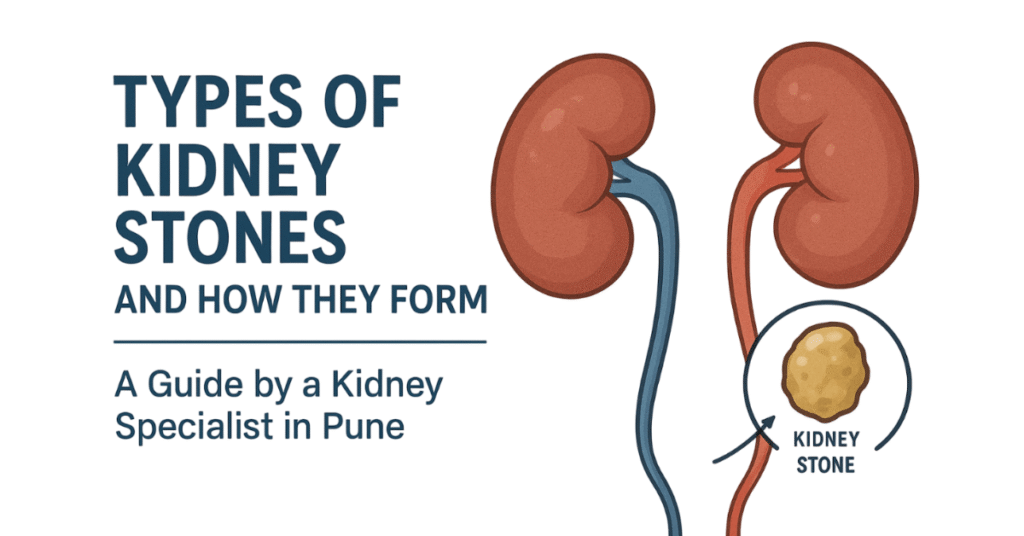
Types of Kidney Stones and How They Form – A Guide by a Kidney Specialist in Pune

Kidney stones are a common and painful urological condition affecting people of all ages. These hard deposits form inside the kidneys when minerals and salts in the urine crystallize. Understanding the types of kidney stones and how they form is essential for proper diagnosis, prevention, and treatment. In this blog, Dr. Rakshit Ahuja, a leading Kidney Specialist in Pune, shares expert insights into the different types of kidney stones and their causes. What Are Kidney Stones? Kidney stones, also known as renal calculi, are solid masses made of crystals. They vary in size, ranging from tiny grains to larger stones that can block the flow of urine. Depending on their composition, kidney stones are classified into different types. Identifying the type of stone is key to choosing the right Kidney Stone Treatment in Pune. Types of Kidney Stones 1. Calcium Oxalate Stones These are the most common type of kidney stones, formed when calcium combines with oxalate in the urine. Oxalate is naturally found in certain foods like spinach, nuts, and chocolate. Dehydration, high-oxalate diets, and certain metabolic disorders can increase the risk of these stones. A Best Urologist in Pune, often advises patients to drink plenty of water and limit oxalate-rich foods to reduce recurrence. 2. Calcium Phosphate Stones These stones are also calcium-based but form in alkaline urine. Conditions like hyperparathyroidism and urinary tract infections can increase the risk. Managing the pH balance of urine is crucial to preventing these stones. As a Kidney Specialist, often recommends dietary and lifestyle changes along with medications for patients prone to calcium phosphate stones. 3. Uric Acid Stones These form when urine is too acidic and is more common in people with high purine intake (found in red meat, shellfish, and organ meats). Individuals with gout or those undergoing chemotherapy are at higher risk. Proper hydration and medications to reduce uric acid levels are essential. For those seeking Kidney Stone Treatment, early detection of uric acid stones can help avoid complications and more invasive treatments. 4. Struvite Stones Also known as infection stones, struvite stones form in response to urinary tract infections (UTIs). They grow quickly and can become quite large, potentially causing serious kidney damage. These stones require prompt medical attention. A trusted Urologist in Kharadi Pune, emphasizes the importance of treating the underlying infection to prevent struvite stones from forming or recurring. 5. Cystine Stones Cystine stones are rare and usually hereditary, forming in individuals with a condition called cystinuria. This genetic disorder causes the kidneys to excrete too much cystine, which leads to stone formation. As an experienced Urologist provides long-term treatment plans and monitoring for patients with cystinuria to help manage and prevent these challenging stones. How Kidney Stones Form: The Science Behind It Kidney stones develop when your urine becomes too concentrated, allowing minerals and salts to stick together and form crystals. Over time, these crystals grow into stones. The primary factors contributing to stone formation include: Dehydration: Not drinking enough water leads to concentrated urine. Diet: High intake of sodium, protein, and oxalate-rich foods can increase stone risk. Medical Conditions: Certain diseases like hyperparathyroidism, obesity, and urinary tract infections raise the likelihood of stone formation. Genetics: Family history plays a significant role, especially in rare types like cystine stones. Prevention and Treatment Options The good news is that kidney stones can often be prevented with lifestyle changes and proper hydration. However, when stones form, treatment depends on their type and size. Kidney Stone Treatment offered by Dr. Rakshit Ahuja includes: Medical Therapy: Medications to dissolve small stones or prevent new ones. Extracorporeal Shock Wave Lithotripsy (ESWL): Non-invasive technique using shock waves to break stones. Laser Lithotripsy: Advanced procedure to fragment stones via ureteroscopy. Surgery: For very large or complex stones. Regular follow-ups with a Kidney Specialist can help monitor your kidney health and avoid recurrence. Why Choose us? If you’re looking for expert care and personalized treatment, a highly experienced Urologist in Pune, is here to help. With a clinic conveniently located for those searching for a Urologist in Kharadi, Pune, Dr. Ahuja combines advanced diagnostic tools with a compassionate approach to ensure the best outcomes for his patients. Final Thoughts Kidney stones can be painful and disruptive, but with the right knowledge and care, they are manageable and often preventable. Understanding the types of stones and how they form is the first step toward effective treatment. Whether you’re facing symptoms or want to avoid future episodes, consulting a trusted Kidney Specialist in Pune like Dr. Rakshit Ahuja ensures you’re on the right path. Don’t wait—your kidney health is worth protecting. To book an appointment with Leading Urologist for expert Kidney Stone Treatment in Pune – contact us today. 📞 Book an Appointment: 98905 83933 🌐 Visit Our Website: www.drrakshitahujaurologist.com Select an element to maximize. Press ESC to cancel. Select an element to maximize. Press ESC to cancel.

Types of Kidney Stones and How They Form – A Guide by a Kidney Specialist in Pune Read More »

Kidney Stone Treatment in Pune

Do You Have a Kidney Stone or Just Back Pain? Here’s How to Tell the Difference

Back pain is a common complaint. It affects millions of people due to everything from poor posture and muscle strain to spinal issues. But sometimes, that familiar ache in your lower back may not be back pain at all—it could be a sign of a kidney stone. As a Urologist in Pune, I often see patients who initially ignore kidney stone symptoms, thinking they just “pulled a muscle” or “slept wrong.” In this blog, I’ll explain the key differences between kidney stone pain and typical back pain, and when to seek medical help. Understanding Kidney Stones Kidney stones are hard, crystal-like substances that form in your kidneys when there is an imbalance in your urine—too much calcium, oxalate, or uric acid, and not enough fluid. These stones can stay in the kidney or move into the ureter (the tube that carries urine from the kidney to the bladder), where they can cause intense pain and complications. Early diagnosis is crucial. Ignoring the symptoms can lead to worsening pain, infection, or even kidney damage. Fortunately, effective Kidney Stone Treatment in Pune is readily available with modern, minimally invasive techniques. Common Symptoms of Kidney Stones Unlike muscle-related back pain, kidney stones often cause severe, sharp pain that comes in waves. Here are the hallmark symptoms: 1. Location and Nature of Pain Kidney stone pain typically starts in the side or back, below the ribs. It often radiates to the lower abdomen or groin as the stone moves through the urinary tract. The pain is sharp, cramping, and comes in waves—it can intensify, subside, and return. In contrast, back pain: Is more localized to the spine or muscles. Often worsens with movement, bending, or lifting. May be dull or aching rather than sharp and cramping. 2. Associated Symptoms Kidney stones usually cause additional symptoms such as: Nausea or vomiting Fever and chills (if there is an infection) Painful or burning urination Cloudy or foul-smelling urine Blood in the urine (hematuria) – your urine might appear pink, red, or brown. Back pain from a musculoskeletal cause typically doesn’t cause urinary symptoms or fever. 3. Onset and Triggers Kidney stone pain often appears suddenly and can wake you up at night. It may be triggered by dehydration, intense exercise, or dietary changes. Back pain: Usually builds up gradually due to strain, injury, or poor posture. Can be managed with rest, stretching, or pain relievers, whereas kidney stone pain is often unrelenting. When to See a Kidney Specialist If you are experiencing any of the following, you should consult a Kidney Specialist immediately: Severe pain that doesn’t improve with over-the-counter medication Blood in your urine Persistent vomiting or nausea Fever or chills with back pain Difficulty passing urine Dr. Rakshit Ahuja offers comprehensive evaluation and Urologist in Pune, ensuring patients receive a timely and accurate diagnosis. Diagnosis: How We Tell the Difference A detailed history and physical examination can often reveal clues about the cause of your pain. Diagnostic tests help confirm the presence of kidney stones: Urinalysis: Checks for blood, infection, and stone-forming minerals. Blood tests: Assess kidney function and check for imbalances. Ultrasound or CT scan: Most accurate way to locate kidney stones and determine their size and location. Musculoskeletal back pain, on the other hand, might require an X-ray or MRI to rule out spinal issues like a slipped disc or arthritis. Effective Kidney Stone Treatment If you’re diagnosed with a kidney stone, don’t panic. There are several treatment options depending on the size and location of the stone: 1. Hydration and Pain Management Small stones can often pass on their own with increased fluid intake, along with pain relievers and medications that help relax the ureters. 2. Medical Expulsion Therapy Certain medications can speed up stone passage and reduce the risk of complications. 3. Minimally Invasive Procedures For larger or stubborn stones, we offer: Shock Wave Lithotripsy (SWL) – uses sound waves to break the stone into smaller fragments. Ureteroscopy with Laser Lithotripsy – a thin scope is inserted via the urinary tract to remove or break stones using a laser. PCNL (Percutaneous Nephrolithotomy) – used for large kidney stones via a small incision in the back. At Dr. Rakshit Ahuja’s clinic, we prioritize patient comfort, minimal downtime, and advanced care for all forms of Kidney Stone Treatment. Preventing Kidney Stones Once you’ve had a kidney stone, your risk of recurrence increases. Prevention includes: Drinking plenty of water (at least 2–3 liters daily) Reducing intake of salty, oxalate-rich, and high-protein foods Eating more citrus fruits (citrate helps prevent stones) Following a customized prevention plan if you have recurrent stones A Kidney Specialist in Pune can help identify the type of stone you had and tailor preventive strategies to your needs. Conclusion It’s easy to confuse kidney stone pain with ordinary back pain, but paying attention to your symptoms can help you catch the warning signs early. If you’re unsure or suffering from severe discomfort, don’t wait. A proper diagnosis can make all the difference in your recovery and long-term kidney health. If you’re looking for expert care and Kidney Stone Treatment in Pune, Dr. Rakshit Ahuja is here to help. With advanced diagnostics, personalized treatment plans, and a compassionate approach, we ensure your journey to recovery is smooth and effective. Book your consultation with Dr. Rakshit Ahuja – trusted Kidney Specialist in Pune – and take the first step toward pain-free living today. 📞 Book an Appointment: 98905 83933 🌐 Visit Our Website: www.drrakshitahujaurologist.com Select an element to maximize. Press ESC to cancel.

Do You Have a Kidney Stone or Just Back Pain? Here’s How to Tell the Difference Read More »

Kidney Specialist in Pune

Can Kidney Stones Lead to Kidney Damage? What You Need to Know

Kidney stones are a common urological condition that affects millions of people worldwide. While they are often perceived as a painful yet temporary problem, the consequences of untreated or recurrent kidney stones can be more severe than many people realize. One critical question patients often ask is: Can kidney stones lead to kidney damage? The short answer is yes—if left untreated, kidney stones can potentially cause permanent kidney damage and other serious health issues. In this blog, we’ll explore how kidney stones form, what complications they can lead to, and why timely diagnosis and expert management by a Kidney Specialist like Dr. Rakshit Ahuja is essential. What Are Kidney Stones? Kidney stones are hard mineral and salt deposits that form inside the kidneys. They develop when your urine becomes concentrated with substances like calcium, oxalate, or uric acid, which can crystallize and stick together. These stones can range in size from a grain of sand to a golf ball. The most common types of kidney stones include: Calcium stones (usually calcium oxalate) Struvite stones (associated with infections) Uric acid stones Cystine stones (genetic) Symptoms of Kidney Stones Many kidney stones cause no symptoms and are discovered incidentally. However, when stones begin to move into the ureter (the tube connecting the kidney and bladder), they can cause: Severe pain in the back or side (renal colic) Blood in urine Nausea and vomiting Frequent urination Burning sensation during urination Fever and chills (if infection is present) If you’re experiencing any of these symptoms, it is crucial to consult a Urology Doctor in Pune promptly to prevent complications. Can Kidney Stones Cause Kidney Damage? 1. Obstruction of Urine Flow When a kidney stone blocks the ureter, it can obstruct the normal flow of urine. This leads to hydronephrosis, a condition where the kidney swells due to urine buildup. Prolonged obstruction puts pressure on the kidney tissues, reducing blood flow and potentially leading to kidney function impairment or even permanent kidney damage. 2. Recurrent Infections Stones can harbor bacteria, leading to recurrent urinary tract infections (UTIs). Chronic infections increase the risk of pyelonephritis (kidney infection), which can scar the kidneys over time and reduce their ability to filter waste efficiently. 3. Chronic Kidney Disease (CKD) Long-standing or untreated kidney stones, especially recurrent ones, have been linked to chronic kidney disease. Studies show that people with recurrent stone disease have a higher risk of gradual loss of kidney function, especially when combined with other conditions like diabetes or hypertension. 4. Kidney Failure In extreme cases, untreated stones can lead to complete kidney failure, necessitating dialysis or even a kidney transplant. While this is rare, the risk increases if both kidneys are affected or if there are repeated episodes of obstruction and infection. Who Is at Risk? Some people are more prone to developing kidney stones and subsequent complications. Risk factors include: Dehydration High-protein, high-sodium diets Family history of kidney stones Obesity Certain medical conditions like gout, hyperparathyroidis Recurrent urinary tract infections If you have any of these risk factors, regular follow-ups with a Kidney Specialist in Pune like Dr. Rakshit Ahuja can help in early detection and prevention. Timely Diagnosis Is Key To determine if kidney stones are present and to assess their size and location, diagnostic tools such as: Ultrasound CT scans X-rays (KUB) Urine analysis Blood tests are commonly used. These tests also help in evaluating kidney function and identifying any signs of obstruction or infection. Effective Kidney Stone Treatment With advances in medical technology, kidney stone treatment has become safer, faster, and less invasive. At Dr. Rakshit Ahuja’s clinic in Pune, patients receive personalized care plans based on the size, location, and type of stone. Treatment options include: Medical Management Small stones may pass on their own with increased fluid intake and medication. Pain relievers and alpha-blockers may be prescribed to facilitate stone passage.   Extracorporeal Shock Wave Lithotripsy (ESWL) Non-invasive procedure using sound waves to break stones into smaller fragments that can be passed naturally.   Ureteroscopy A thin scope is inserted into the urinary tract to locate and remove or fragment the stone using a laser.   Percutaneous Nephrolithotomy (PCNL) A minimally invasive surgical procedure for removing large or complex stones directly from the kidney.   Laparoscopic Stone Removal In rare cases, laparoscopic surgery may be recommended for extremely large or difficult-to-reach stones. Dr. Rakshit Ahuja, a leading Urologist in Pune, is skilled in performing these advanced procedures with a focus on safety, faster recovery, and long-term results. Preventing Kidney Stones & Protecting Kidney Health Prevention is always better than cure. Here are some tips to reduce the risk of kidney stones and prevent kidney damage: Stay well-hydrated: Aim for at least 2.5–3 liters of water a day. Limit salt and animal protein: High sodium and red meat intake can increase stone risk. Increase intake of fruits and vegetables: These provide natural citrate, which helps prevent stone formation. Manage weight and medical conditions: Control diabetes, blood pressure, and obesity. Follow up with a kidney specialist: Regular monitoring is essential if you have a history of stones. Why Choose Dr. Rakshit Ahuja for Kidney Stone Treatment? Dr. Rakshit Ahuja is a highly experienced Kidney Specialist, known for his patient-centered approach and use of state-of-the-art technology. Whether you’re dealing with a first-time stone or recurrent stone disease, his clinic provides comprehensive evaluation, accurate diagnosis, and customized treatment plans to ensure optimal kidney health. Patients across Pune trust Dr. Ahuja not only for his clinical expertise but also for his compassionate care and focus on long-term well-being. If you’re searching for effective Kidney Stone Treatment in Pune, you’re in safe hands with Dr. Ahuja. Conclusion While kidney stones are common and treatable, ignoring them can lead to serious consequences, including irreversible kidney damage. Timely diagnosis, expert care, and preventive measures are essential to protect your kidneys. If you suspect a kidney stone or have a history of stones, don’t delay. Book a consultation with Dr. Rakshit Ahuja, the trusted Urologist in Pune, and take

Can Kidney Stones Lead to Kidney Damage? What You Need to Know Read More »

Kidney Stone Treatment in Pune

Urology Treatments for Men and Women: What You Need to Know

Urology is a specialized branch of medicine focused on diagnosing and treating disorders of the urinary tract and the male reproductive system. While the field is often associated with male health, both men and women can experience urological conditions that require expert evaluation and care. As a trusted Urologist in Pune, Dr. Rakshit Ahuja provides advanced and personalized treatment options for a wide range of urological conditions affecting both genders. This blog will guide you through the most common urological issues in men and women, how they differ, and what treatment options are available. Understanding the Role of a Urologist A Urology Doctor in Pune like Dr. Rakshit Ahuja is trained to manage various conditions related to: Kidneys Ureters (tubes connecting the kidneys to the bladder) Bladder Urethra Male reproductive organs (prostate, testes, penis) Early diagnosis and treatment are critical in preventing complications and improving outcomes in urology care. Common Urological Conditions in Men Men are more likely to experience certain urological conditions due to the anatomy of the male reproductive system. Here are some commonly treated issues: 1. Prostate Problems Benign Prostatic Hyperplasia (BPH): Enlargement of the prostate causing difficulty in urination. Prostatitis: Inflammation or infection of the prostate gland. Prostate Cancer: One of the most common cancers in men; early detection improves survival. 2. Erectile Dysfunction (ED) Often linked to underlying urological, vascular, or neurological conditions, ED can be effectively managed with medications, lifestyle changes, or surgical options. 3. Male Infertility Issues like low sperm count, varicocele (enlarged veins in the scrotum), or hormonal imbalances can be addressed through medical or surgical intervention. 4. Kidney Stones Men are slightly more prone to kidney stones. Dr. Ahuja offers specialized Kidney Stone Treatment in Pune, including laser procedures, lithotripsy, and minimally invasive surgery. Common Urological Conditions in Women Though women don’t have prostates or male reproductive anatomy, they face their own set of urological challenges. 1. Urinary Tract Infections (UTIs) Women are at a higher risk due to a shorter urethra. Recurrent UTIs can be a sign of deeper urological issues. 2. Urinary Incontinence Leakage of urine due to stress, urge, or mixed incontinence is common in women, especially after childbirth or menopause. 3. Interstitial Cystitis (Bladder Pain Syndrome) A chronic condition causing bladder pain and frequent urination, often mistaken for UTIs. 4. Pelvic Organ Prolapse Due to weakened pelvic muscles, organs like the bladder may drop from their normal position, requiring urological correction. 5. Kidney Conditions Women too are prone to kidney stones, infections, and other issues that need the attention of a Kidney Specialist in Pune. Shared Urological Conditions in Men and Women Some conditions affect both men and women equally, and timely treatment is essential to prevent kidney damage or chronic pain. Kidney Stones – Hard mineral deposits in the kidneys can cause severe pain and blockages. Dr. Ahuja offers expert Kidney Stone Treatment using the latest technologies. Bladder Infections Bladder Cancer Urinary Incontinence Overactive Bladder (OAB) Diagnostic Tools in Urology Advanced diagnostics help detect problems early and guide treatment. At Dr. Rakshit Ahuja’s clinic, evaluations include: Urinalysis and urine culture Ultrasound and CT scans Uroflowmetry Cystoscopy Urodynamic studies These help in assessing bladder function, detecting obstructions, and evaluating kidney health. Urology Treatments Tailored to Gender-Specific Needs Urological care is not one-size-fits-all. Treatment strategies depend on the patient’s gender, age, lifestyle, and the severity of the condition. For Men: TURP (Transurethral Resection of the Prostate) for BPH Prostate cancer screening and biopsy Vasectomy and vasectomy reversal Erectile dysfunction management For Women: Pelvic floor therapy for incontinence Sling procedures or Botox injections for bladder control Urethral dilation or repair UTI prevention strategies Both men and women benefit from minimally invasive and laser-based solutions that reduce recovery time and hospital stays. Why Choose Dr. Rakshit Ahuja? When you need expert care from a Kidney Specialist in Pune, choosing a skilled and compassionate professional matters. Dr. Rakshit Ahuja combines advanced diagnostic tools with patient-centric care. Whether you’re dealing with a persistent UTI or a complex prostate issue, you’re in expert hands. Highlights of Dr. Ahuja’s Urology Practice: Advanced kidney stone treatment using lasers Comprehensive male and female urology care Minimally invasive surgical expertise Emphasis on patient education and preventive care Prevention & Lifestyle Tips for Urological Health Good urological health starts with simple lifestyle changes: Stay well hydrated Maintain hygiene Avoid delaying urination Manage weight and exercise regularly Limit salt and oxalate-rich foods to prevent kidney stones Get regular check-ups if you have a family history of urological disorders Prevention, timely diagnosis, and prompt treatment can save you from long-term complications. Conclusion Urology plays a vital role in both male and female health. From managing prostate conditions in men to treating incontinence in women, a skilled Urologist in Pune like Dr. Rakshit Ahuja ensures you receive accurate diagnosis, advanced treatment, and compassionate care. Whether you’re seeking Kidney Stone Treatment in Pune, help with urinary issues, or expert guidance for chronic urological conditions, Dr. Ahuja provides personalized care for every patient. 📞 Book an Appointment: 98905 83933 🌐 Visit Our Website: www.drrakshitahujaurologist.com Select an element to maximize. Press ESC to cancel.

Urology Treatments for Men and Women: What You Need to Know Read More »

Kidney Stone Treatment in Pune

Kidney Stones & Gender: Why Men and Women Experience Them Differently

Kidney stones are a common yet painful urological condition affecting millions worldwide. While anyone can develop kidney stones, research has shown that men and women experience them differently—from how they form to the symptoms and treatments required. At the clinic of Dr. Rakshit Ahuja, a renowned Urologist in Pune, we aim to help patients understand these gender-specific differences to ensure early detection and personalized care. Whether you’re male or female, knowing how gender influences kidney stone formation can guide you towards better prevention and treatment strategies. Let’s explore why men and women experience kidney stones differently and how the right Kidney Stone Treatment in Pune can make all the difference. What Are Kidney Stones? Kidney stones are hard deposits made of minerals and salts that form inside the kidneys. They can vary in size—from as small as a grain of sand to as large as a golf ball. When these stones move through the urinary tract, they can cause intense pain, nausea, vomiting, and urinary problems. There are different types of kidney stones, including: Calcium stones (most common) Struvite stones Uric acid stones Cystine stones Each type has a different cause and may be influenced by genetics, diet, hydration levels, and underlying health conditions. Gender Differences in Kidney Stone Formation 1. Prevalence: More Common in Men Historically, men have been more likely to develop kidney stones than women. Studies suggest that men are twice as likely to experience kidney stones during their lifetime compared to women. This is partly due to differences in diet, body composition, and hormonal influences. However, the gender gap is narrowing. Over the past few decades, the rate of kidney stones in women has been increasing, especially among younger females, due to rising obesity rates and lifestyle factors. 2. Hormonal Influence Hormones play a crucial role in kidney stone formation. Estrogen, the primary female hormone, has a protective effect against stone formation. It helps reduce calcium excretion in urine, which may explain why premenopausal women are less likely to form stones compared to men or postmenopausal women. In men, the higher levels of testosterone may contribute to increased risk, as it can promote the excretion of stone-forming substances like calcium and uric acid. 3. Stone Composition Varies The type of kidney stone can also vary by gender: Men are more prone to uric acid stones, often linked with high-protein diets and dehydration. Women are more likely to develop struvite stones, which are associated with urinary tract infections (UTIs). Understanding the stone type is crucial for tailored treatment. If you’re dealing with recurrent stones, visiting a Kidney Specialist in Pune like Dr. Rakshit Ahuja can help identify the root cause and prevent future episodes. Gender Differences in Symptoms and Diagnosis 1. Symptom Presentation While the hallmark symptom of kidney stones—severe pain in the lower back or abdomen—is common to both genders, there are some differences in how pain is reported and experienced: Men often describe sharp, stabbing pain radiating to the groin. Women may report more generalized abdominal discomfort, which can sometimes be mistaken for gynecological issues. Because of this, kidney stones in women are sometimes misdiagnosed, especially if symptoms overlap with menstrual cramps or bladder infections. 2. Delay in Diagnosis for Women Due to the overlap with other female-specific health issues, there can be a delay in diagnosing kidney stones in women. Misdiagnosis may lead to prolonged discomfort and complications. This highlights the importance of consulting an experienced Urology Doctor in Pune, who can distinguish between urological and gynecological conditions. Gender Differences in Treatment 1. Treatment Choices May Vary Though treatment protocols are generally similar—ranging from hydration and pain management to surgical removal—the approach may differ based on the patient’s gender, age, and underlying conditions: Men with larger or uric acid stones may benefit more from medications that alkalinize the urine or break down uric acid. Women, particularly those with struvite stones, may need antibiotics to treat underlying UTIs before stone removal. Advanced treatment options such as laser lithotripsy, shockwave therapy, or ureteroscopy are available at our clinic offering Kidney Stone Treatment in Pune, under the expert care of Dr. Rakshit Ahuja. 2. Recurrent Stones and Preventive Care Men are more likely to experience recurrent kidney stones. As a result, long-term dietary and lifestyle changes, regular follow-ups, and possibly medications may be necessary. For women, preventing infections and maintaining urinary health is crucial. Personalized prevention strategies based on your gender and medical history can be designed by a trusted Kidney Specialist in Pune. How Lifestyle and Diet Play a Role Both men and women can reduce their risk of kidney stones by making healthy lifestyle choices: Stay hydrated: Drink at least 2-3 liters of water daily. Limit salt and animal protein: Excess salt and meat intake increase the risk of stone formation. Eat more citrus fruits: Lemons and oranges contain citrate, which helps prevent stones. Avoid sugary drinks: Sodas and energy drinks can increase stone risk, particularly in men. A consultation with a Urologist like Dr. Ahuja can help personalize your diet based on your stone type and risk profile. When to See a Urologist If you’re experiencing symptoms like: Severe pain in your back or lower abdomen Blood in urine Frequent UTIs Nausea and vomiting Pain during urination …it’s time to consult a Urology Doctor in Pune. Delaying treatment can lead to complications such as kidney infections or loss of kidney function. At Dr. Rakshit Ahuja’s clinic, we use advanced diagnostic tools such as CT scans, ultrasound, and urine analysis to evaluate and treat kidney stones effectively. Conclusion: Personalized Kidney Stone Care for Men and Women Kidney stones are a complex condition influenced by multiple factors, including gender. While men tend to be more prone to stones, women are not immune—especially in the postmenopausal years or when dealing with recurrent UTIs. Understanding the gender-specific aspects of kidney stone formation, symptoms, and treatment can lead to more accurate diagnoses and effective care. If you’re looking for expert guidance and long-term relief, Dr. Rakshit Ahuja, a

Kidney Stones & Gender: Why Men and Women Experience Them Differently Read More »

Kidney Stone Treatment in Pune

The Ultimate Kidney Stone Prevention Meal Plan: What to Eat Daily

Kidney stones are more than just painful—they can disrupt your daily life and, if left unmanaged, keep recurring. If you’ve experienced kidney stones before, you know how important it is to take preventive steps seriously. One of the most effective ways to reduce the risk of recurrence is through your diet. As a leading Urologist in Pune, Dr. Rakshit Ahuja emphasizes that what you eat daily plays a vital role in maintaining healthy kidneys and preventing stone formation. This blog provides a detailed daily meal plan and dietary habits to help you stay stone-free, featuring kidney-friendly foods, ideal portion sizes, and practical lifestyle tips. Understanding Kidney Stones and Diet Kidney stones form when minerals like calcium, oxalate, and uric acid accumulate in the kidneys and crystallize. Dehydration, high-sodium diets, and certain medical conditions can increase your risk. While treatment options such as laser surgery and medication are available, prevention is always better—and more cost-effective. That’s where the guidance of a Kidney Stone Treatment in Pune like Dr. Rakshit Ahuja comes in. With the right diet, you can significantly reduce your chances of future stone formation. Daily Meal Plan for Kidney Stone Prevention 🔅 Morning Routine: Start Hydrated 6:30 AM – 7:00 AM Warm water with lemon juiceLemon is rich in citrate, which helps prevent calcium stones from forming. Avoid adding sugar. Tip: Stay hydrated throughout the day—aim for at least 2.5 to 3 liters of water daily unless your doctor advises otherwise. 🍽️ Breakfast: Low-Oxalate & Balanced 8:00 AM – 9:00 AM Oatmeal with low-fat milk (avoid almond milk if you are prone to oxalate stones) Fresh fruits: Opt for bananas, apples, or papayas (avoid high-oxalate fruits like berries) Boiled egg or scrambled egg whites Portion Tip: Keep your fruit serving to 1 cup and avoid overloading with protein. Why it works: A calcium-rich but low-oxalate breakfast can help bind oxalate in the gut, reducing stone formation risk. ☕ Mid-Morning Snack 11:00 AM – 11:30 AM Coconut water or buttermilk A handful of roasted chana or low-salt puffed rice Tip: Avoid packaged juices or snacks high in sodium or preservatives. 🥗 Lunch: Balanced & Kidney-Friendly 1:00 PM – 2:00 PM 1-2 whole wheat rotis or 1 cup cooked brown rice Low-oxalate vegetables: Lauki (bottle gourd), pumpkin, cauliflower, or cabbage Dal (lentils) – in moderate quantity (½ cup) Cucumber or carrot salad (without too much salt) Portion Tip: Avoid overeating; stick to a moderate plate and limit protein intake to one serving. Why it works: Balanced intake of complex carbs, moderate protein, and low-oxalate veggies helps maintain a healthy urinary environment. 🍵 Evening Snack 4:30 PM – 5:00 PM Green tea or herbal tea (no sugar) 1 khakra or 2 plain digestive biscuits (low sodium) A piece of fruit (e.g., apple or pear) Avoid: Chocolates, nuts (like almonds or peanuts), and salty snacks like chips. 🍲 Dinner: Light and Hydrating 7:00 PM – 8:00 PM Vegetable soup with bottle gourd, carrots, and beans 1-2 rotis with cooked low-salt vegetables Curd or plain yogurt (rich in calcium, aids digestion) Why it works: Light dinners reduce kidney load overnight. Including calcium-rich curd prevents oxalate stones. 💤 Before Bed Hydration 9:30 PM – 10:00 PM 1 glass of plain water Optional: A few slices of watermelon (hydrating and low-oxalate) Tip: Don’t skip your night-time hydration, especially if you tend to wake up with concentrated urine. Foods to Limit or Avoid Even with a healthy plan, it’s essential to avoid common kidney stone triggers: Spinach, beets, nuts, and chocolate (high in oxalates) Excessive salt – Avoid pickles, papads, and processed foods Red meat and animal proteins – Increase uric acid levels Colas and sodas – Contain phosphates that may promote stones Calcium supplements – Use only under medical advice Pro Tips from a Urology Doctor in Pune Dr. Rakshit Ahuja, a renowned Urology Doctor in Pune, recommends the following dietary habits to prevent stone recurrence: ✅ Stay Hydrated: Water is your best defense against stone formation. Distribute water intake throughout the day. ✅ Don’t Eliminate Calcium: Contrary to popular belief, dietary calcium helps by binding with oxalate in the gut. Just avoid calcium supplements unless prescribed. ✅ Limit Sodium: Salt increases calcium in urine, raising your stone risk. Stick to less than 2,300 mg per day. ✅ Watch Your Protein: Too much animal protein raises uric acid and reduces urinary citrate. Opt for plant-based proteins where possible. ✅ Monitor Oxalate Intake: If you’re prone to oxalate stones, be cautious with spinach, sweet potatoes, nuts, and soy. When to See a Kidney Specialist in Pune If you’ve had kidney stones before or are experiencing symptoms like: Severe back or side pain Blood in urine Burning during urination Frequent urination or cloudy urine …it’s time to consult a Kidney Specialist in Pune. Dr. Rakshit Ahuja offers comprehensive Kidney Stone Treatment in Pune, including diagnosis, lifestyle guidance, and advanced procedures like laser surgery for stone removal. Conclusion Eating right is the foundation of kidney stone prevention. With a strategic daily meal plan and the guidance of a trusted Urologist in Pune like Dr. Rakshit Ahuja, you can significantly reduce your risk of recurrence and protect your long-term kidney health. Your kidneys deserve the same care as your heart or lungs. Start with what’s on your plate. Book an appointment today with Dr. Rakshit Ahuja for expert consultation and customized dietary advice for kidney stone prevention. 📞 Call : 98905 83933 🌐 Visit Our Website: www.drrakshitahujaurologist.com Select an element to maximize. Press ESC to cancel. Select an element to maximize. Press ESC to cancel.

The Ultimate Kidney Stone Prevention Meal Plan: What to Eat Daily Read More »

Best Urologist in Pune

What the Colour of Your Urine Says About Your Health

Most of us don’t pay much attention to our urine — but did you know that the colour of your urine can offer important clues about your health? From dehydration and infections to more serious conditions like kidney stones or liver problems, your urine may be trying to tell you something. As a leading Urologist in Pune, I often advise patients to notice any changes in the appearance, smell, or frequency of urination. Drastic or unusual changes could signal a need for timely intervention — and early detection is key to successful treatment. Let’s explore what different urine colours mean and when you should consider seeing a specialist. Pale Yellow to Amber – The “Normal” Range This is the ideal urine colour, ranging from light straw to amber yellow. It means your body is well-hydrated and functioning normally. The yellow tint comes from a pigment called urochrome, a byproduct of the breakdown of hemoglobin. Pro Tip: If your urine is pale and clear, you’re drinking enough water. Keep it up! Dark Yellow or Honey-Coloured Urine Dark yellow urine typically indicates mild dehydration. It’s your body’s way of telling you to increase your fluid intake. If your urine consistently appears dark, it may put added pressure on your kidneys — especially if you are prone to developing kidney stones. As a Kidney Stones Specialist in Pune, I often stress the importance of hydration to prevent stone formation. What to Do: Start drinking more water throughout the day and monitor if the colour lightens. Amber or Brown Urine This could signal severe dehydration, liver disorders, or the presence of bilirubin in the urine. Certain medications or excessive rhubarb and fava bean consumption can also cause this shade. If the urine continues to appear brown despite drinking fluids, it’s time to consult a Urologist in Pune like Dr. Rakshit Ahuja for further evaluation. Red or Pink Urine This is often the most alarming colour — and understandably so. Red or pink urine could be caused by: Blood in urine (hematuria) Kidney stones Urinary tract infections Enlarged prostate Tumors in the bladder or kidney As a Kidney Stones Specialist in Pune, I see many patients who notice pink or red urine as the first symptom of Kidney Stone movement or urinary infections. Stones can cause microscopic or visible bleeding. Note: Beets, blackberries, and certain medications can also turn urine pink. What to Do: If it’s not food-related and persists for more than a day, book an appointment for Kidney Stone Treatment in Pune to rule out serious causes. Orange Urine Orange urine may be a result of dehydration, but it can also be linked to: Liver issues Bile duct obstruction Certain antibiotics or urinary tract medications In rare cases, orange urine is an early sign of liver disease, especially if accompanied by light-colored stools or yellow skin (jaundice). Blue or Green Urine Although rare, these colours could be caused by: Food dyes Certain medications (like methylene blue) Bacterial infections (Pseudomonas) Genetic conditions (hypercalcemia) If this persists or is accompanied by discomfort, you may need a Urologist in Pune to evaluate your urinary tract health. Cloudy or Murky Urine Cloudy urine could be a result of: Urinary tract infection (UTI) Kidney stones Dehydration Excess phosphate or pus in urine Many patients coming for Kidney Stone Treatment in Pune report cloudy or foul-smelling urine due to infections caused by stone blockage. Tip: If your urine appears cloudy and smells bad, see a Kidney Stones Specialist in Pune promptly for testing and diagnosis. Foamy or Bubbly Urine A bit of foam in the urine is usually harmless, especially if it’s occasional. But persistent foamy urine might indicate: Excess protein in the urine (a sign of kidney disease) Rapid urination causing turbulence Urinary tract infections As a specialist in kidney conditions, Dr. Rakshit Ahuja always investigates proteinuria thoroughly, as it may signal underlying kidney issues that require early intervention. When to See a Urologist? While occasional variations in urine colour are normal (due to food, medication, or temporary dehydration), persistent or recurring changes need medical attention. Consult Dr. Rakshit Ahuja – Urologist in Pune, if you notice: Blood in urine (visible or microscopic) Cloudy, foul-smelling, or frothy urine Pain while urinating Frequent urge to urinate, especially at night Back pain or abdominal discomfort These could indicate Kidney Stones, infections, or other urinary issues that need accurate diagnosis and prompt treatment. Connection Between Urine Colour & Kidney Stones Kidney stones often go undiagnosed until symptoms become intense. One early sign could be change in urine colour due to bleeding or infection. At our clinic, we provide comprehensive Kidney Stone Treatment in Pune, including: Ultrasound and CT scan diagnosis Medical management for smaller stones Minimally invasive procedures (URS, RIRS, PCNL) Diet and hydration counseling to prevent recurrence As a Kidney Stones Specialist in Pune, I ensure patients receive holistic care — from diagnosis to treatment and lifestyle guidance. Tips for Healthy Urine & Kidney Function Stay hydrated – aim for at least 2–3 liters of water daily Limit salt and processed foods Avoid excessive animal protein Don’t ignore frequent UTIs Get routine kidney and urine tests if you have a family history of stones See a urologist for any unexplained changes in urine Meet Your Trusted Urologist in Pune – Dr. Rakshit Ahuja With extensive experience in treating urinary disorders, Dr. Rakshit Ahuja is known for his personalized and effective approach in Kidney Stone Treatment in Pune. He combines advanced diagnostic tools, state-of-the-art treatment methods, and preventive care to help patients regain their urinary and kidney health. Ready to Take Charge of Your Health? Don’t ignore what your body is trying to tell you. Book a consultation with Dr. Rakshit Ahuja, your reliable Kidney Stones Specialist in Pune, and let’s decode the signs together! 📞 Book an Appointment: 98905 83933 🌐 Visit Our Website: www.drrakshitahujaurologist.com Select an element to maximize. Press ESC to cancel. Select an element to maximize. Press ESC to cancel. Select an element to maximize. Press

What the Colour of Your Urine Says About Your Health Read More »

Kidney Stone Treatment in Pune

Tips to Prevent Kidney Stones: A Urologist’s Guide to a Stone-Free Life

Kidney stones are a painful and surprisingly common health problem that can affect anyone, regardless of age or gender. If you’ve ever experienced the sharp, excruciating pain of a kidney stone, you know just how important prevention really is. As a leading Urologist in Pune, Dr. Rakshit Ahuja believes that preventing kidney stones is far better than treating them after they occur. Whether you’ve had stones before or are simply trying to protect your kidneys, this blog shares essential lifestyle and dietary tips to help you stay stone-free. From hydration habits to diet modifications, these tips are backed by medical insight and years of experience in Kidney Stone Treatment in Pune. What Are Kidney Stones? Kidney stones are hard deposits of minerals and salts that form inside your kidneys. They develop when your urine contains more crystal-forming substances—such as calcium, oxalate, and uric acid—than the fluid in your urine can dilute. There are several types of kidney stones, including: Calcium stones (most common) Uric acid stones Struvite stones (from infections) Cystine stones (rare genetic disorder) Understanding what kind of stone you’ve had can help tailor a personalized prevention strategy. As a Kidney Stone Specialist in Pune, Dr. Ahuja offers advanced diagnostic tools to determine stone composition and recurrence risk. Top Tips to Prevent Kidney Stones 1. Stay Hydrated — Water Is Your Best Friend The number one rule in kidney stone prevention is to drink plenty of water. When you’re dehydrated, your urine becomes concentrated with minerals that can form stones. How much water should you drink? Aim for at least 2.5 to 3 liters per day, or enough to produce around 2 liters of urine daily. If you sweat a lot due to exercise or hot weather, increase your intake. Tip: Add a splash of lemon to your water—citric acid may help prevent stone formation! 2. Limit Salt Intake Excessive sodium (salt) increases the amount of calcium in your urine, which can lead to the formation of calcium-based kidney stones. Avoid processed foods, canned soups, salty snacks, and fast food. Don’t add extra salt to your meals. Check food labels for sodium content—choose low-sodium options. A kidney-friendly diet recommended by your Urologist in Pune will be naturally lower in sodium and rich in fresh, whole foods. 3. Eat the Right Amount of Calcium Contrary to popular belief, reducing calcium in your diet may actually increase your risk of kidney stones. Calcium binds with oxalate in the intestines, preventing it from being absorbed into the urine. Include moderate amounts of dietary calcium (from milk, cheese, or yogurt). Avoid calcium supplements unless prescribed by a doctor. Dr. Ahuja often emphasizes that calcium from food is beneficial, while calcium supplements should be taken cautiously and only under medical guidance. 4. Reduce Oxalate-Rich Foods Oxalates are naturally found in many healthy foods, but too much can contribute to stone formation, especially calcium oxalate stones. Foods high in oxalates include: Spinach Beets Nuts and seeds Chocolate Sweet potatoes Tea You don’t have to eliminate these completely—pairing them with calcium-rich foods helps reduce oxalate absorption. 5. Watch Your Animal Protein Intake A high-protein diet, especially from red meat, can increase uric acid levels and lower citrate levels in urine, both of which increase stone risk. Opt for plant-based proteins like lentils, beans, and tofu. Limit red meat, poultry, and seafood. Avoid crash diets or high-protein fad diets. If you’re at risk of uric acid stones, your Kidney Stone Specialist in Pune may advise a low-purine diet to reduce uric acid levels. 6. Maintain a Healthy Weight Obesity is a known risk factor for kidney stones. It changes the acid levels in the urine and can increase stone formation. Exercise regularly (at least 30 minutes most days) Eat a balanced diet rich in fruits, vegetables, and whole grains Avoid sugary drinks and junk food Dr. Ahuja emphasizes that weight management is not just good for your heart and blood sugar—but also for your kidney health. 7. Monitor Your Sugar and Soda Consumption Sugary drinks, especially colas, contain phosphoric acid, which may lead to kidney stones. Additionally, fructose from sweetened beverages increases calcium, oxalate, and uric acid levels in the urine. Replace sugary sodas with water, lemon water, or coconut water Cut down on sweets, desserts, and refined sugars This simple change can significantly lower your risk of needing Kidney Stone Treatment in Pune down the line. 8. Follow Up With a Urologist If you’ve had a kidney stone before, you’re at increased risk of having another one. Don’t wait until symptoms return—consult a Urologist in Pune to assess your risks and receive tailored prevention plans. Dr. Rakshit Ahuja offers: Stone composition analysis Urine and blood tests Imaging tests (like ultrasound or CT scan) Diet and lifestyle counseling Medical therapies to prevent recurrence Early intervention is key, and regular follow-ups can help keep you stone-free. Recognize Early Symptoms of Kidney Stones Sometimes prevention isn’t enough, and stones can still develop. Here are some early signs to watch out for: Severe pain in the back or side Blood in the urine Frequent or painful urination Nausea and vomiting Fever and chills (if infection is present) If you experience any of these, don’t delay—seek expert Kidney Stone Treatment in Pune from Dr. Rakshit Ahuja. Conclusion Kidney stones can be incredibly painful, but the good news is that most of them are preventable. With smart lifestyle choices, the right hydration habits, and regular medical guidance, you can reduce your risk and avoid future stone episodes. As a dedicated Kidney Stone Specialist in Pune, Dr. Rakshit Ahuja combines advanced diagnostic tools, minimally invasive treatments, and patient-centered counseling to help you live a healthy, stone-free life. Don’t wait for pain to strike. Take proactive steps today with the help of an expert urologist. Book a Consultation with Dr. Rakshit Ahuja Looking for expert advice on preventing or treating kidney stones? Contact Dr. Rakshit Ahuja, trusted Urologist in Pune, for personalized kidney care. 📞 Book an Appointment: 98905 83933 🌐 Visit Our

Tips to Prevent Kidney Stones: A Urologist’s Guide to a Stone-Free Life Read More »